Industrial living: honest materials, clever shapes and a rough edge
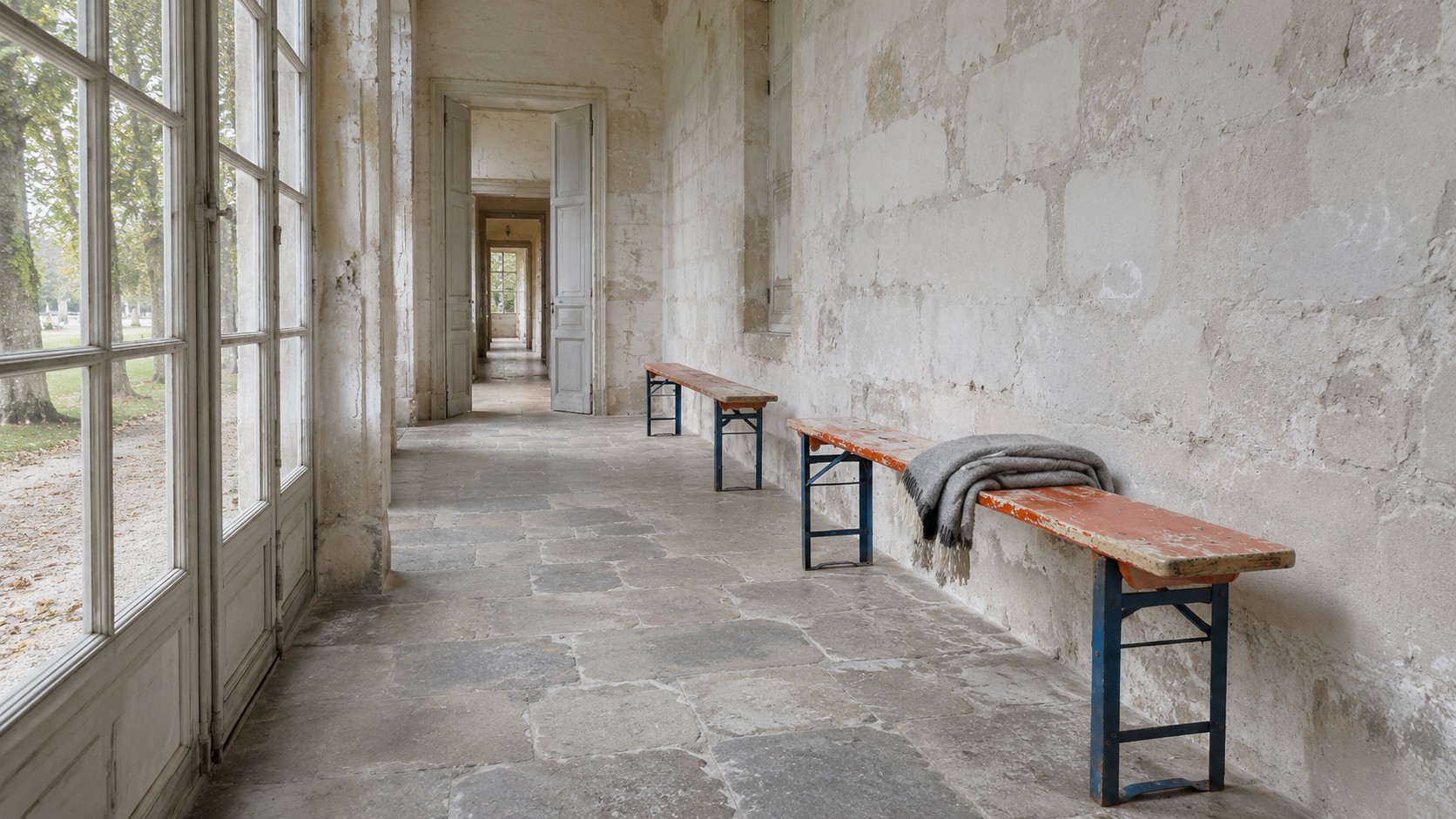
In this photo: Industrial vintage folding benches, old orange (€ 30)
INDUSTRIAL
honest materials, clever shapes and a rough edge
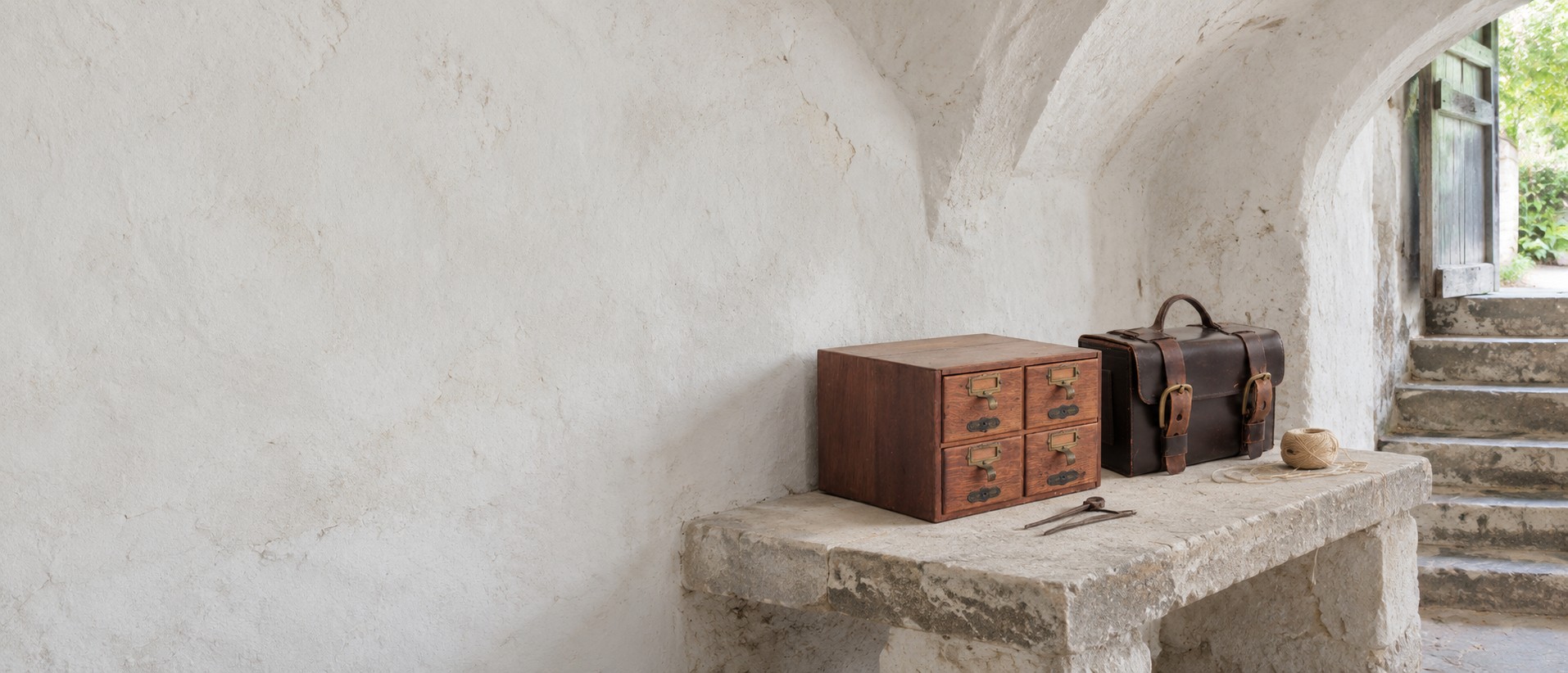
In this photo: French oak card index cabinet with four drawers – circa 1910 (€ 275) · Industrial harness leather tool case with brass buckles – 1930s (€ 145)
Industrial: honest materials, clever shapes and a rough edge
Some furniture was never meant to be beautiful. A bench for a festival tent. A chair for a classroom. A small cabinet for the card index of a Paris office. It had to be strong, stackable, cheap to make and last for years.
And that is exactly the furniture you now find in the most beautiful homes.
That is the heart of industrial living: you take something from the factory, the workshop or the school and give it a place at home. Not polished up, not reproduced, but as it is. With the scratches, the worn paint and the logic of a thing that was made to work.
What is industrial living?
Industrial living did not start with a designer, but with a shortage of space. In the 1960s and 1970s artists in New York moved into empty factories and warehouses. They left the steel columns, the pipes and the bare floors as they were and found their furniture on the street and in workshops that had closed down.
What began as necessity became a style. Steel, iron, wood, glass, concrete and leather. Visible welds and rivets. Furniture that shows how it is put together.
You recognise it by its honesty. A folding table is a top on a cross frame and does not pretend to be anything else. A school chair is a shell on four legs. Nothing is decorated, and yet everything is right.
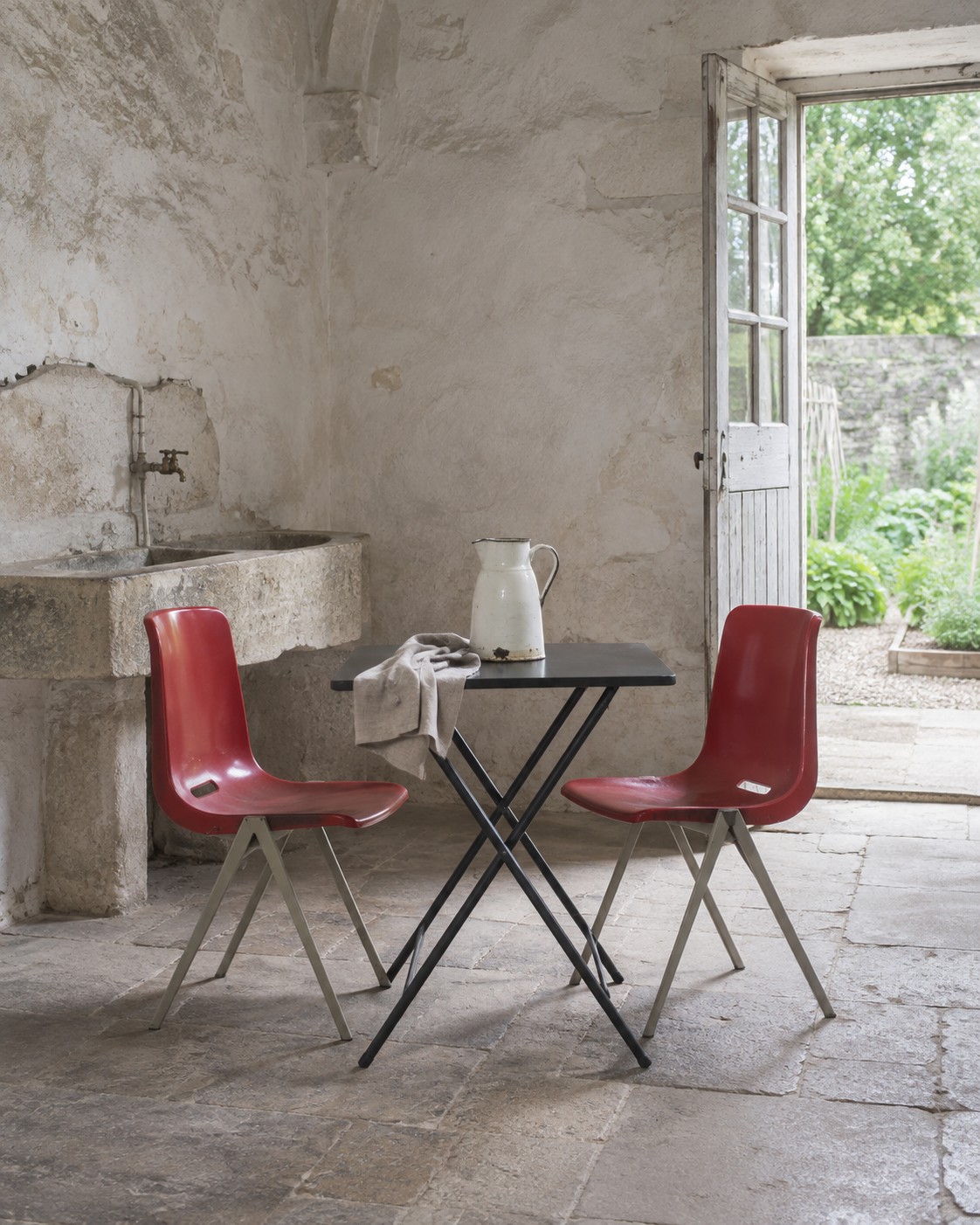
In this photo: Industrial metal folding tables, terrace tables, bistro tables (€ 75 excl. VAT) · XL batch of industrial vintage Thur-op-Seat Prouvé S22 Galvanitas school chairs, red (€ 90 per stoel)
Why is industrial still so popular?
Because it offers a counterweight. Many interiors are soft, smooth and new. One piece with a past takes the tameness away. An orange festival bench with blue folding legs in a light corridor says more than ten new cushions.
Because it is strong. This furniture was made for canteens, schools and workshops. It can cope with children, dogs, wet glasses and house moves. You do not have to be careful with it, and that makes for easy living.
And because it is sustainable without any effort on your part. A chair that has already lasted sixty years will last another sixty.
The strength of steel, wood and wear
The best industrial designs are clever. The 40/4 chair by David Rowland from 1964 owes its name to a sum: forty chairs stacked on top of each other form a pile four feet high, just over 1.20 metres. The frame is thin steel rod, the seat pressed sheet steel. That is all there is, and nothing more is needed.
The same goes for the school chairs by Galvanitas from Oosterhout, with their slanted compass legs. They were designed to stand in rows, to stack and to take a knock. That they also look good is almost incidental.
Wear is part of it. Paint worn away at the edges, a wooden seat smooth from use, a top with rings. That is not damage but proof that something has worked.
In this photo: Industrial vintage David Rowland 40/4 chairs, batch (€ 65 each)
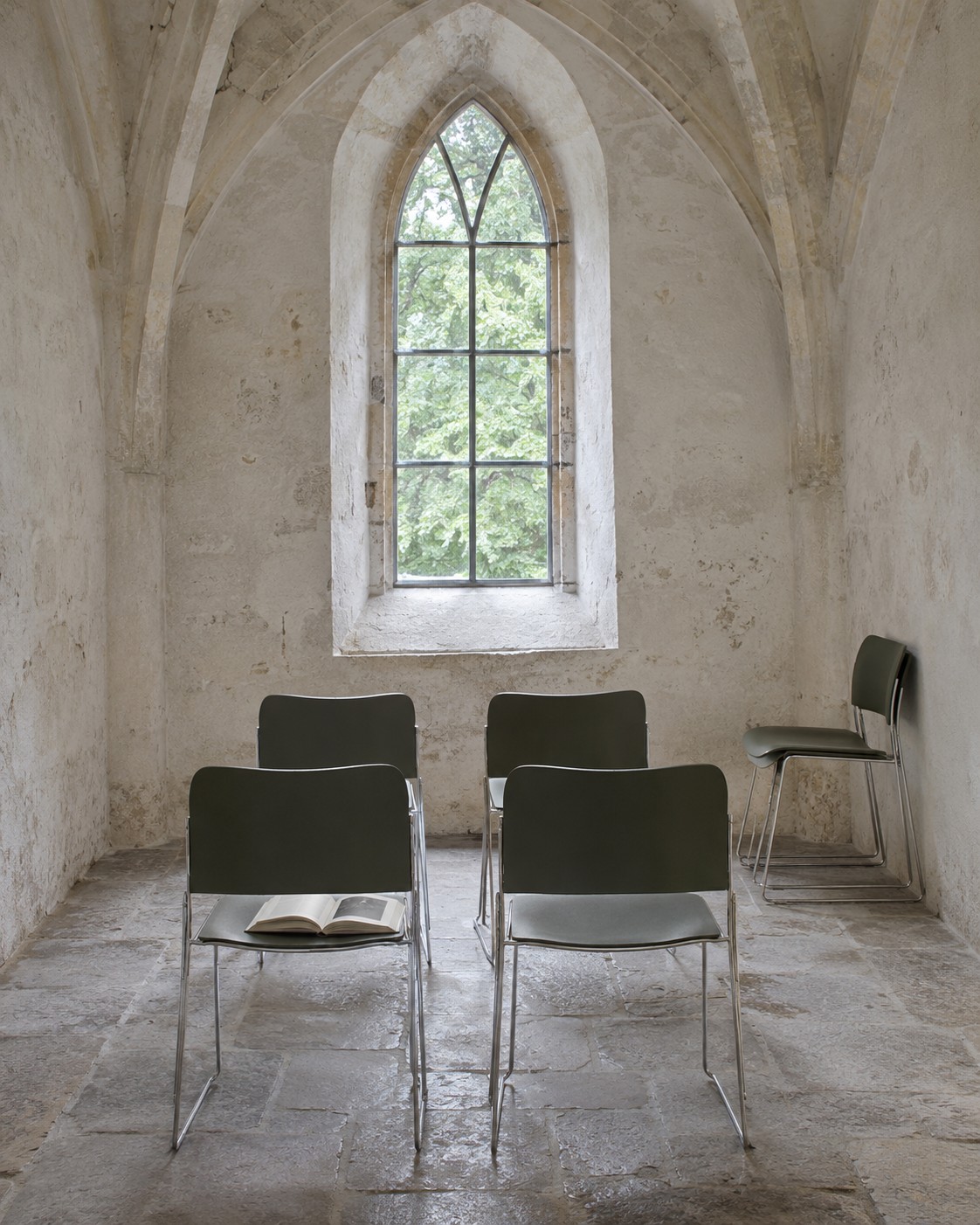
How do you combine industrial without it becoming a factory hall?
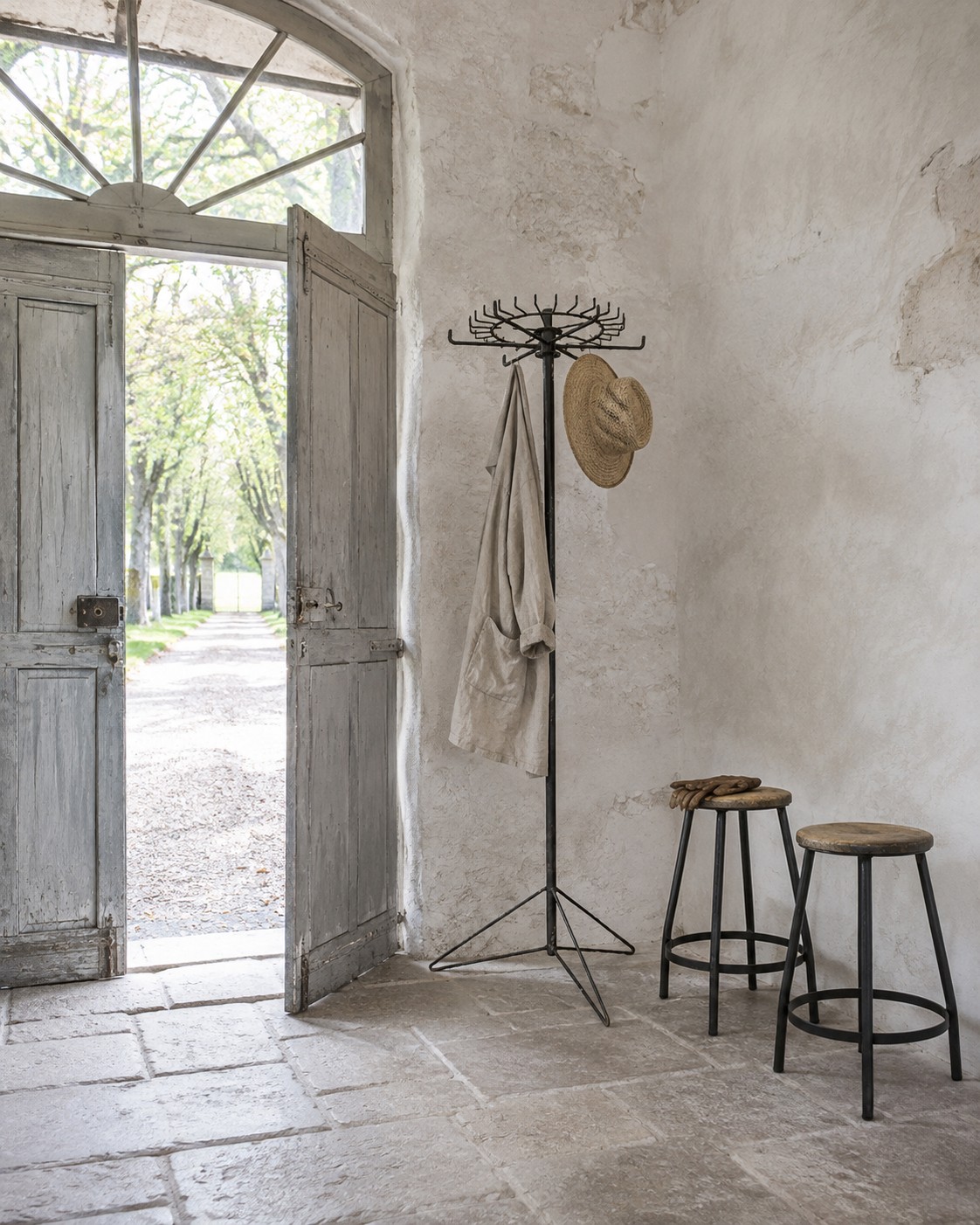
The biggest misunderstanding is that industrial has to be dark. Black walls, brick wallpaper, copper pipes as decoration. That soon turns into a café interior.
It works much better the other way round: a light, calm room with a few pieces that come from an entirely different world. A metal coat stand with a revolving crown next to an old front door. Two workshop stools against a limewashed wall. The steel stands out sharply against the white, and the room stays light.
Keep it to a few pieces per room. Combine metal with something soft: linen, wool, an old wooden table, a plant. And choose one truly old piece rather than five new pieces of furniture in factory style.
In this photo: Sculptural vintage metal coat stand with rotating crown (€ 195) · Hospitality/event stools 52 cm – highly stackable – metal frame + wooden seat (€ 25 each)
What should you look for when buying industrial?
First check whether it is genuine. An old work piece has weight, thick layers of paint and traces of use in logical places: the front edge of a seat, the handle of a drawer, the foot of a stool. New furniture in industrial style is often too light and evenly distressed all over.
Check that it stands firmly. Welds, hinges and folding mechanisms must be intact. Surface rust is not a problem, metal that has rusted through is.
With lamps, always have old wiring checked by an electrician before you connect the lamp. A desk lamp from the 1950s is a wonderful thing on a work table, but the cord is as old as the lamp.
And think about size. A card index cabinet 38 centimetres wide is a table-top piece, not a cupboard. A festival bench of more than two metres needs a long wall.
In this photo: Vintage design desk lamp / table lamp, black, Bauhaus style (€ 145) · French oak card index cabinet with four drawers – circa 1910 (€ 275) · Hospitality/event stools 52 cm – highly stackable – metal frame + wooden seat (€ 25 each)
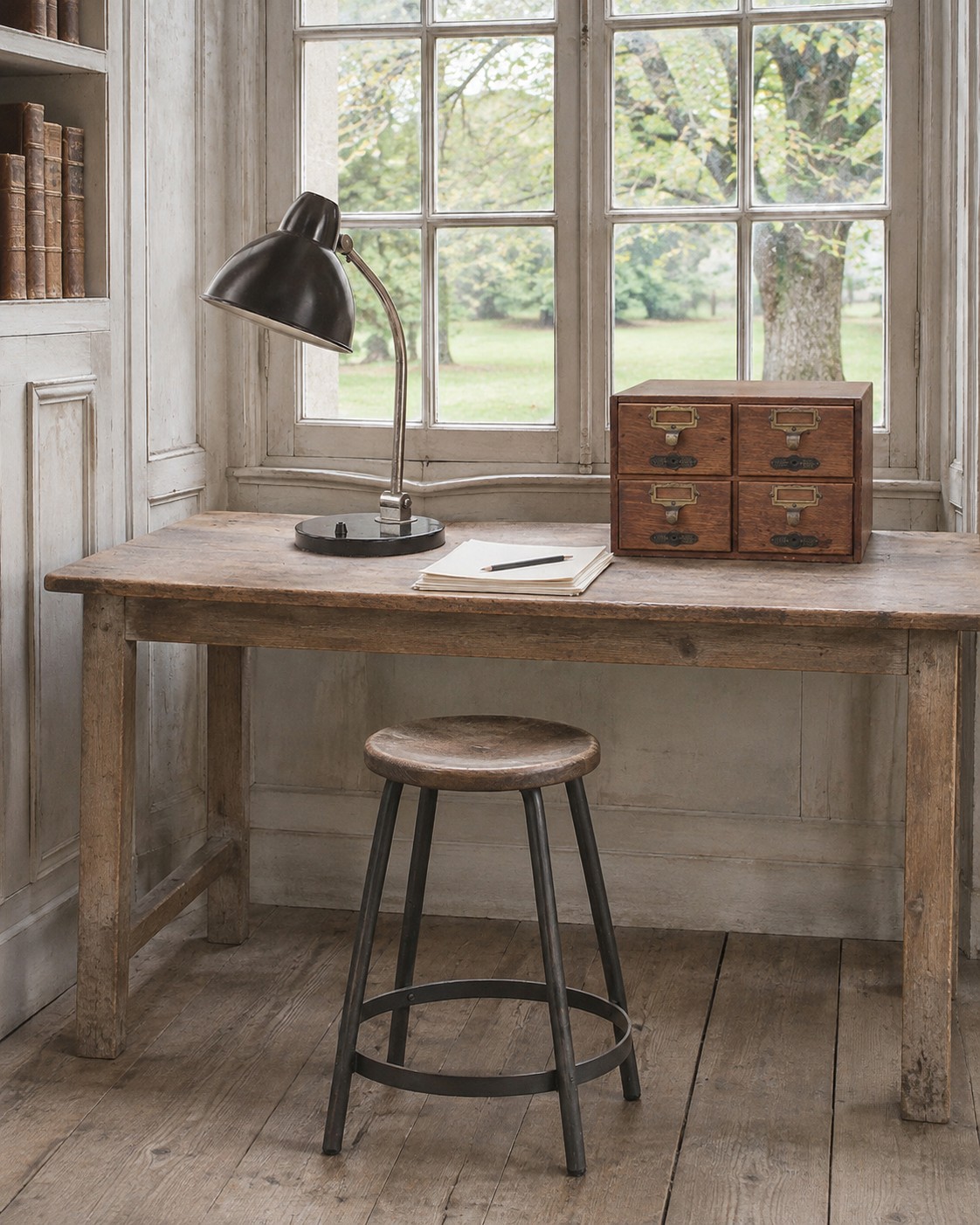
Industrial in a light, calm interior
At De Huiszwaluw we like to place industrial pieces in surroundings that seem to have nothing to do with them. An old kitchen with a stone sink, a gallery with tall windows, a limewashed cellar.
Something happens there. The old house becomes less solemn and the factory piece becomes more beautiful than it ever was in the factory. Red school chairs at a black folding table turn a bare kitchen into a place where you want to have breakfast. A harness leather tool case on a stone shelf almost becomes a still life.
Colour helps. Industrial is not only black and grey: army green, faded orange, red and blue come straight from the factory and look wonderful against limewash white.
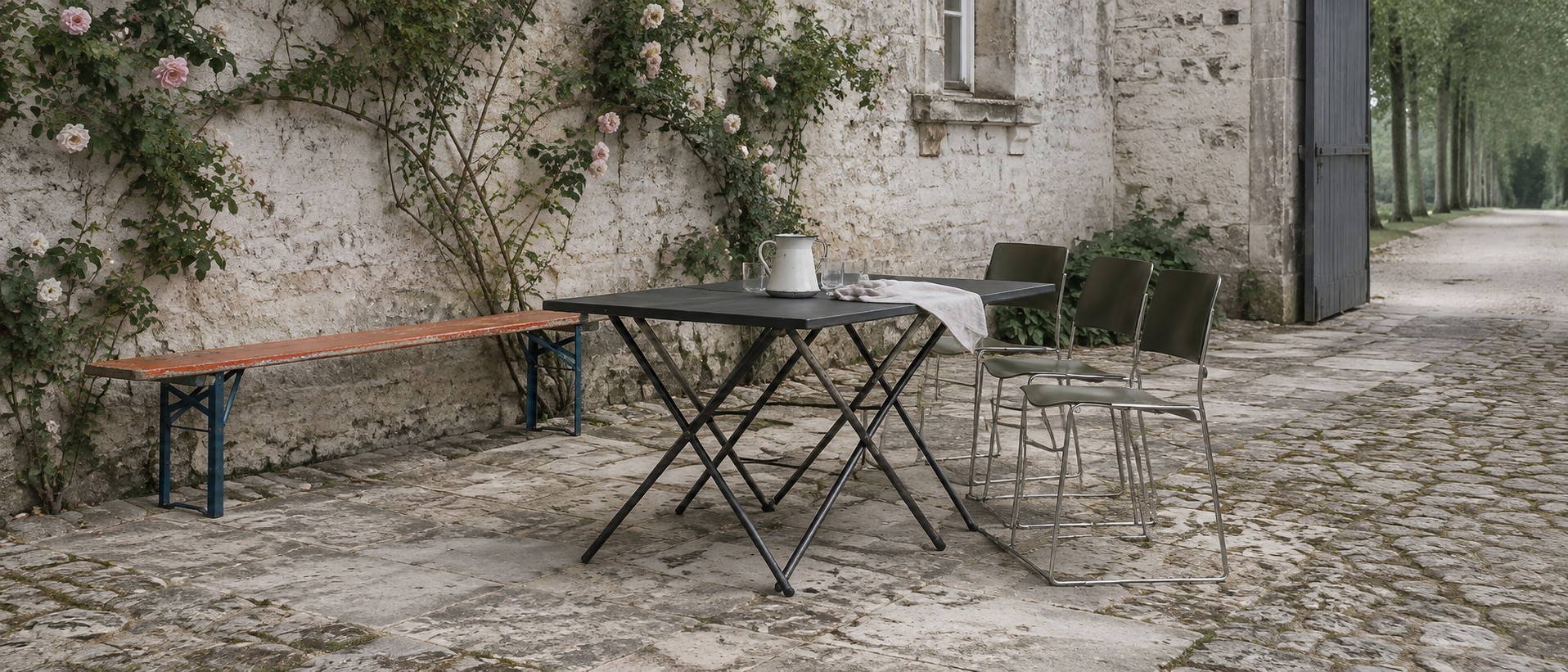
In this photo: Industrial metal folding tables, terrace tables, bistro tables (€ 75 excl. VAT) · Industrial vintage folding benches, old orange (€ 30) · Industrial vintage David Rowland 40/4 chairs, batch (€ 65 each)
How would De Huiszwaluw use industrial?
We would start with seating. A row of stacking chairs around a long table, a folding bench in the hallway, a few stools that can be pulled up anywhere. Industrial chairs and benches often come in numbers, and it is precisely that repetition that brings calm.
Then one or two small things with character: a card index cabinet on the desk, a tool case for the post, a black desk lamp.
And otherwise: keep it light, leave space, and do not restore what is not broken.
That way it becomes neither a factory hall nor a café, but a home with furniture that already has a working life behind it and is far from finished.
Now in our collection: industrial
 Industrial harness leather tool case with brass buckles – 1930s€ 145
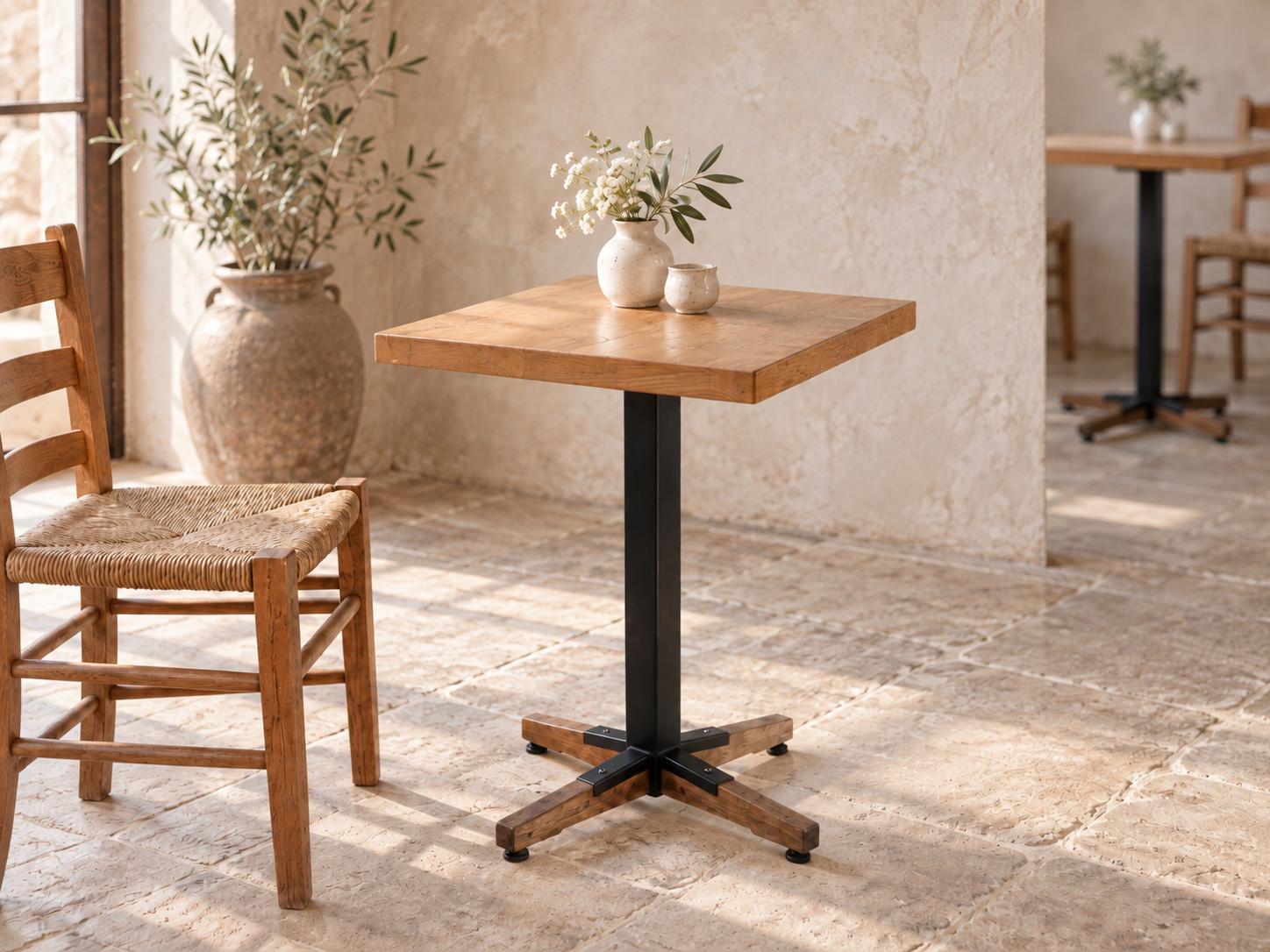 4 vintage oak café tables / bistro tables – wood & black metal€ 75 each
 Vintage Soudeurop kitchen chair – chrome and black€ 20
 Custom-made vintage chair with denim upholstery€ 35
 Set of two Dutch Gispen 1231 chairs – A.R. Cordemeyer, circa 1960now only € 75 voor de set van twee stoelen
 Sculptural vintage metal coat stand with rotating crown€ 195
 Long metal bench with tubular seat€ 85
 French oak card index cabinet with four drawers – circa 1910€ 275
 Hospitality/event stools 52 cm – highly stackable – metal frame + wooden seat€ 25 each
 XL batch of industrial vintage Thur-op-Seat Prouvé S22 Galvanitas school chairs, red€ 90 per stoel
 Industrial vintage large army tables, folding tables in army green – dining table or home office table
 Vintage design desk lamp / table lamp, black, Bauhaus style€ 145
 Industrial metal folding tables, terrace tables, bistro tables€ 75 excl. VAT
 Solid wenge heavy Brutalist solid wood coffee table, vintage industrial€ 1.395
 All kinds of industrial vintage black school chairs
 Retro vintage school chairs, all kinds mixed, from € 15 eachfrom € 15 each
 Industrial vintage folding benches, old orange€ 30
 Industrial vintage David Rowland 40/4 chairs, batch€ 65 each
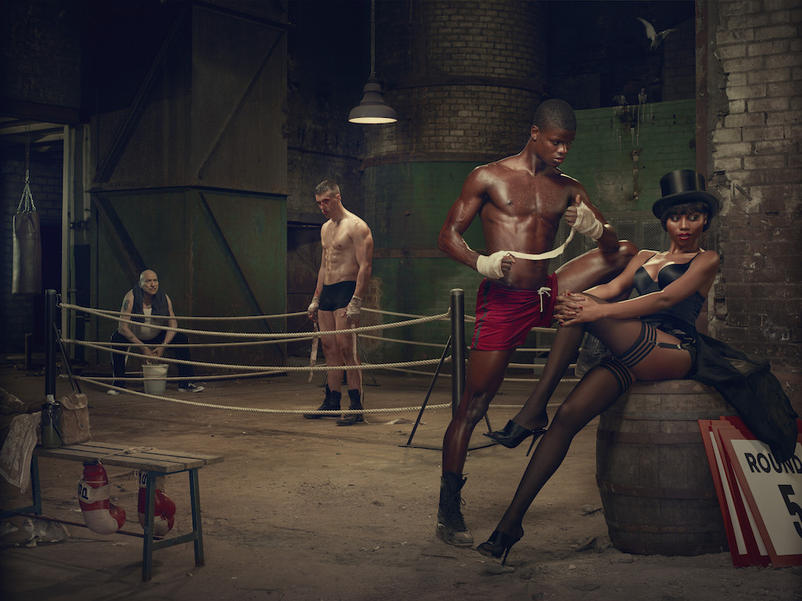 Our Erwin Olaf bench – industrial XXL slatted bench from the 1950s
 Industrial vintage anatomy: animal legs, skeleton and nails
 Industrial vintage Facet dining table by Friso Kramer€ 695, afhankelijk van afmeting en conditie
Previously in our collection
 Old French wine or cider press screw on basesold
 Raw beauty and timeless design – Gispen industrial tablesold
 Stunning vintage workbench, kitchen island or similarsold
Read on about other styles
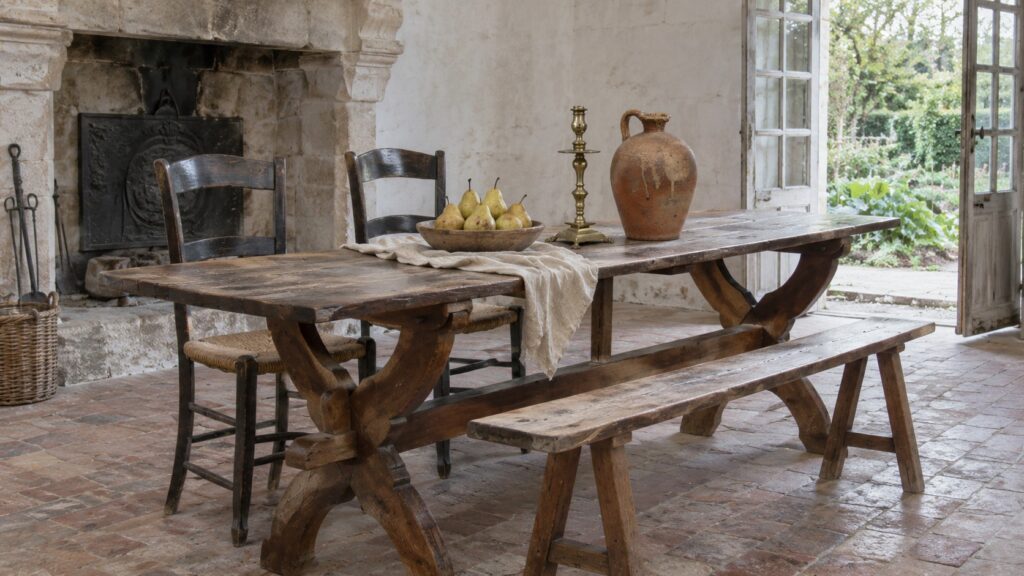 French countryFrench country living: wood, stone and the calm of country life
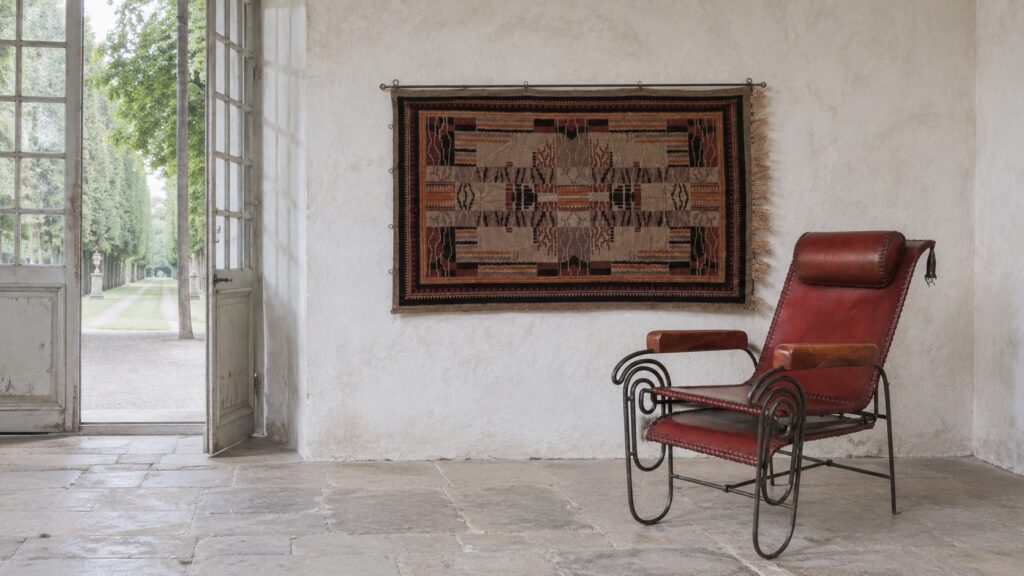 Art decoArt deco: clean lines, warm materials and a touch of daring
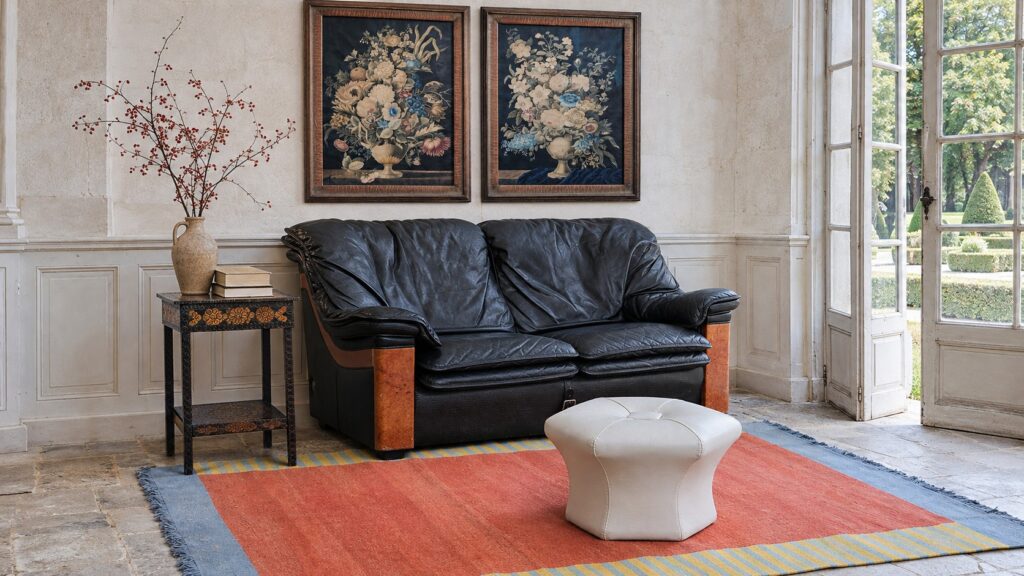 EclecticEclectic living: the art of mixing styles without chaos
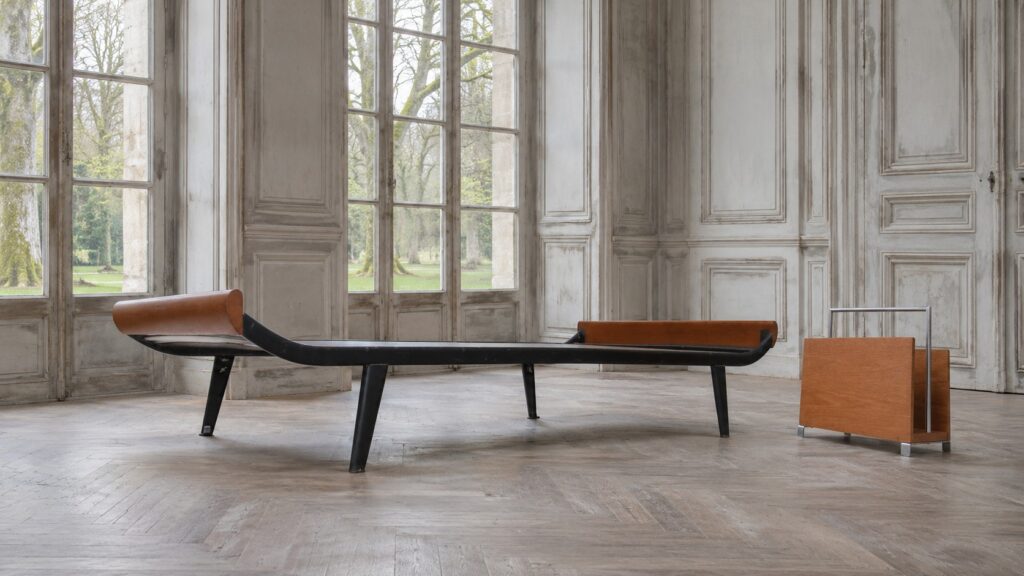 Mid-centuryMid-century design: timeless, warm and still modern
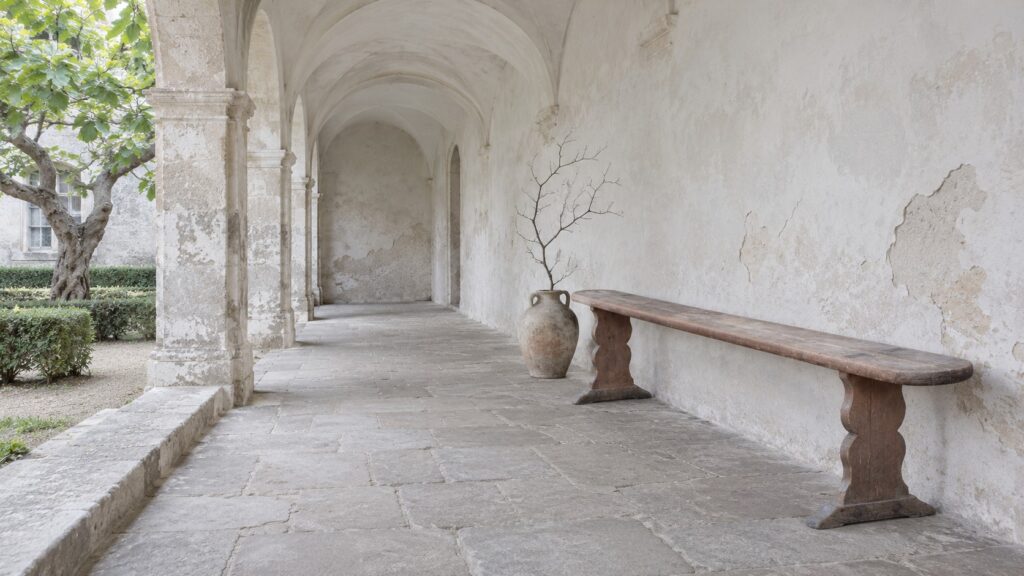 Wabi-sabiWhat is wabi-sabi living, and why does imperfection make an interior more beautiful?