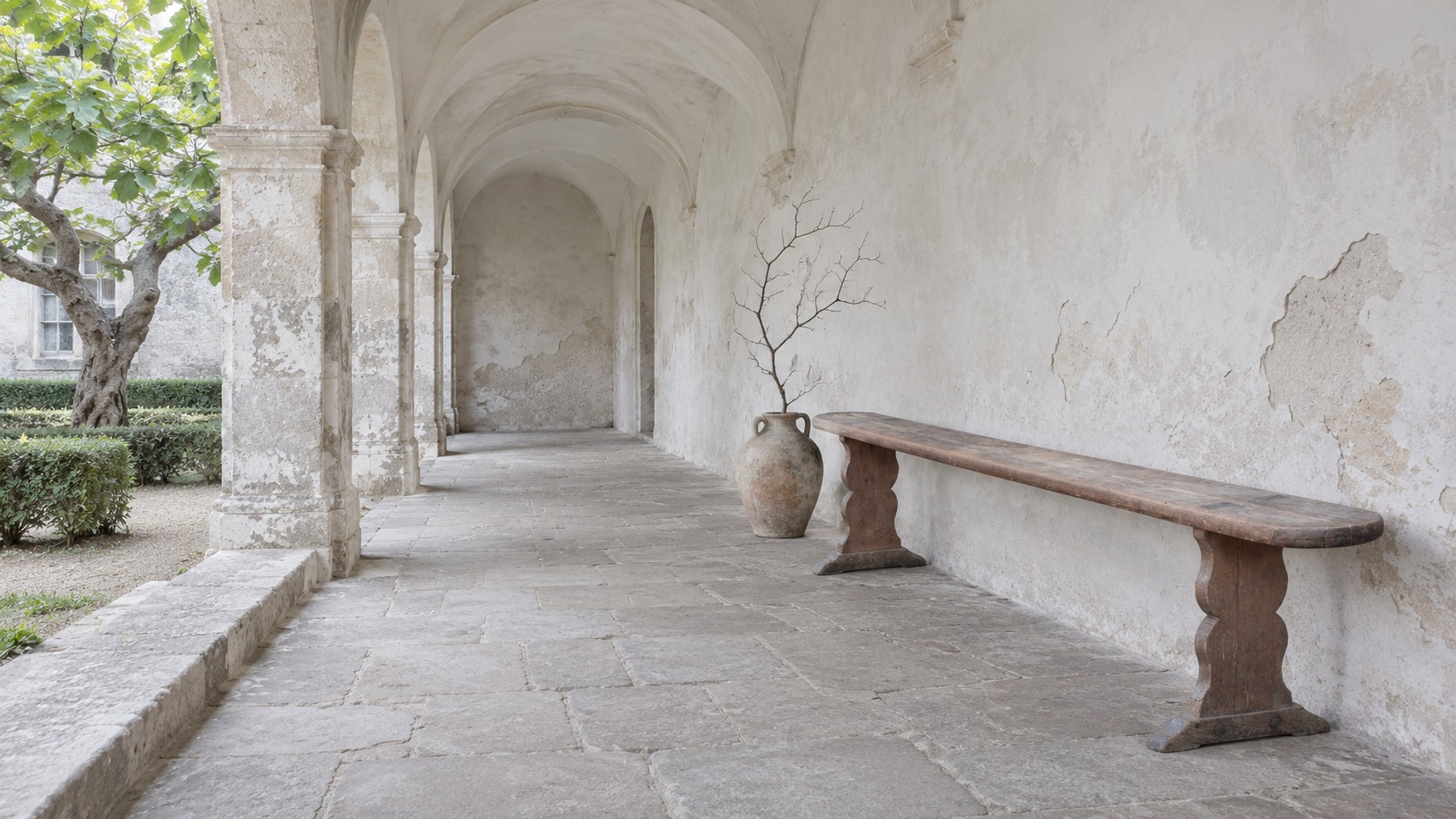
Art deco: clean lines, warm materials and a touch of daring
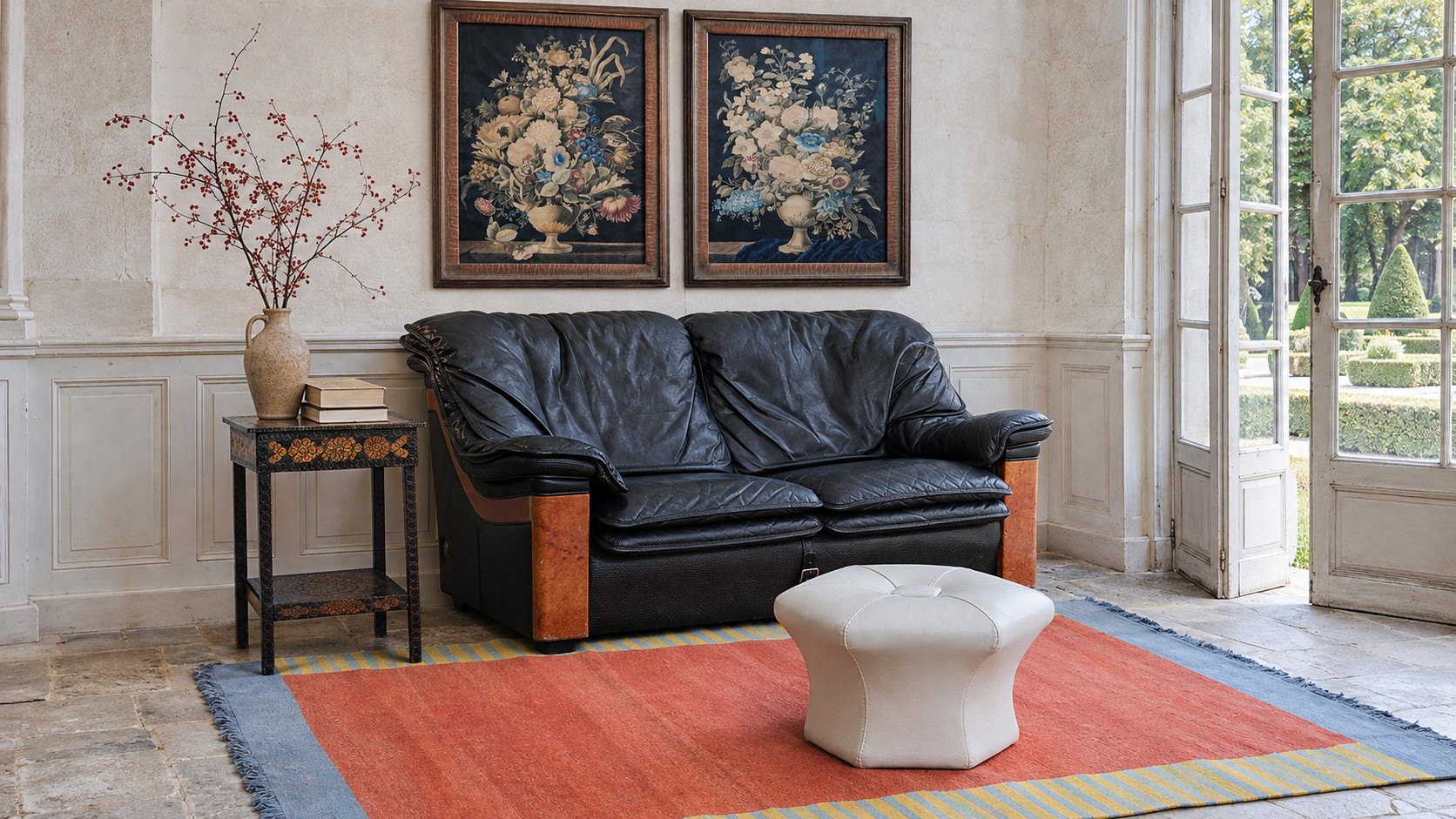
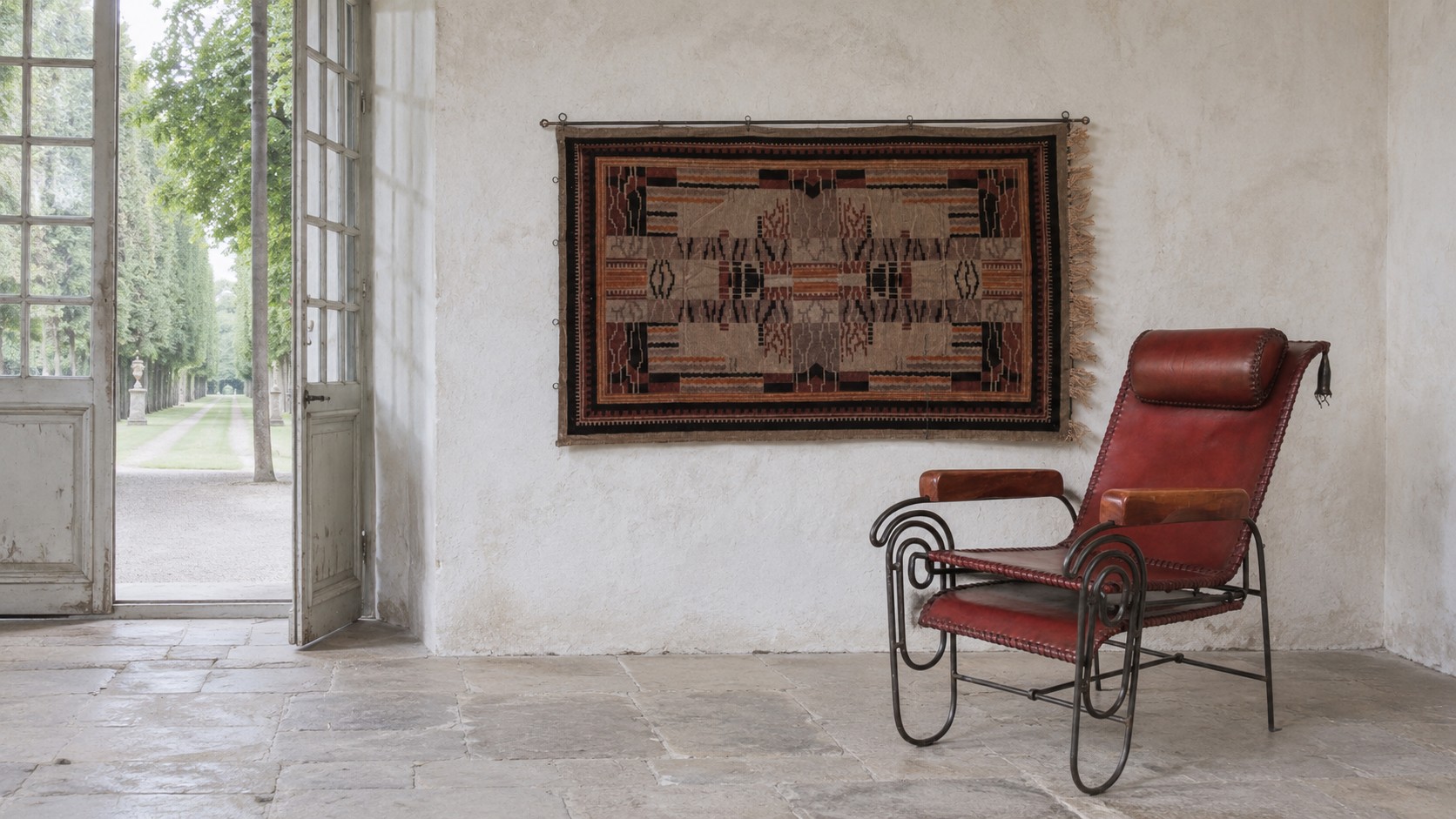
In this photo: French Art Deco lounge chair in wrought iron and leather with extendable footrest (€ 1.295) · Art Deco velour rug with fringes – 1930s, 142 x 91 cm (€ 145)
ART DECO
clean lines, warm materials and a touch of daring
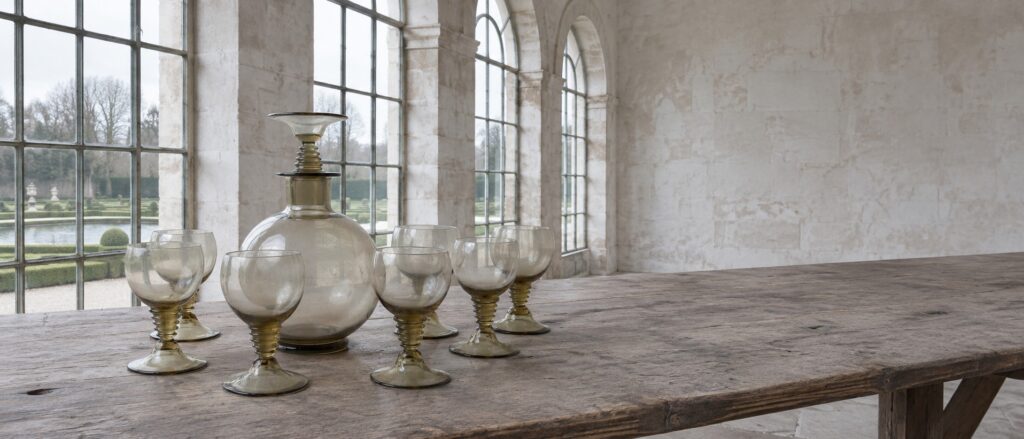
In this photo: Art Deco Traditie decanter with 7 glasses by W.J. Rozendaal – Kristalunie, 1932–1933 (€ 195)
Art deco: clean lines, warm materials and a touch of daring
Some styles whisper; others walk into a room. Art deco belongs to the second kind. A chair with a scrolled wrought-iron armrest, a mirror with stepped panels, a lamp of pressed glass: you see at once that someone dared to make something here.
Yet art deco is not a loud style. The shapes are clear and ordered, the materials honest and well chosen. That is exactly why an art deco piece sits so surprisingly well in a calm, light home of today.
We love art deco because it combines craftsmanship with pleasure. It is luxury you are allowed to touch and use, and it grows more beautiful the longer it lasts.
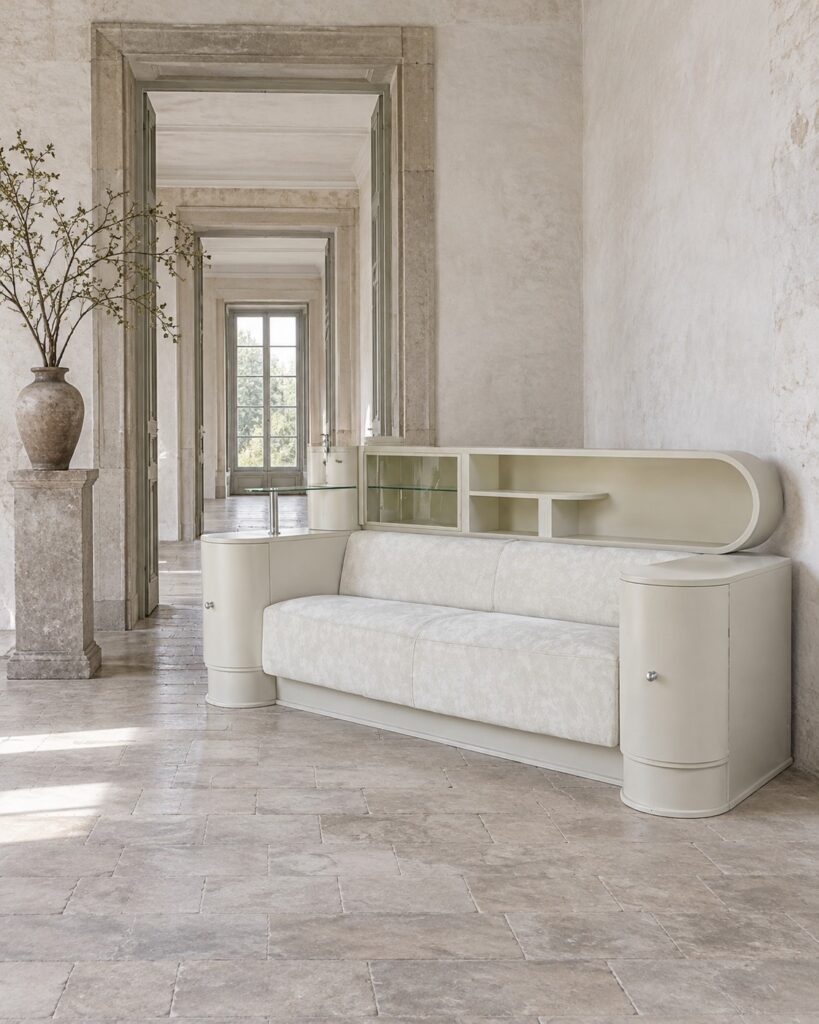
In this photo: Timeless Elegance: Art Deco Sofa from 1920s France, Recently Upholstered in Ivory (€ 1.595)
What is art deco?
Art deco is the style of the 1920s and 1930s. The name comes from the great Paris exhibition of 1925, the Exposition internationale des arts décoratifs et industriels modernes, where cabinetmakers, glassmakers and smiths showed what modern life could look like.
You recognise the style by its geometric shapes: steps, fans, sunbursts, circles and zigzag lines. Flowers and animals appear too, but stylised and taut, no longer winding as in the art nouveau that came before. The materials are rich and often new for the period: burr walnut and macassar, wrought iron, chrome, bakelite, cut and pressed glass, leather and velvet.
France set the tone, with makers such as Ruhlmann, Lalique and Degué. But beautiful work was made in the Netherlands as well: think of the glass of the Kristalunie in Maastricht and the related design language of the Amsterdam School.
Why is art deco so loved again?
After years of light, sleek and sometimes rather anonymous interiors, the desire for furniture with a face is growing. Art deco gives exactly that: a single piece can give a whole room character, without you having to change the rest.
On top of that, art deco is well made.
Solid wood, thick veneer, forged iron, heavy glass: it was built to last for generations. Something that is a hundred years old and still stands firm no longer has anything to prove. That also makes an art deco piece a sustainable choice.
And perhaps most important of all: art deco is optimistic. It was designed in a time that wanted to move forward, and you can still feel that.
In this photo: Rowley Gallery Art Deco mirror with gilt relief of a girl – London, c. 1925–1935 (€ 725) · Art Deco porcelain sculpture of two flying birds – iridescent, 1920s (€ 195)
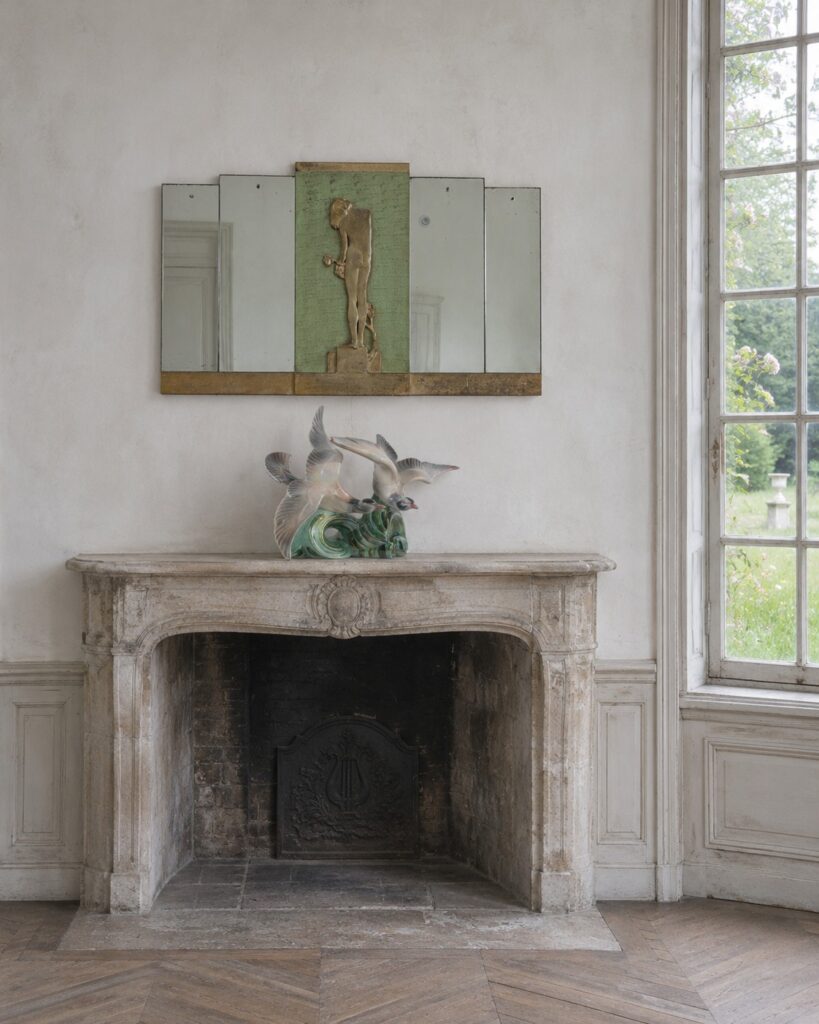
The power of shape and material
Art deco is about two things: a clear shape and a material that speaks for itself. There is ornament, but it follows the shape and never gets in the way.
Look at a pendant lamp of pressed glass.
The bowl is simply round, but in the matt glass there are flowers in relief that break and soften the light. By day it is a sculpture on the ceiling; in the evening it gives a soft, even light that no modern lamp quite matches.
The same goes for wrought ironwork. An armrest that ends in a scroll is construction and ornament in one. You see the hand of the smith, and it is precisely that small irregularity that brings the piece to life.
In this photo: Art Deco pendant lamp by Degué – pressed glass with flowers and brass, 1920s–30s (€ 395)
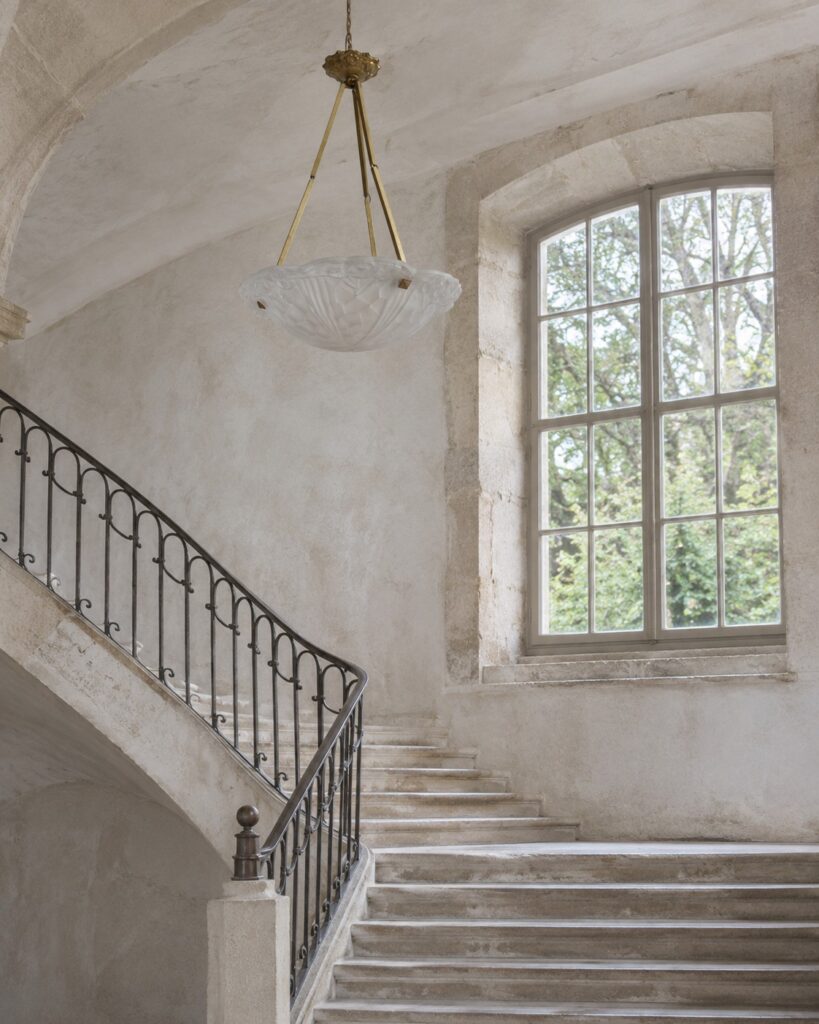
How do you combine art deco without creating a film set?
The biggest pitfall is wanting too much. A room full of art deco, with gleaming wood, gold and mirrors from floor to ceiling, soon becomes a stage set. Lovely to look at, less pleasant to live in.
Choose one or two.
Place an art deco armchair in a light room with a stone or wooden floor, limewashed walls and linen curtains. The calm of the space lets the shape of the piece speak, and the piece gives the space its tension. That works far better than a collection of pieces fighting for attention.
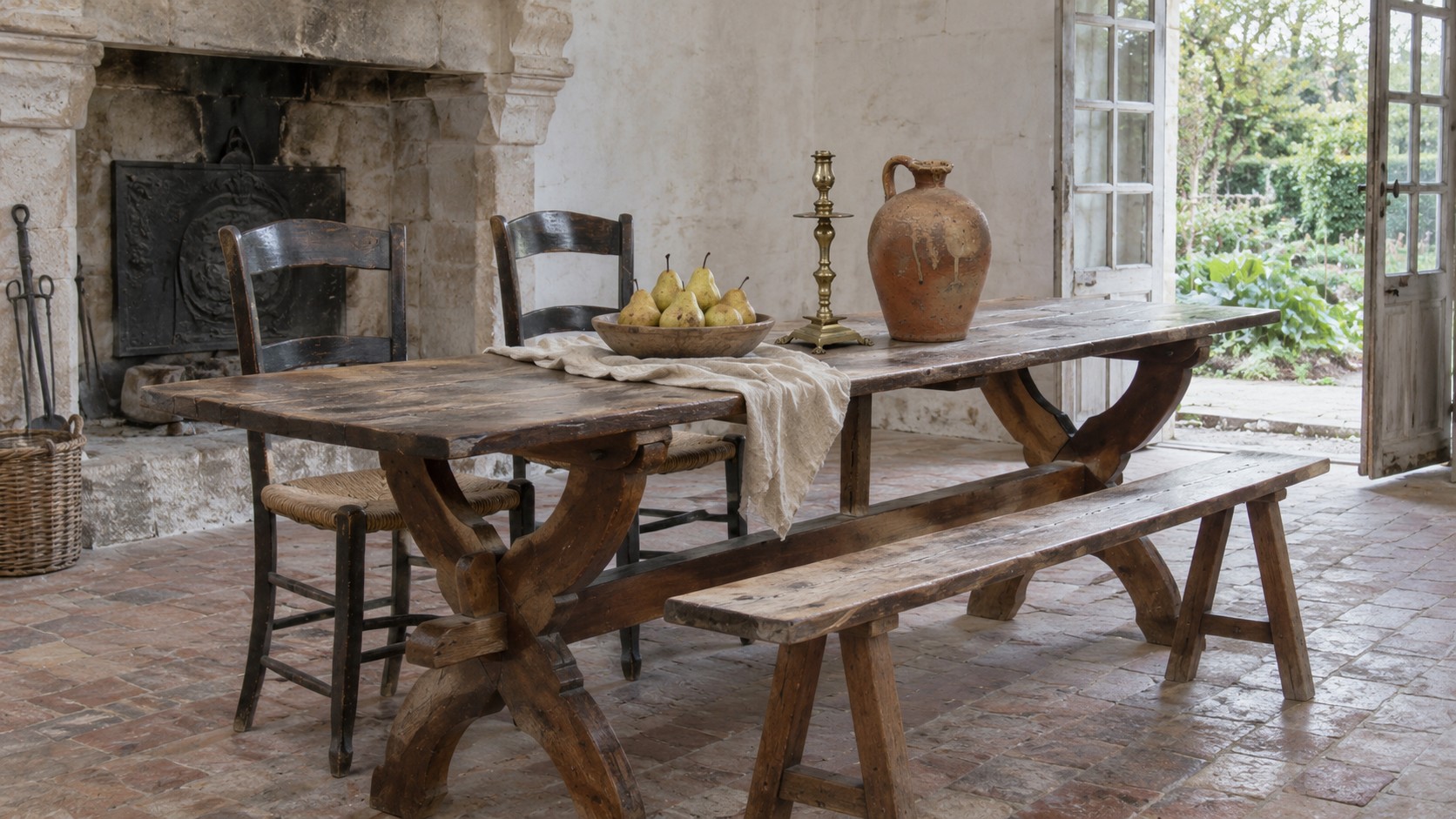
Feel free to combine with other periods. Art deco looks wonderful next to an old French farmhouse table, an abstract painting or a simple mid-century chair.
Mind the balance between shine and matt. If the piece has polished wood or chrome, keep its surroundings matt and timeworn: limewash, stone, linen, wool. That way it stays warm and never turns cold or showy.
What to look for when buying art deco
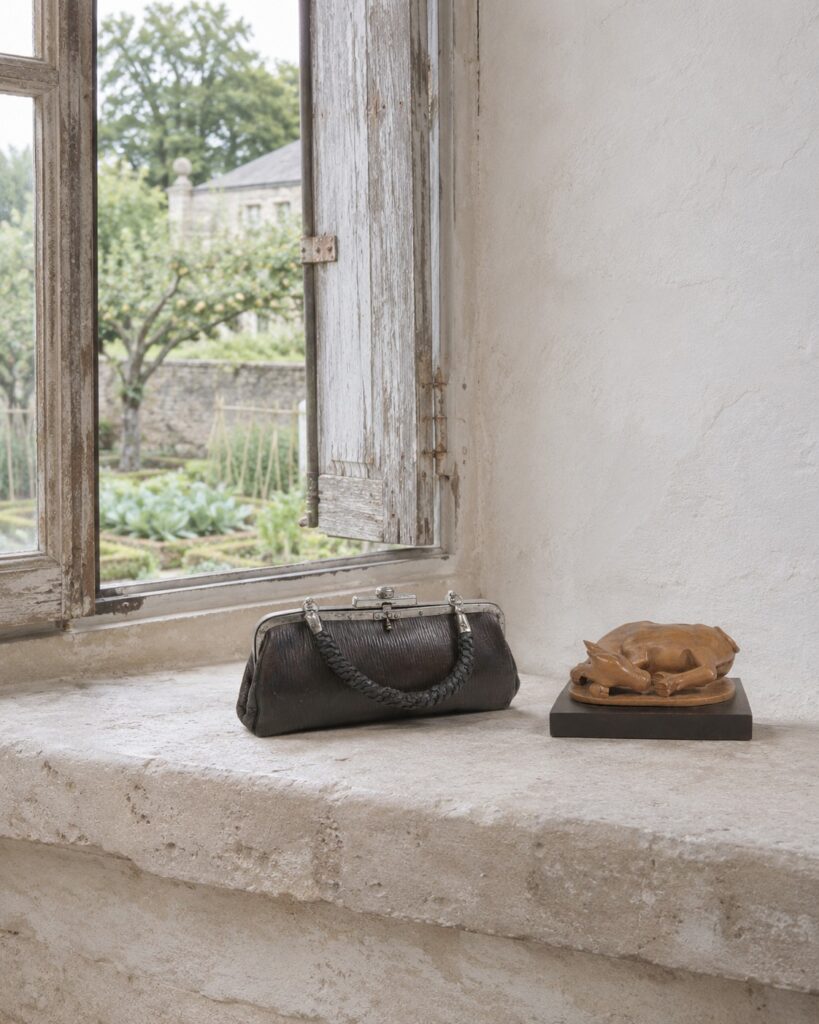
Look at the construction first. Does it stand firm, do doors and drawers close well, are the joints original? With veneer you can expect small repairs, but large areas coming loose are costly to restore.
Then look at the finish. An old French-polished surface with some signs of use is usually more beautiful than a piece that has been sanded bare and resprayed. Patina is not a flaw but part of the value. The same applies to leather, wrought iron and silver plating.
In this photo: Small Art Deco evening bag in black ribbed leather – circa 1920 (€ 145) · Balinese Art Deco wood carving of a sleeping fawn with original sales label – Pita Maha period, 1930s
With glass and lighting, check for chips along the rims and check the suspension. Always have the wiring of old lamps inspected by an electrician before you connect them.
And finally: buy what moves you. A simple, honest piece from the period is worth more than a later copy imitating the style. Small objects such as an evening bag, a decanter or a figurine are a lovely way to begin.
Art deco in a light, calm interior
Art deco is often shown in dark, glossy rooms. We prefer to see it differently.
In a light space with limewashed walls and an old stone floor, the line of an art deco piece comes out far better. The dark wood, the red leather or the ivory white of a sofa gets room to breathe, and the daylight shows every detail.
Think of tall windows and vistas.
A sofa in a gallery, a chair by open French doors, a mirror above a plain stone mantelpiece: art deco likes space around it. Give a piece a place of its own and feel free to leave the wall behind it empty.
That way it becomes neither a museum room nor a film set, but a home in which you walk past something beautiful every day.
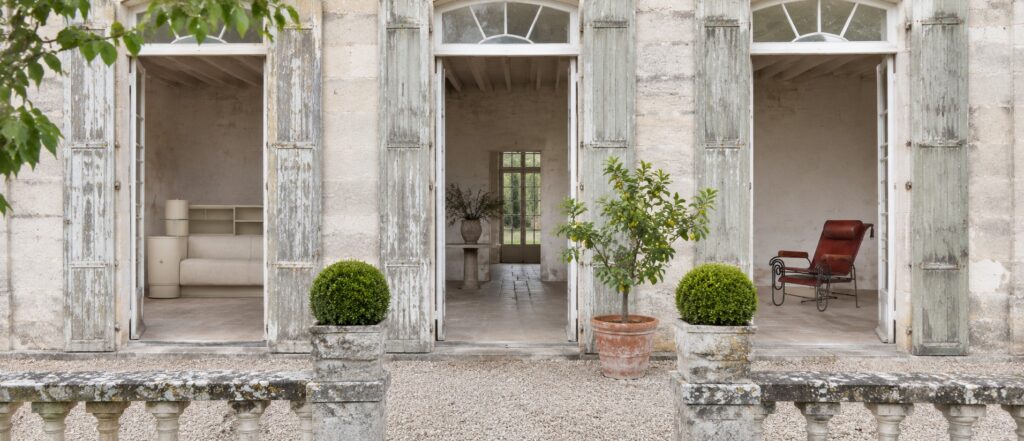
In this photo: Timeless Elegance: Art Deco Sofa from 1920s France, Recently Upholstered in Ivory (€ 1.595) · French Art Deco lounge chair in wrought iron and leather with extendable footrest (€ 1.295)
How would De Huiszwaluw use art deco?
We would start with one piece you have fallen in love with. A French lounge chair of wrought iron and leather, an ivory-white sofa from the 1920s or a mirror with a gilded relief.
Around it we keep things quiet: an old rug with a geometric pattern, a branch in a vase, a pendant lamp of pressed glass. No matching sets and no showroom, just a few good things that strengthen one another.
Small art deco objects do a great deal here: a decanter with glasses, a porcelain sculpture, a wood carving on a windowsill.
That keeps art deco what it was meant to be: craftsmanship with pleasure, made to live with.
In our collection you will regularly find art deco furniture, lighting and objects.
Now in our collection: art deco
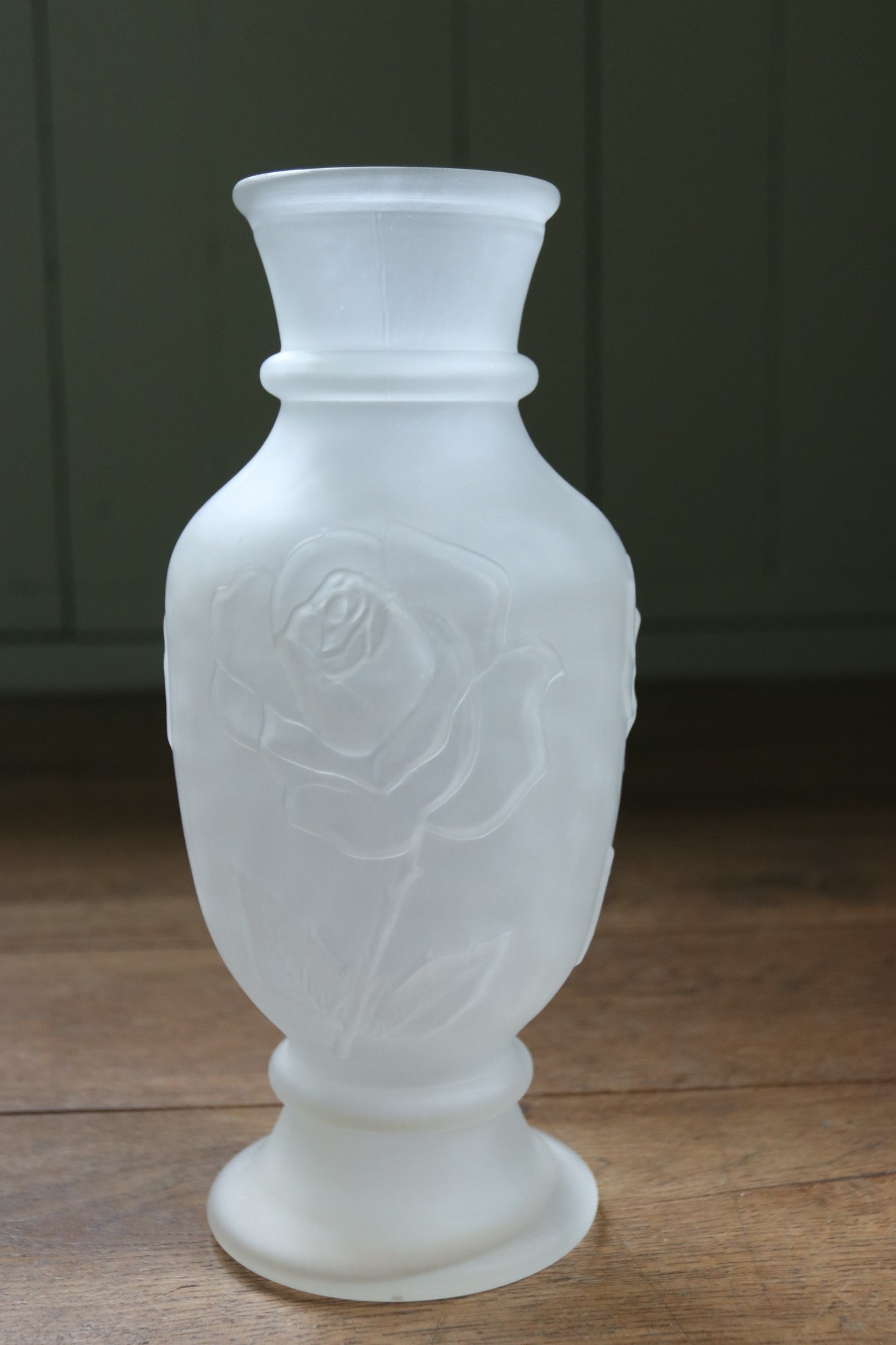 Frosted pressed glass vase with relief roses – Art Deco style, c. 1930–1960€ 65
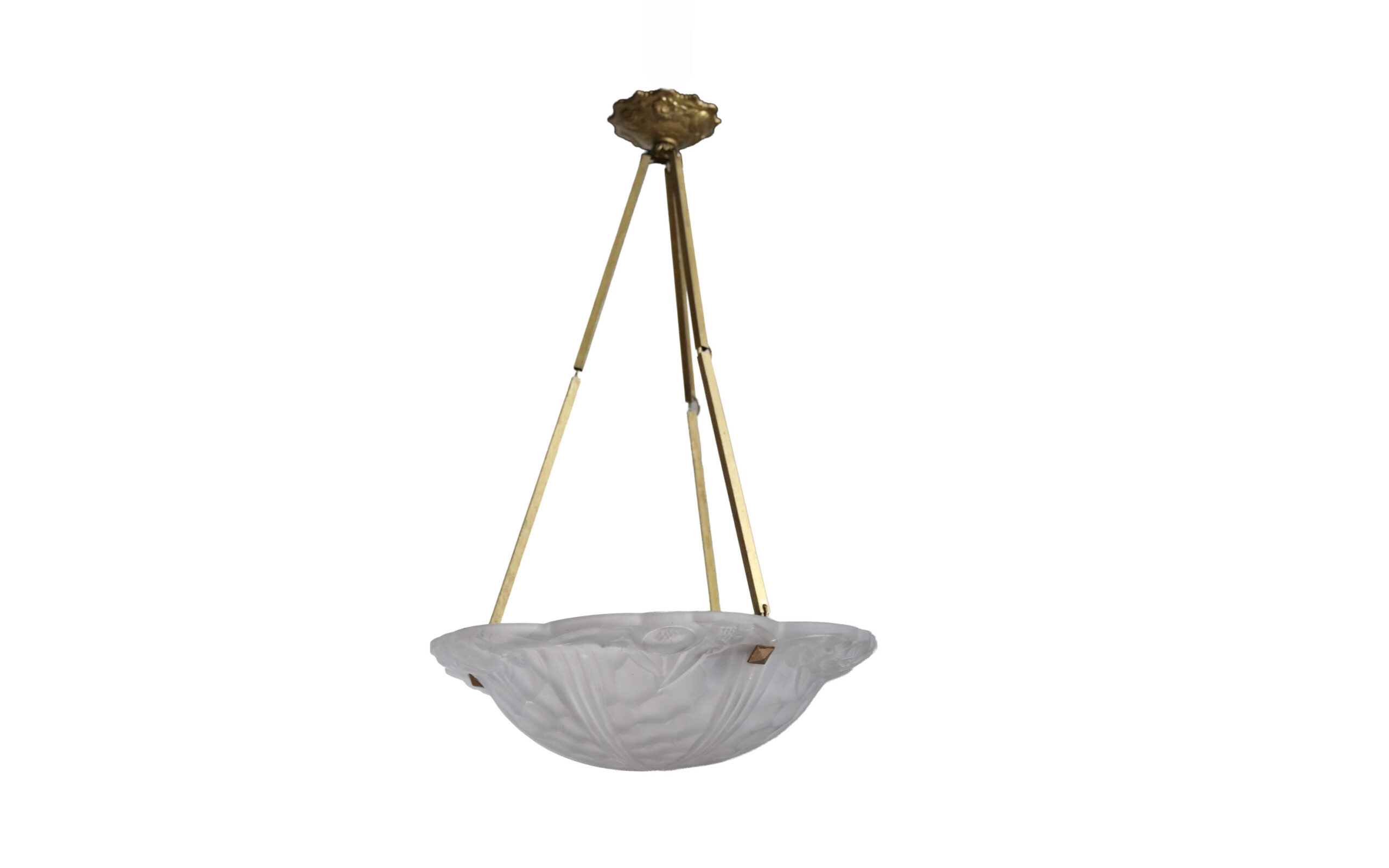 Art Deco pendant lamp by Degué – pressed glass with flowers and brass, 1920s–30s€ 395
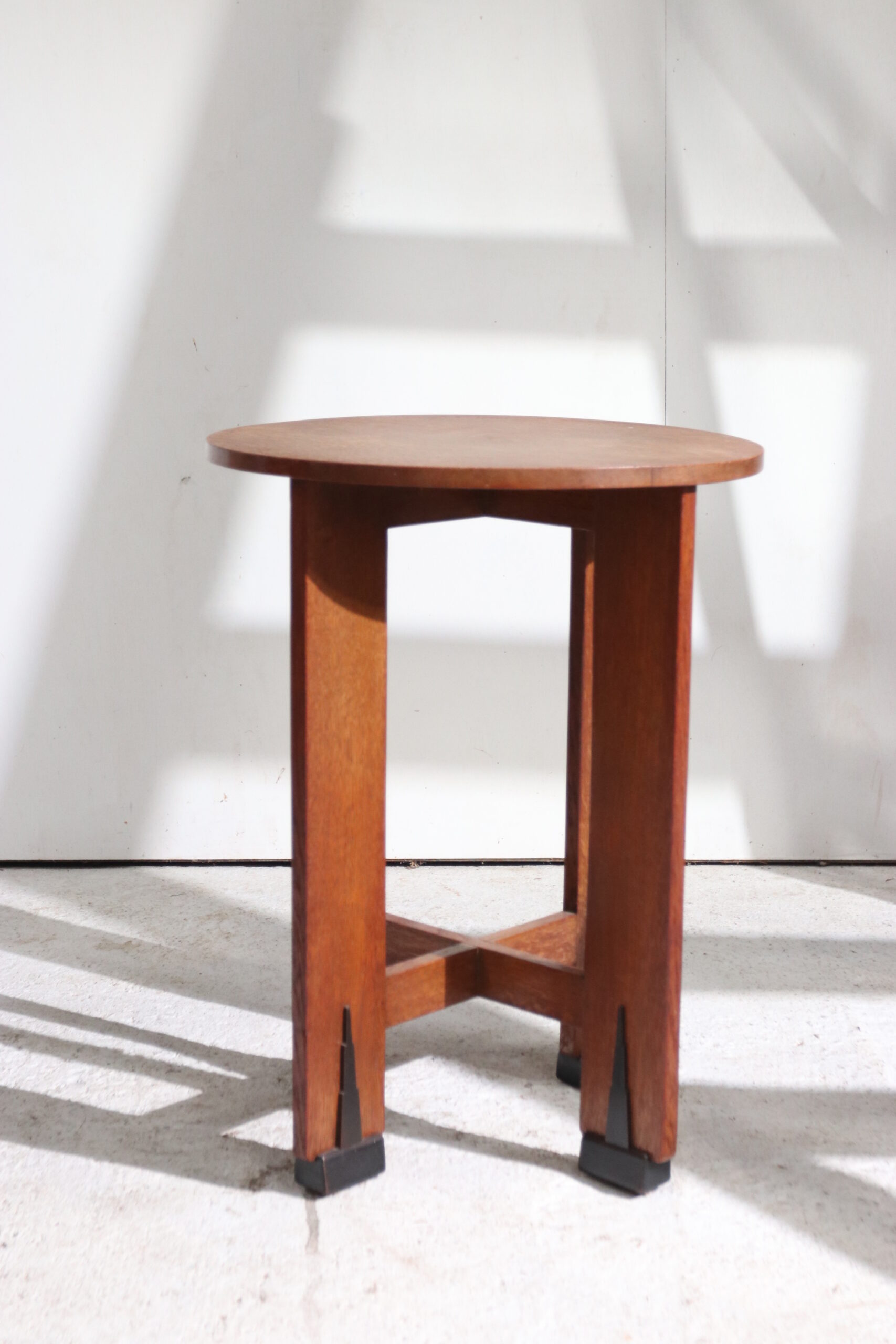 Round oak side table – Amsterdam School style, 1920s–30s€ 395
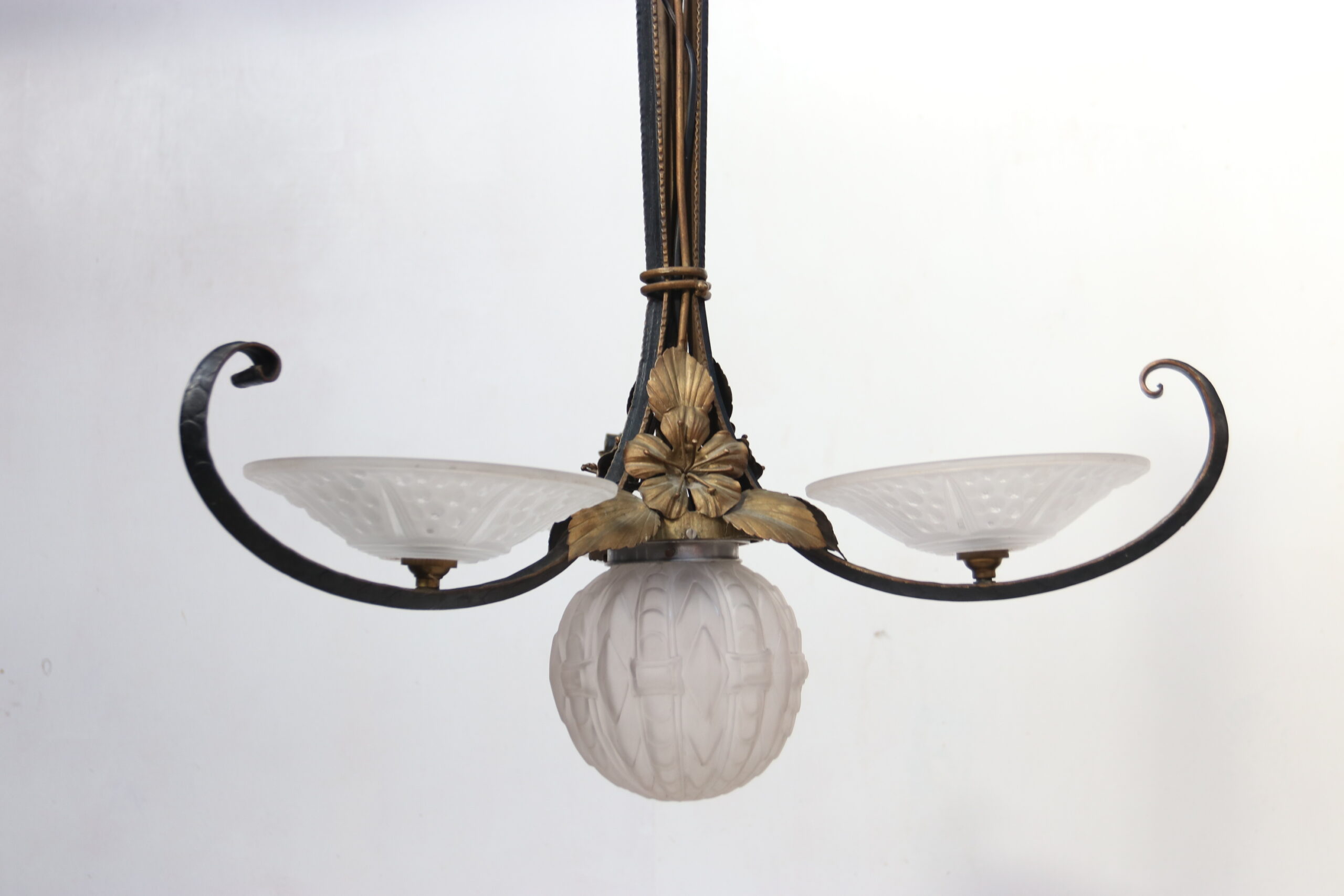 French pendant lamp – wrought iron, gilt flowers and pressed glass, Art Deco 1920s–30s€ 445
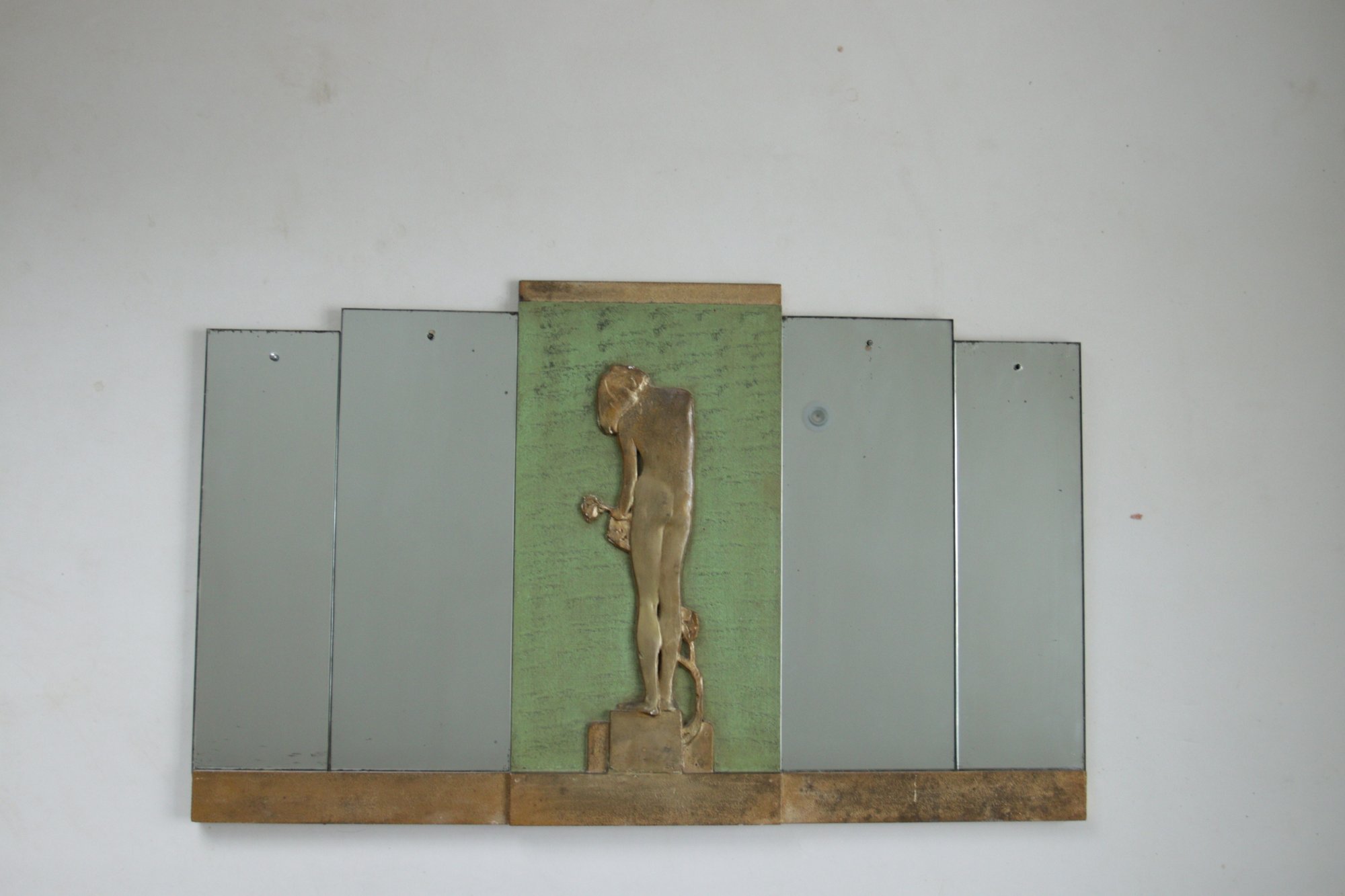 Rowley Gallery Art Deco mirror with gilt relief of a girl – London, c. 1925–1935€ 725
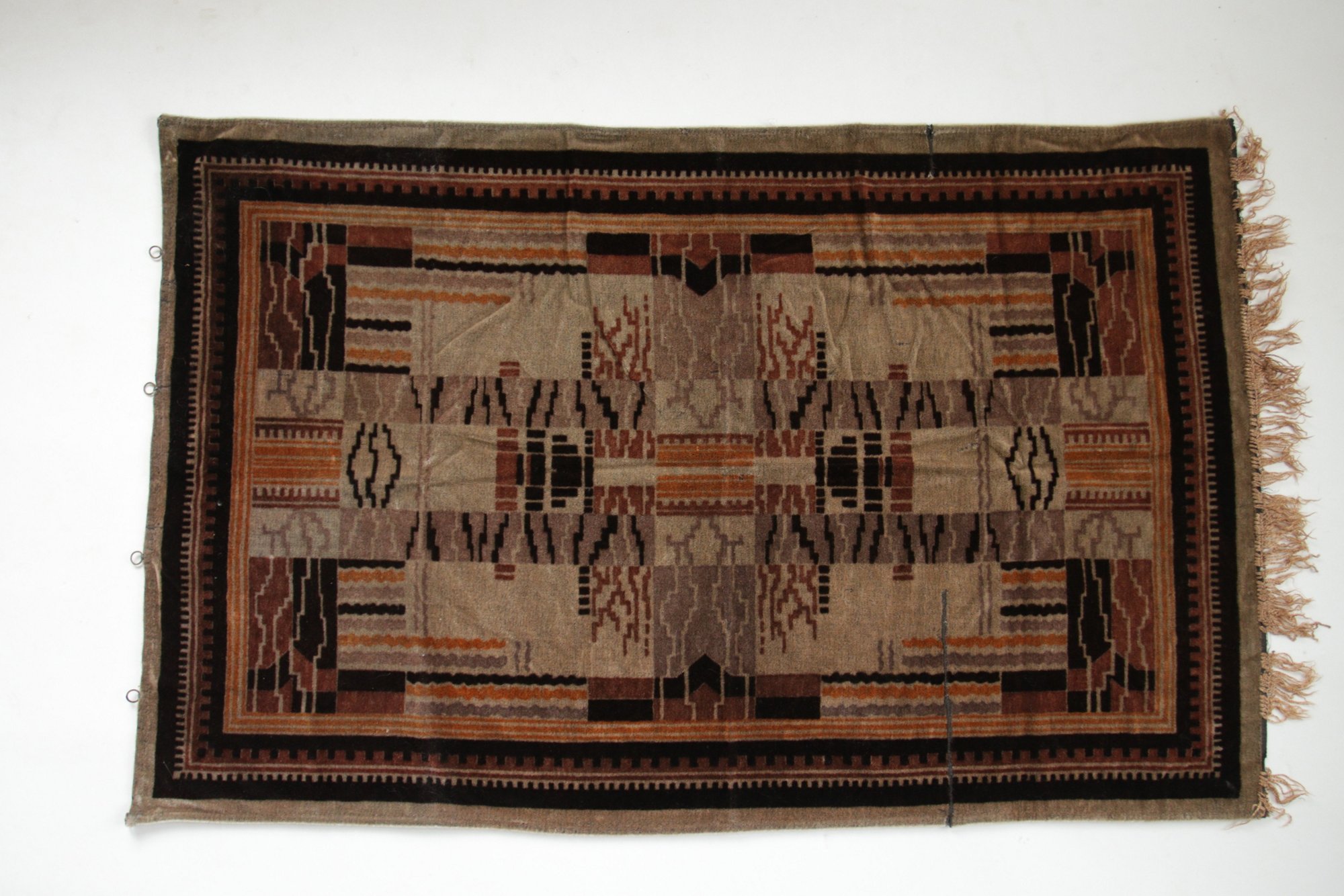 Art Deco velour rug with fringes – 1930s, 142 x 91 cm€ 145
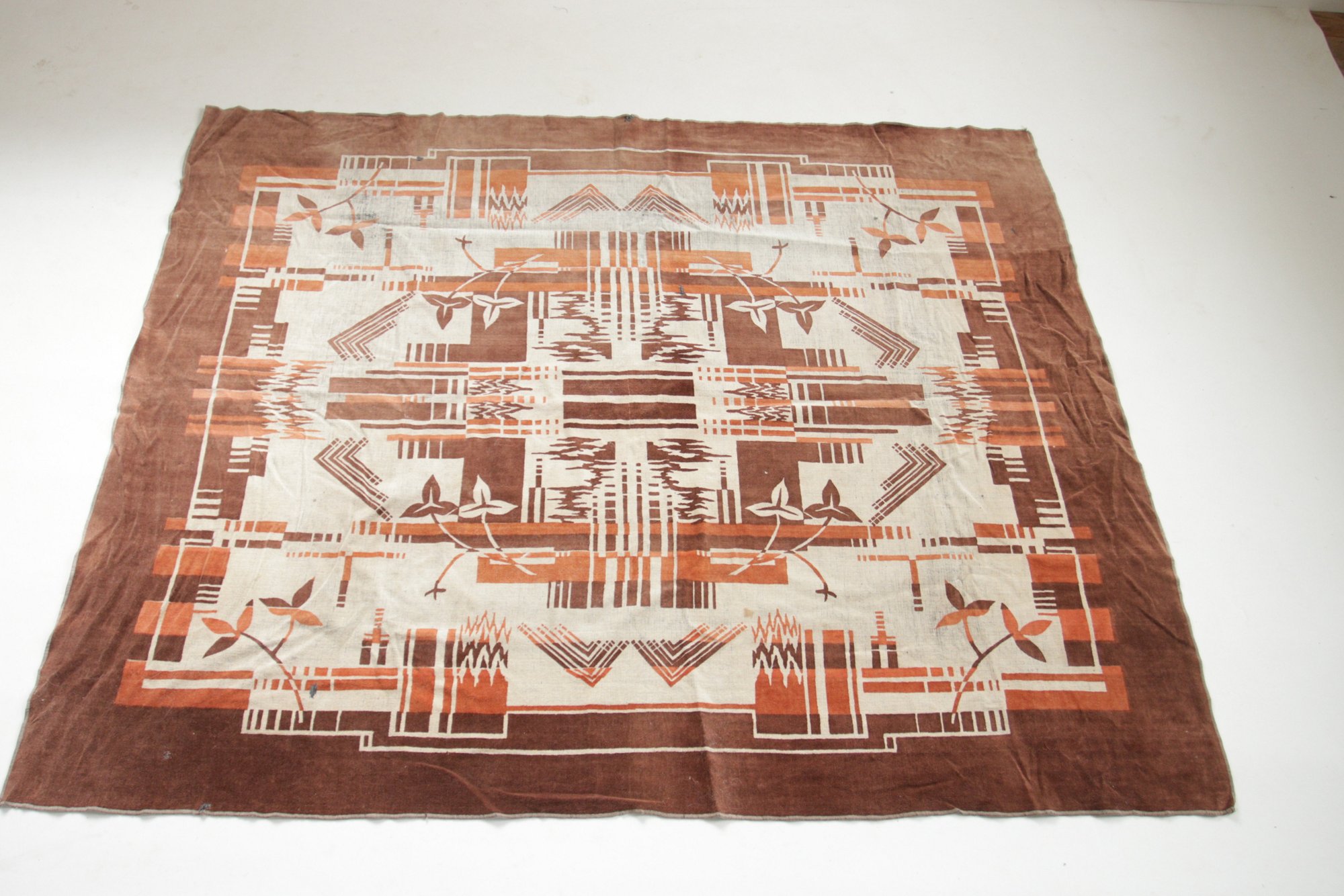 Art Deco velour rug in orange and brown – 1930s, 132 x 165 cm€ 195
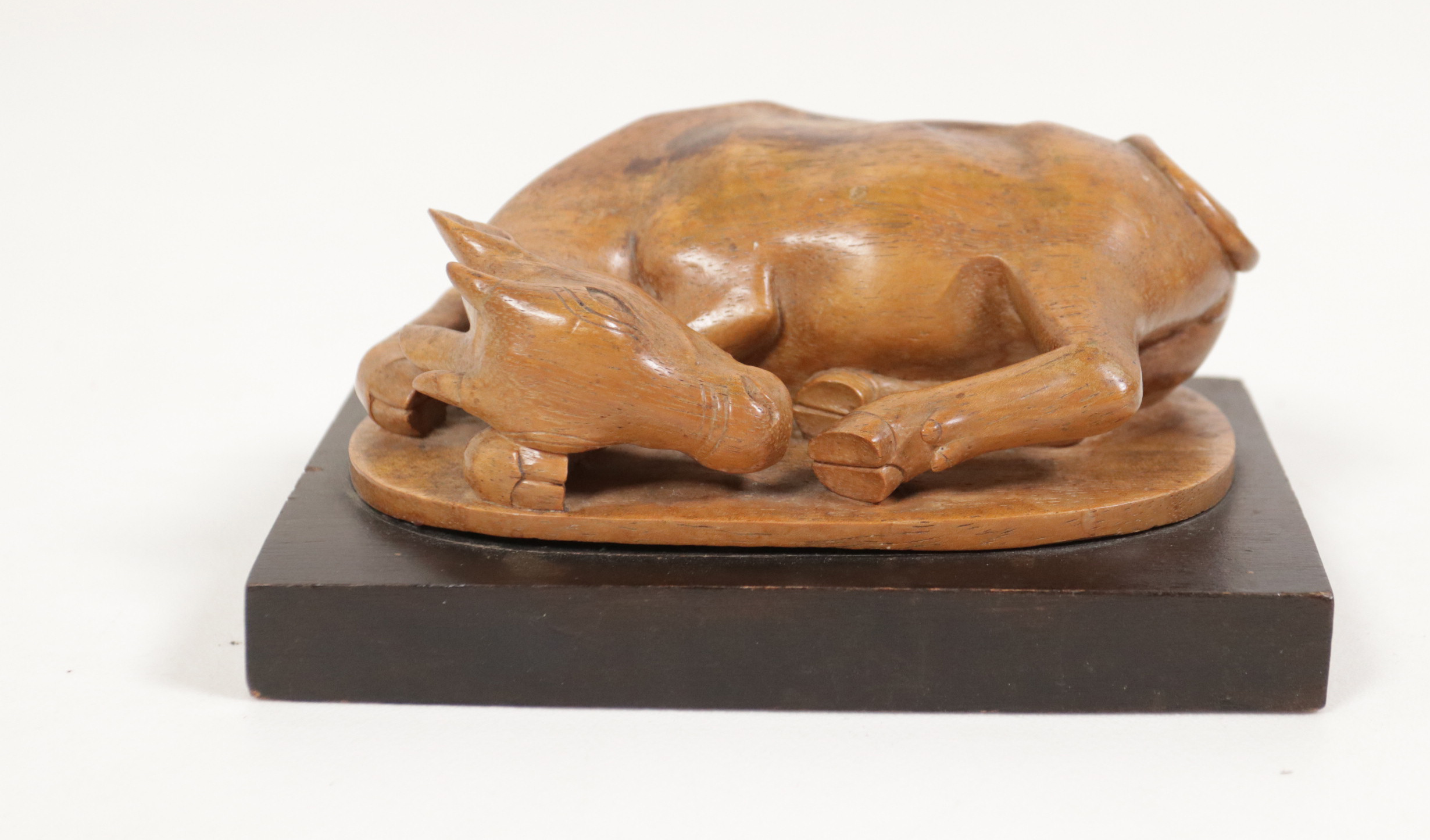 Balinese Art Deco wood carving of a sleeping fawn with original sales label – Pita Maha period, 1930s
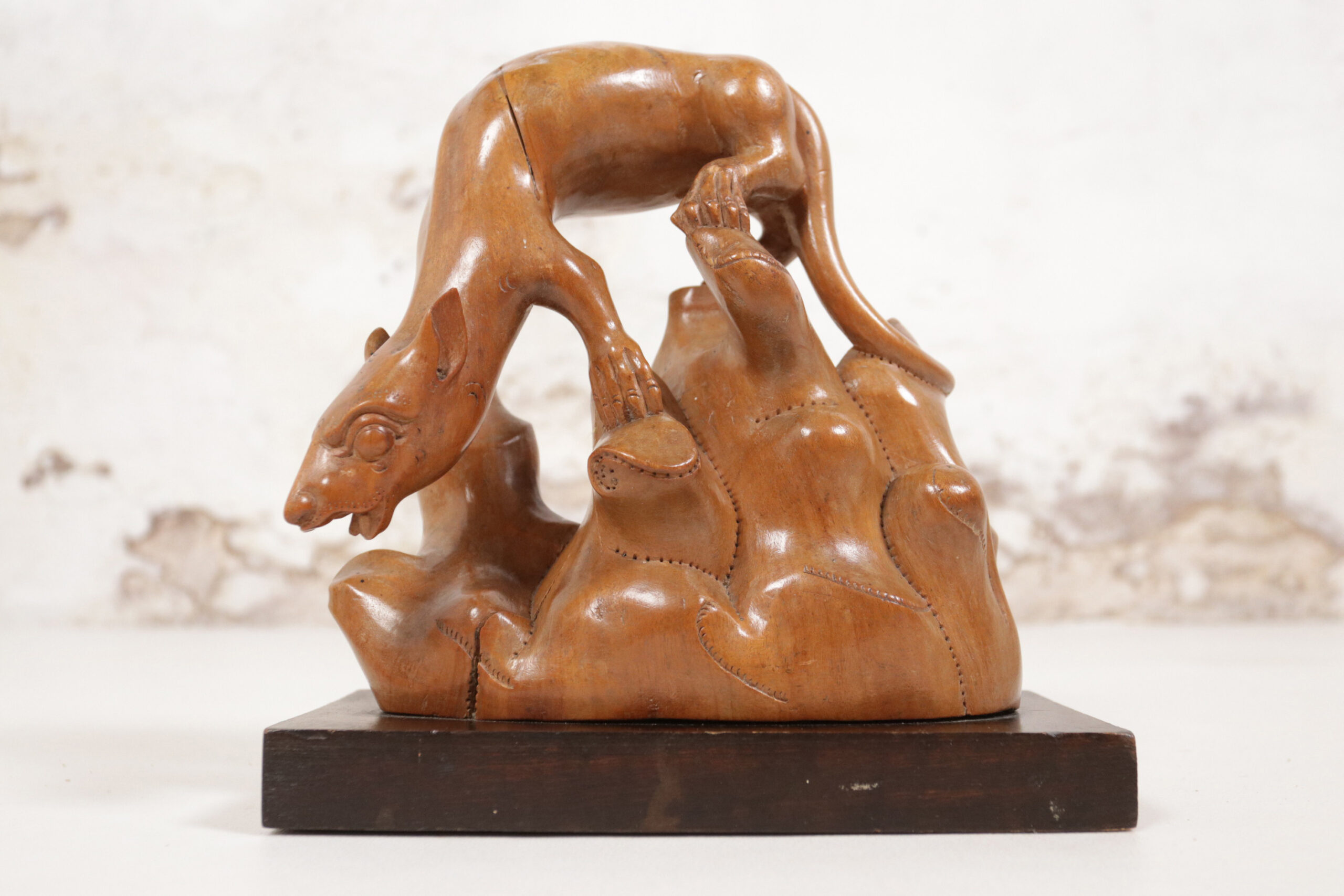 Balinese Art Deco wood carving of a luwak (palm civet) with original sales label – Pita Maha period, 1930s
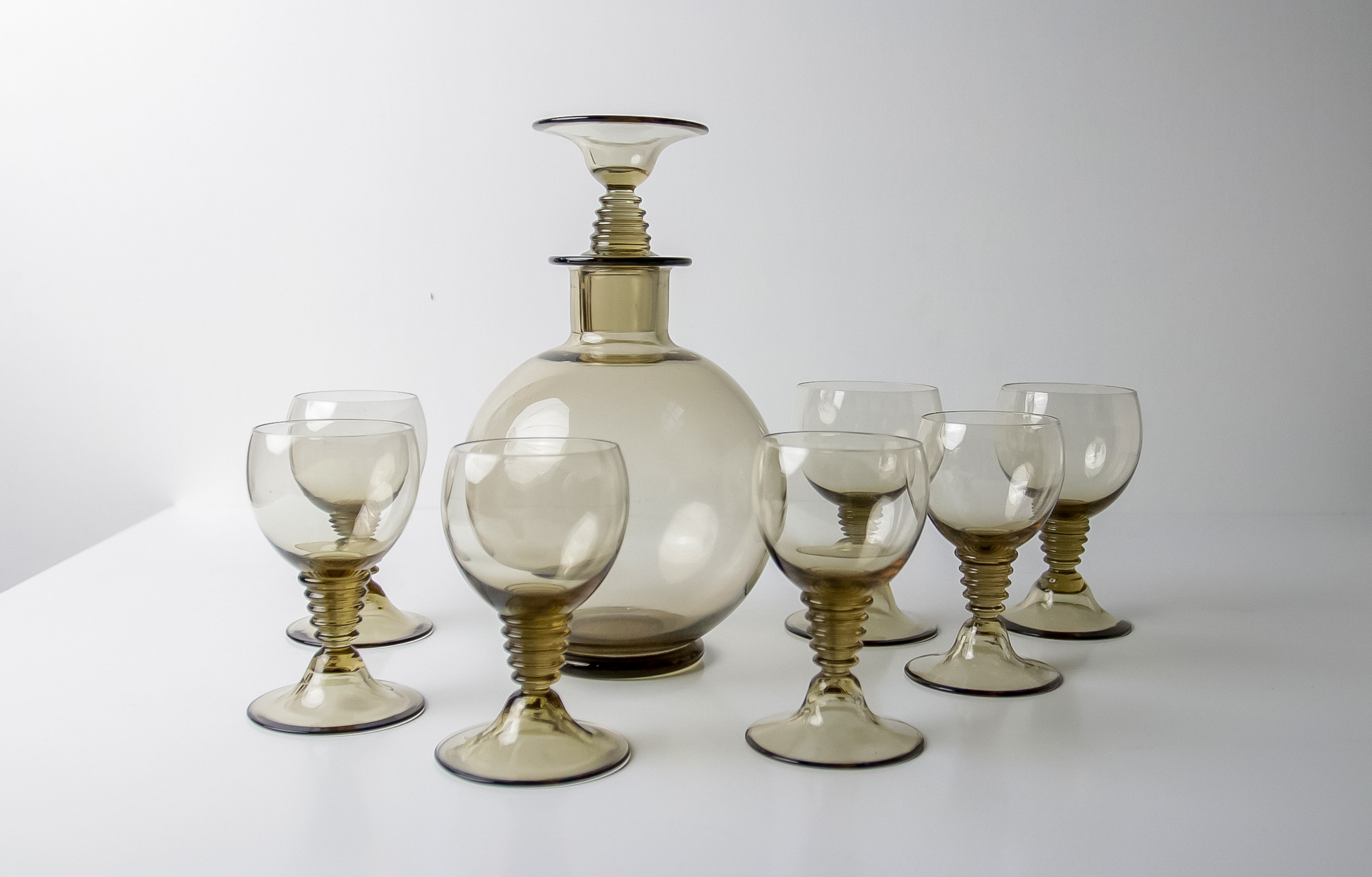 Art Deco Traditie decanter with 7 glasses by W.J. Rozendaal – Kristalunie, 1932–1933€ 195
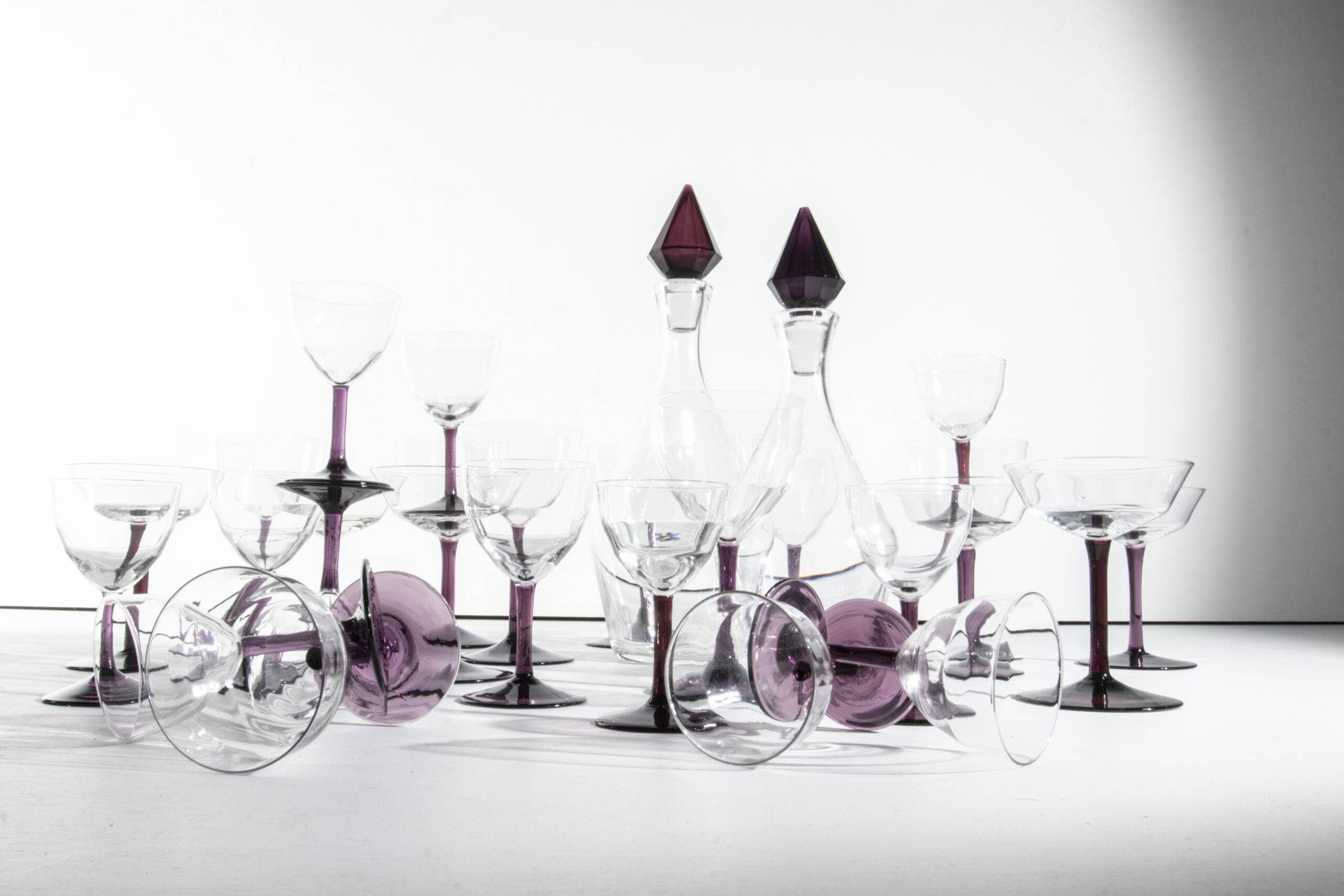 26-piece glass service Logos & Narkissos by W.J. Rozendaal – Kristalunie Maastricht, 1929€ 695
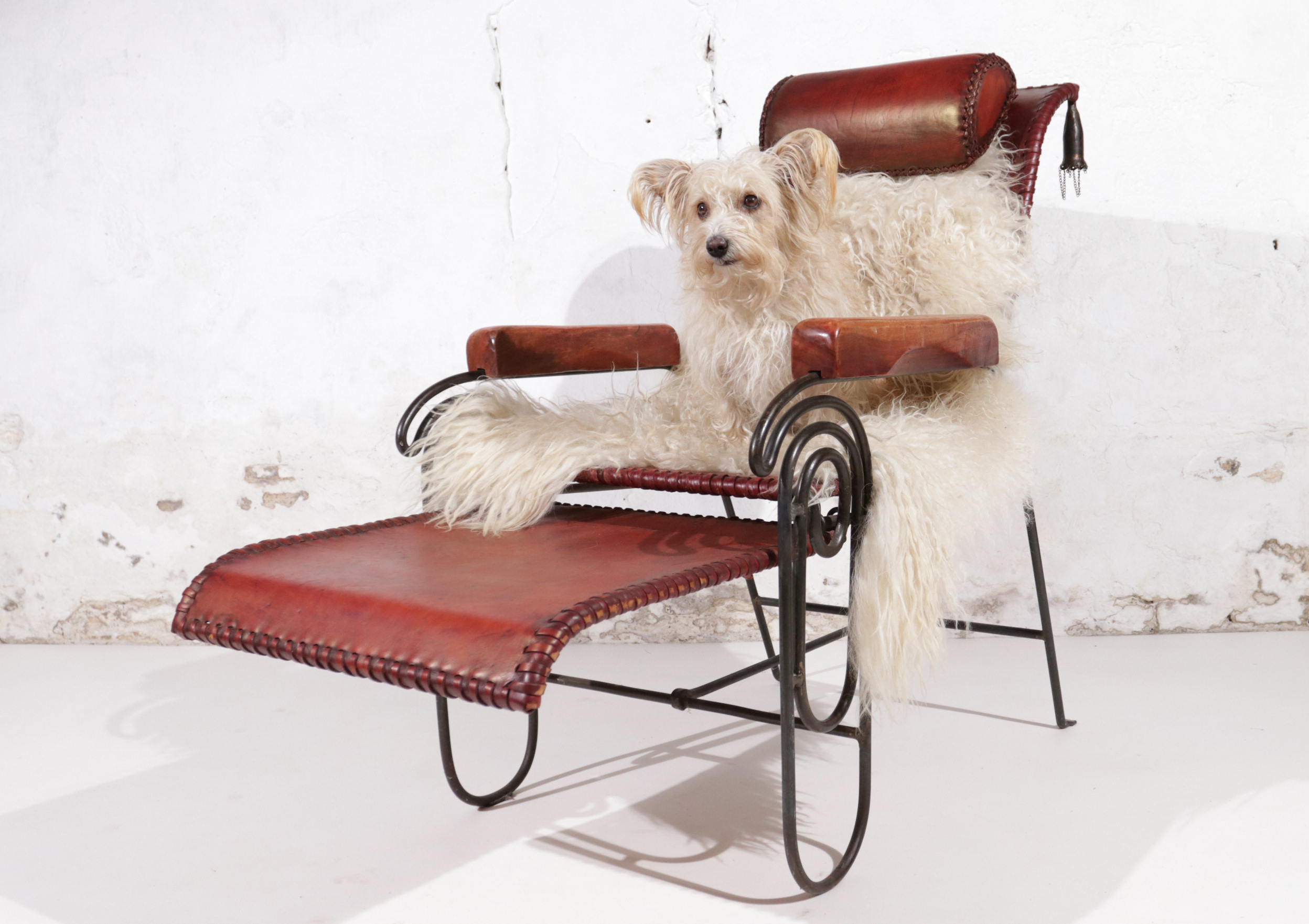 French Art Deco lounge chair in wrought iron and leather with extendable footrest€ 1.295
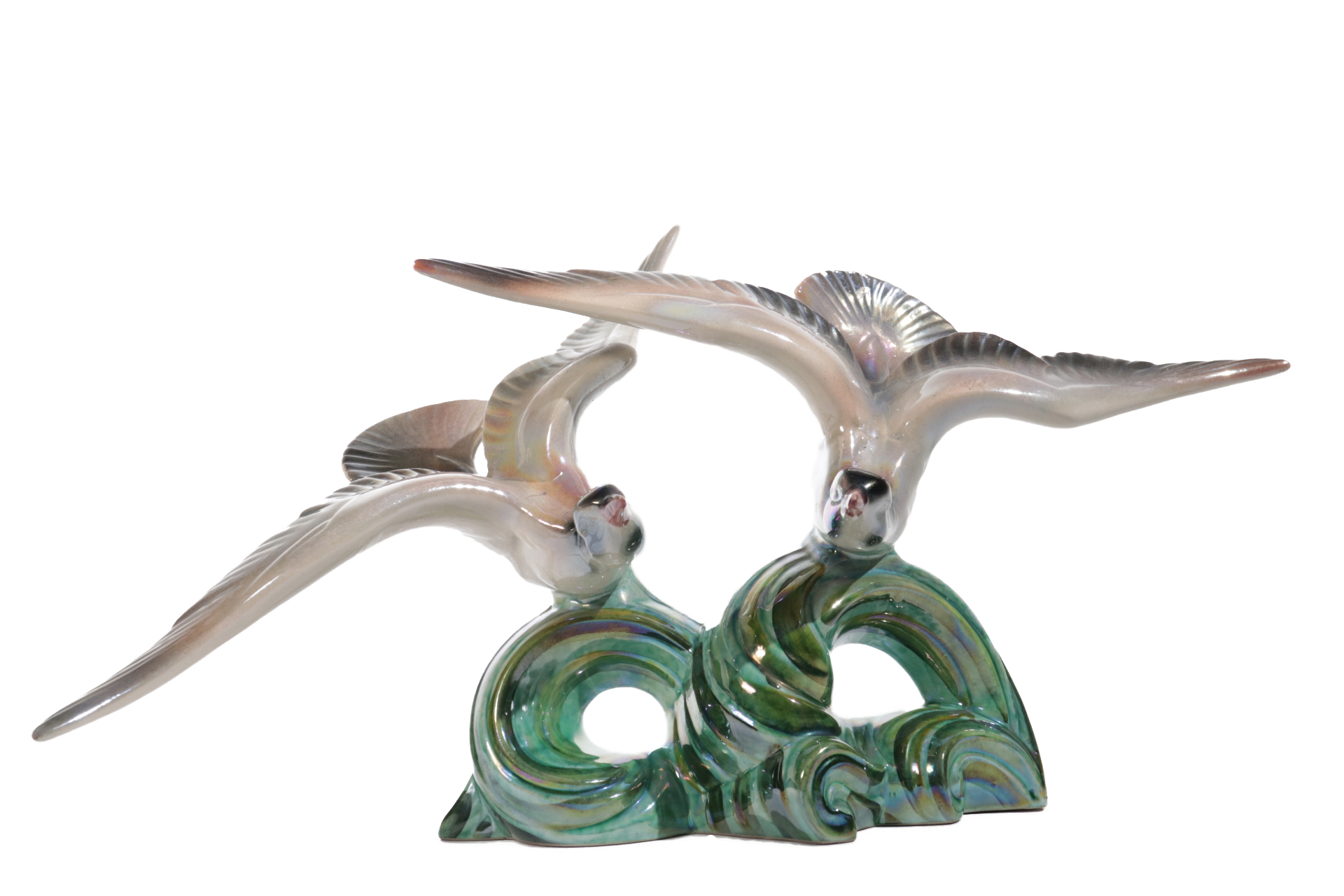 Art Deco porcelain sculpture of two flying birds – iridescent, 1920s€ 195
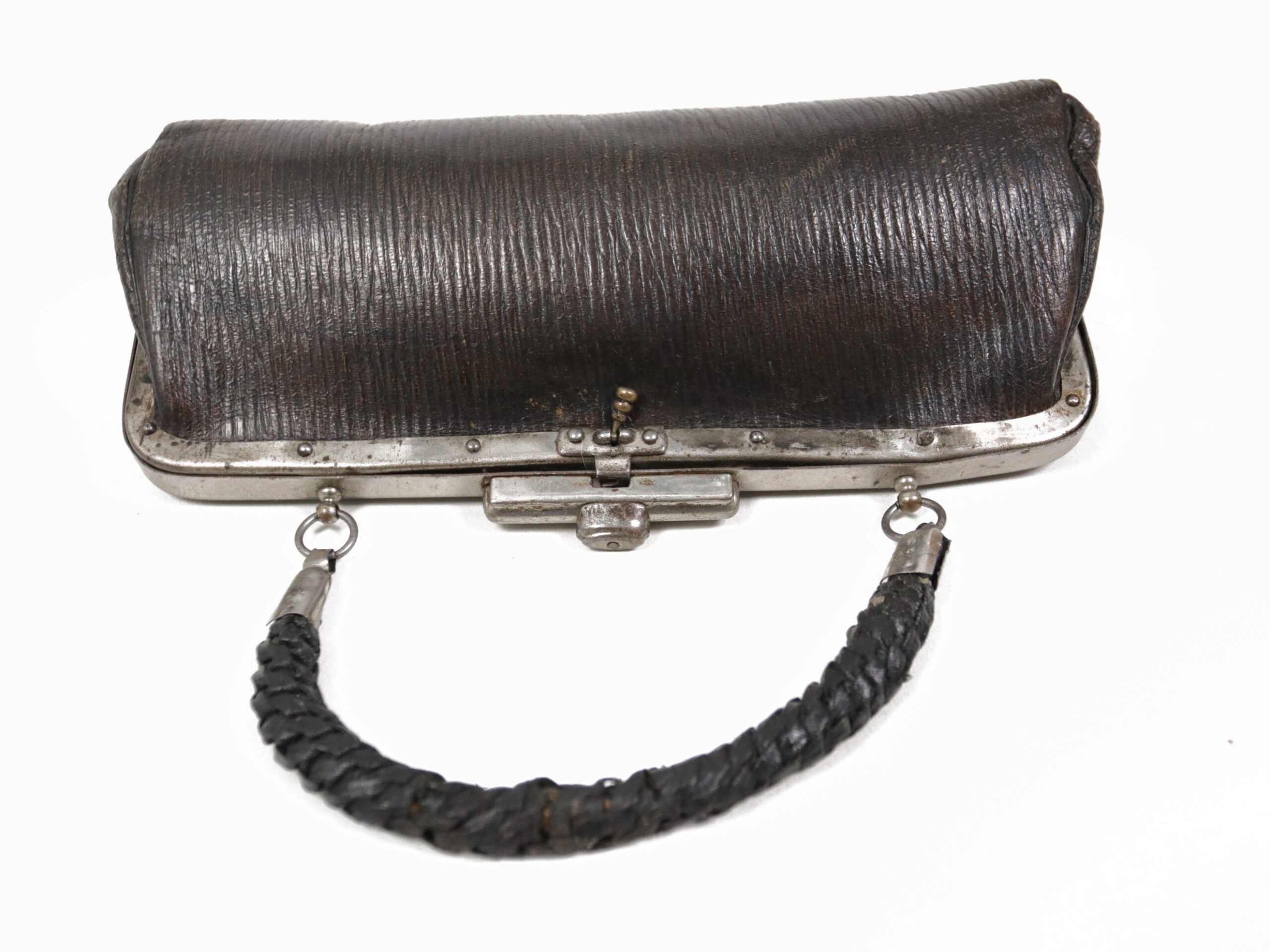 Small Art Deco evening bag in black ribbed leather – circa 1920€ 145
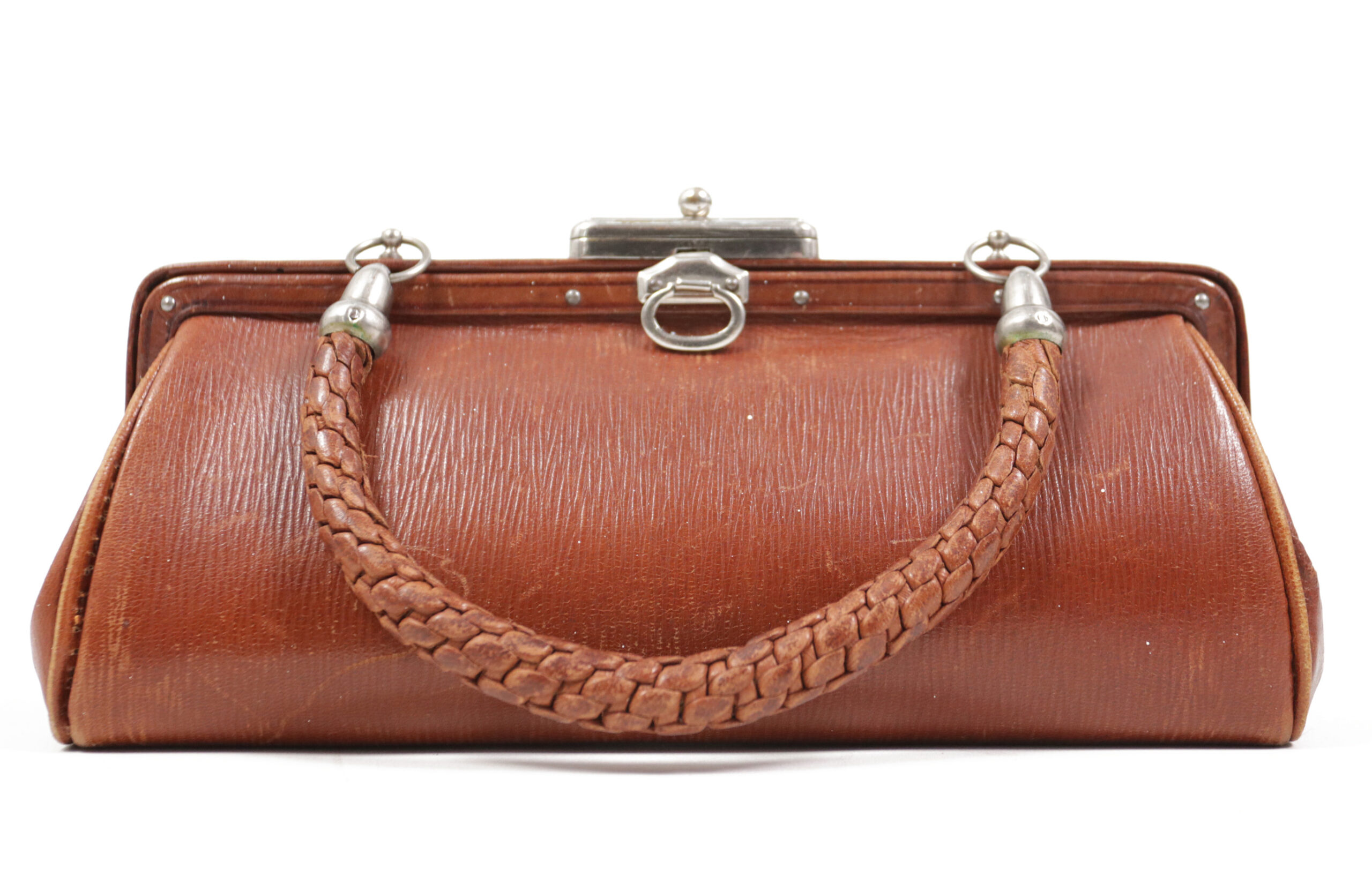 Small Art Deco evening bag in brown ribbed leather – circa 1920€ 195
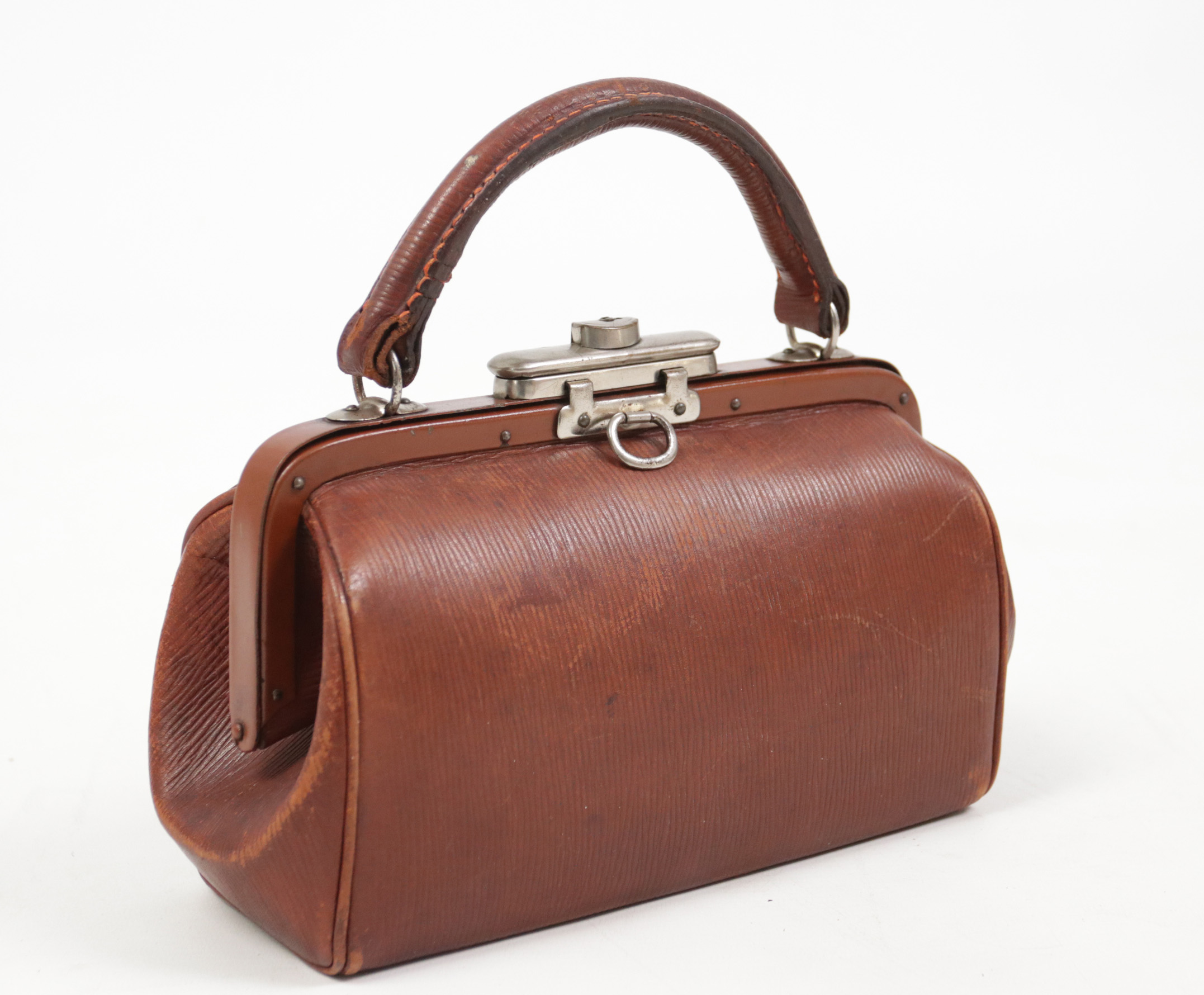 Art Deco handbag in brown ribbed leather – circa 1920€ 195
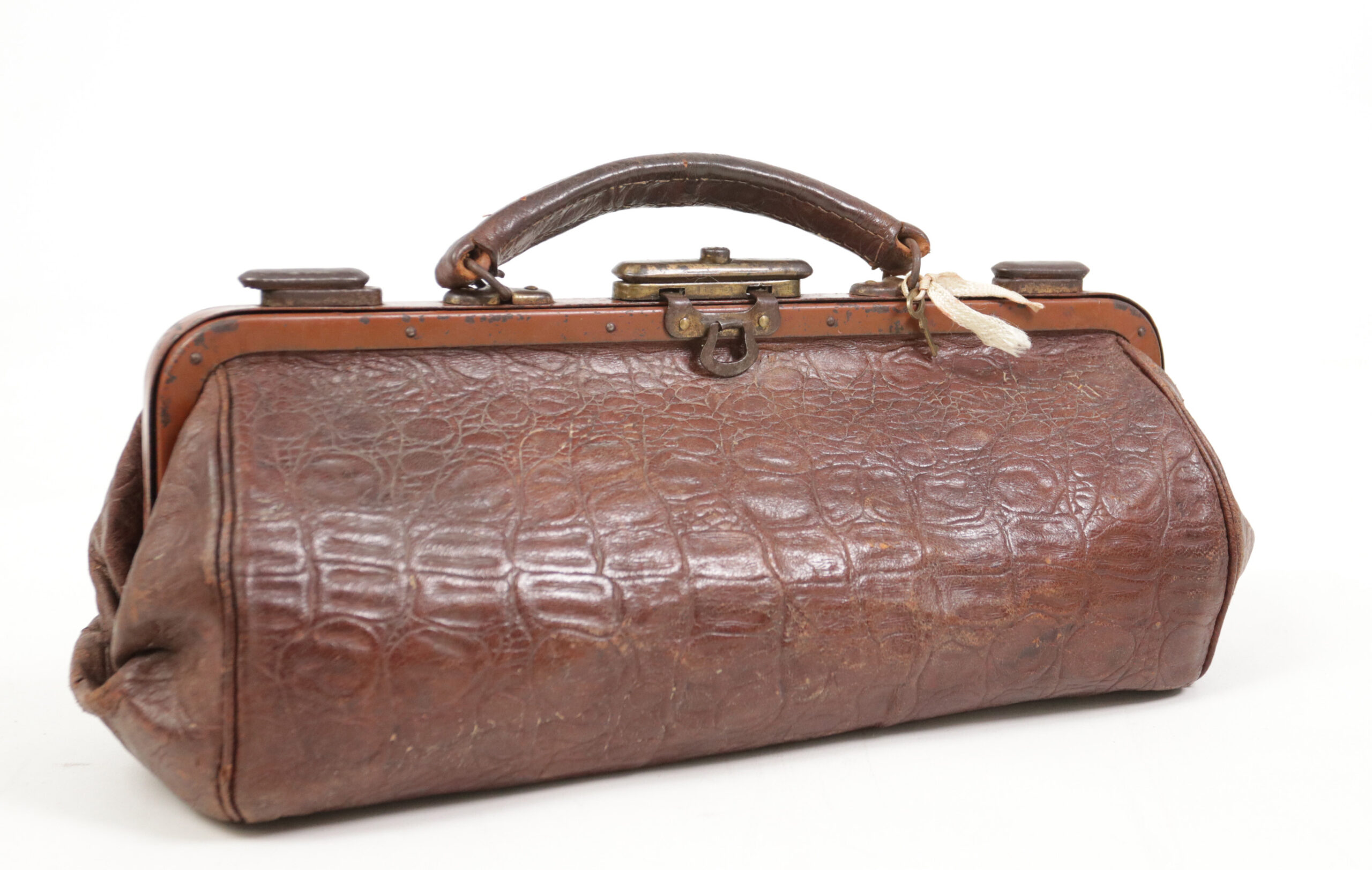 Antique French Art Deco doctor’s bag in crocodile-print leather – circa 1920€ 145
 Pander desk from circa 1920€ 995
 Timeless Elegance: Art Deco Sofa from 1920s France, Recently Upholstered in Ivory€ 1.595
 Antique Art Deco 1920s Collectable Original Mannequin Display Head No. 2€ 695
 Art Deco Metal Coat Rack and Umbrella Stand with Parrot€ 595
 1930s Extremely Rare Art Deco Black Bakelite and Chrome Umbrella Stand€ 395
 Set of 7 Art Deco “Traditie” W.J. Rozendaal 1932–33 Decanter and 6 Glasses€ 195
 Pierre Counot / Émile-Jacques Ruhlmann Art Deco Elephant Chairs€ 245 per stoel
Previously in our collection
 XL Art Deco reclining nude sculpture – vintage chalkware/plaster – statement piecesold
 Art Deco small sideboard wall unit 1930ssold
 Two Rare Exclusive Elegant Art Deco Vintage French Wooden Armchairs 1930’ssold
 Antique Art Deco 1920s collectable original mannequin display headsold
Read on about other styles
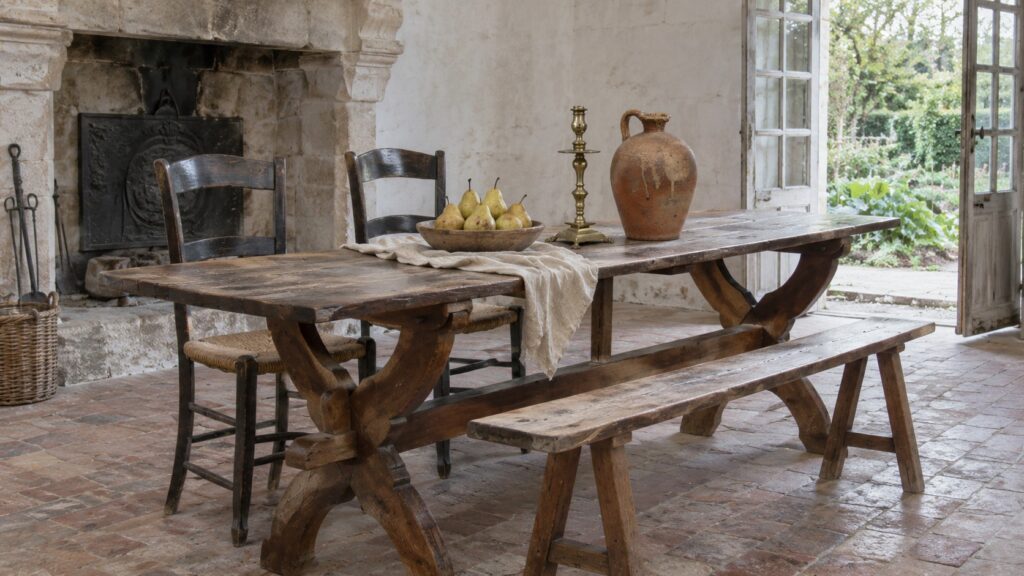 French countryFrench country living: wood, stone and the calm of country life
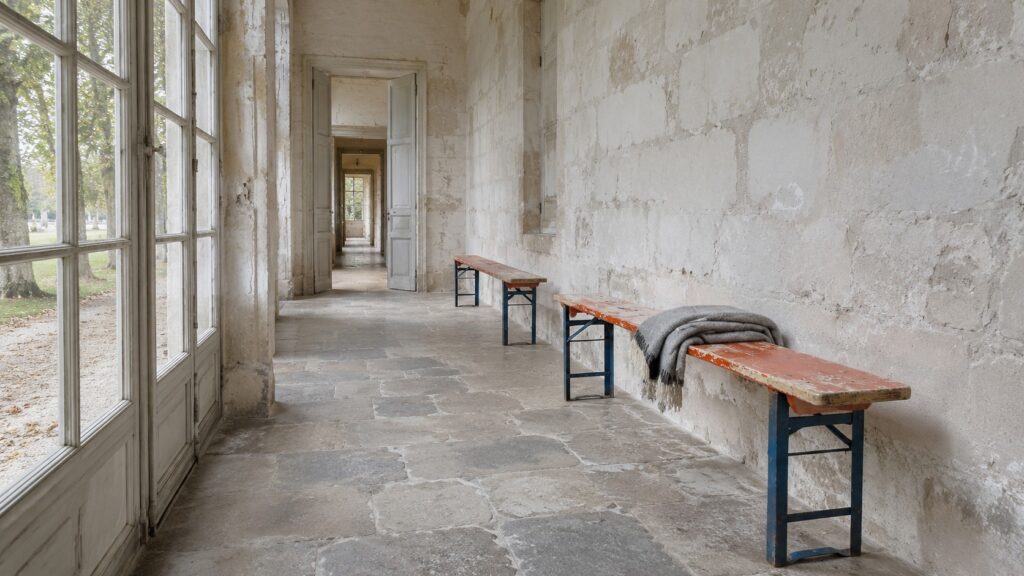 IndustrialIndustrial living: honest materials, clever shapes and a rough edge
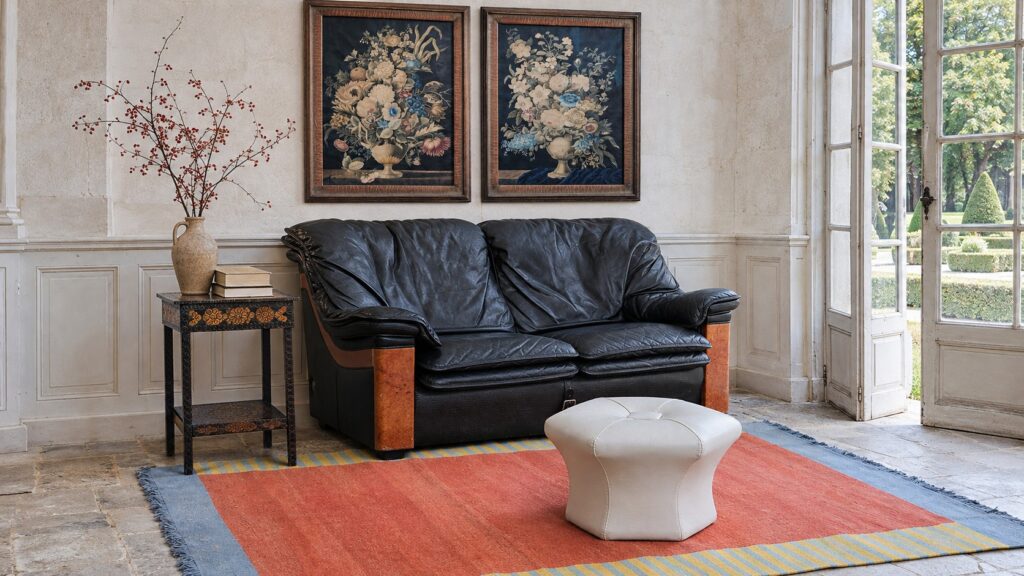 EclecticEclectic living: the art of mixing styles without chaos
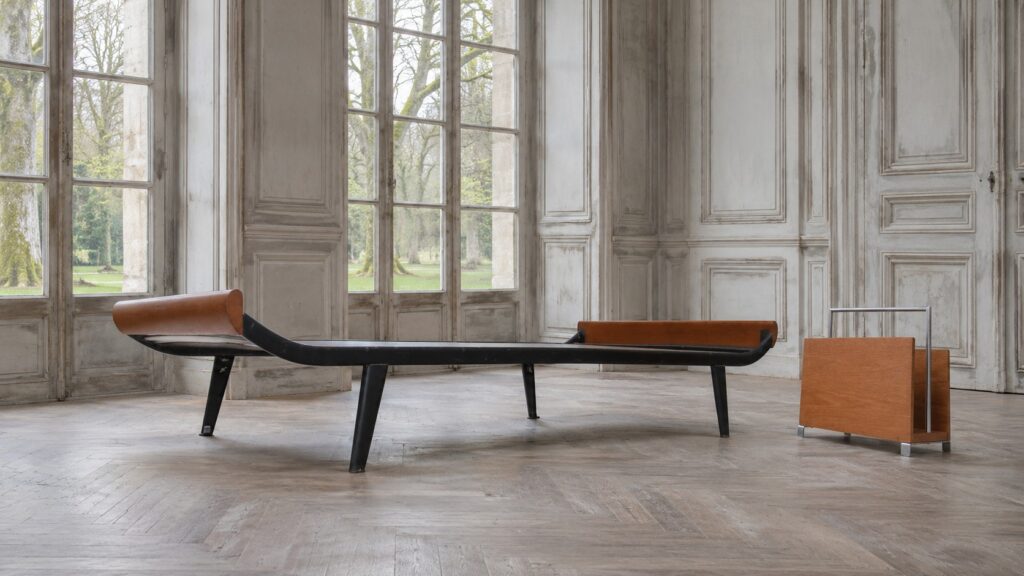 Mid-centuryMid-century design: timeless, warm and still modern
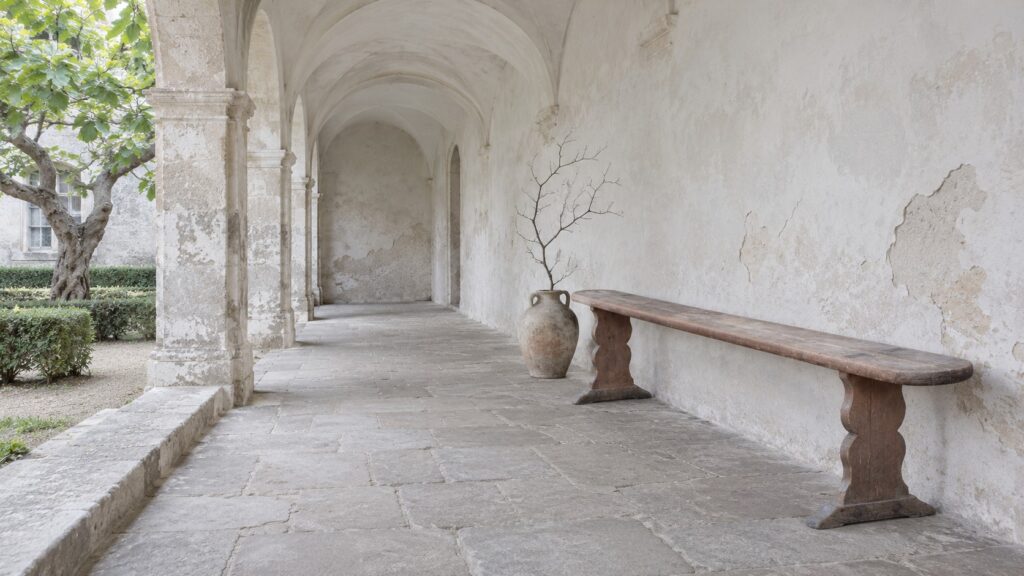 Wabi-sabiWhat is wabi-sabi living, and why does imperfection make an interior more beautiful?