

Tubax is a Belgian brand of steel furniture from Vilvoorde, just north of Brussels. The firm was founded in 1948 and grew into one of the largest makers of metal furniture in Belgium. Its best-known pieces are the designs from the 1950s by the architect Willy Van Der Meeren.
From farm machinery to steel
The roots of Tubax lie in the workshop of Chretien Vits, a sales agent for agricultural machinery. When he could no longer get spare parts during the First World War, he began making them himself. That is how Werkhuis Vits came about in 1914, on the Mechelsesteenweg in Vilvoorde. His son Jan Vits worked there as a welder and taught welding at the town’s technical school.
Tubular furniture in the 1930s
In the early 1930s Werkhuis Vits began making steel furniture, on the machines that had earlier produced tractor parts. Its clients included Thonet and the Ghent architect Gaston Eysselinck. Models of its own followed.
Tubax from 1948
After the war the company grew quickly, thanks to large orders for metal folding beds and chairs for the American and British forces. In 1948 the firm Tubax was founded under the leadership of Jan Vits. Besides metalworking, the factory had a woodworking department and an upholstery shop. Tubax reached its peak in 1963, with more than two hundred employees.
Willy Van Der Meeren
The architect Willy Van Der Meeren (1923–2002) designed for Tubax from 1951 to 1958. He drew furniture that could be made in large numbers: steel frames with plywood panels. Design Museum Gent praises its clear construction, its cheerful use of colour and its inventive use of cheap materials. His C1 chair is in that museum’s collection. The ECSC house, the model home he designed in 1954 with Léon Palm, was also furnished with his Tubax furniture.
The end and a return
In 1977 the Vits family left the company. In 1984 Tubax went bankrupt and 154 jobs were lost. In 2012 the Dutch firm De Machinekamer brought the brand back, with an armchair after the design from the 1930s.
How to recognise a Tubax
The frame is always of steel, on the early pieces of bent tube. On Van Der Meeren’s pieces the construction is there for all to see: a lacquered steel base with flat panels of wood or plywood, often in bright colours. The armchair from the 1930s has curved tubes and wooden armrests. Because the brand has been made again since 2012, look for signs of age in the lacquer and the wood. With us you find the pieces from the period itself, with the life that comes with them. We ship worldwide.
Written by De HuiszwaluwTubax
There is nothing by Tubax for sale at the moment. Below you can see what we have had before.
20 pieces by Tubax found a new home
 Industrial Vintage Tubax School Chairs for Tall People 1982Sold
 Industrial Vintage Tubax School Chairs Pagholz 1977 / 1979Sold
 Half Moon Table Willy van der Meeren Tubax Children’s TableSold
 Tubax Willy van der Meeren Desk Table, 1960sSold
 Vintage Design Willy van der Meeren Tubax Children’s School ChairsSold
 Industrial vintage Tubax drawing table chairs studio chairs 1981Sold
 Vintage design school chairs Tubax Willy van der Meeren 1960sSold
 Industrial vintage Tubax tables “Willy van der Meeren”Sold
 Industrial Vintage Semal Tubax School Chairs, 1960s, GreySold
 Willy van der Meeren Tubax Vintage Design, 1950sSold
 Industrial Vintage Tubax Butterfly-Shaped Pagholz School ChairsSold
 Industrial Vintage Tubax School Chairs from 1976Sold
 Retro Vintage Semal Tubax School Chairs, Formica, 1960sSold
 Industrial Vintage Tubax Pagholz School Chairs, 1960sSold
 Fantastic industrial vintage Willy Van Der Meeren Tubax school chairsSold
 TOP! Industrial Vintage Tubax School Chairs from 1974 / 1975Sold
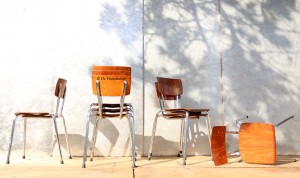 TOP Batch of Industrial Vintage Tubax School ChairsSold
 Industrial Vintage Tubax School Chairs, Unusual ShapeSold
 Tubax Industrial Vintage School Chairs with Super Patina and ShapesSold
 Industrial Vintage Tubax School Chairs from the 1960s.Sold
Looking for something by Tubax?
Let us know. We buy every week and will tell you when something comes in. We ship worldwide.