Bohemian at home: free, warm and full of stories
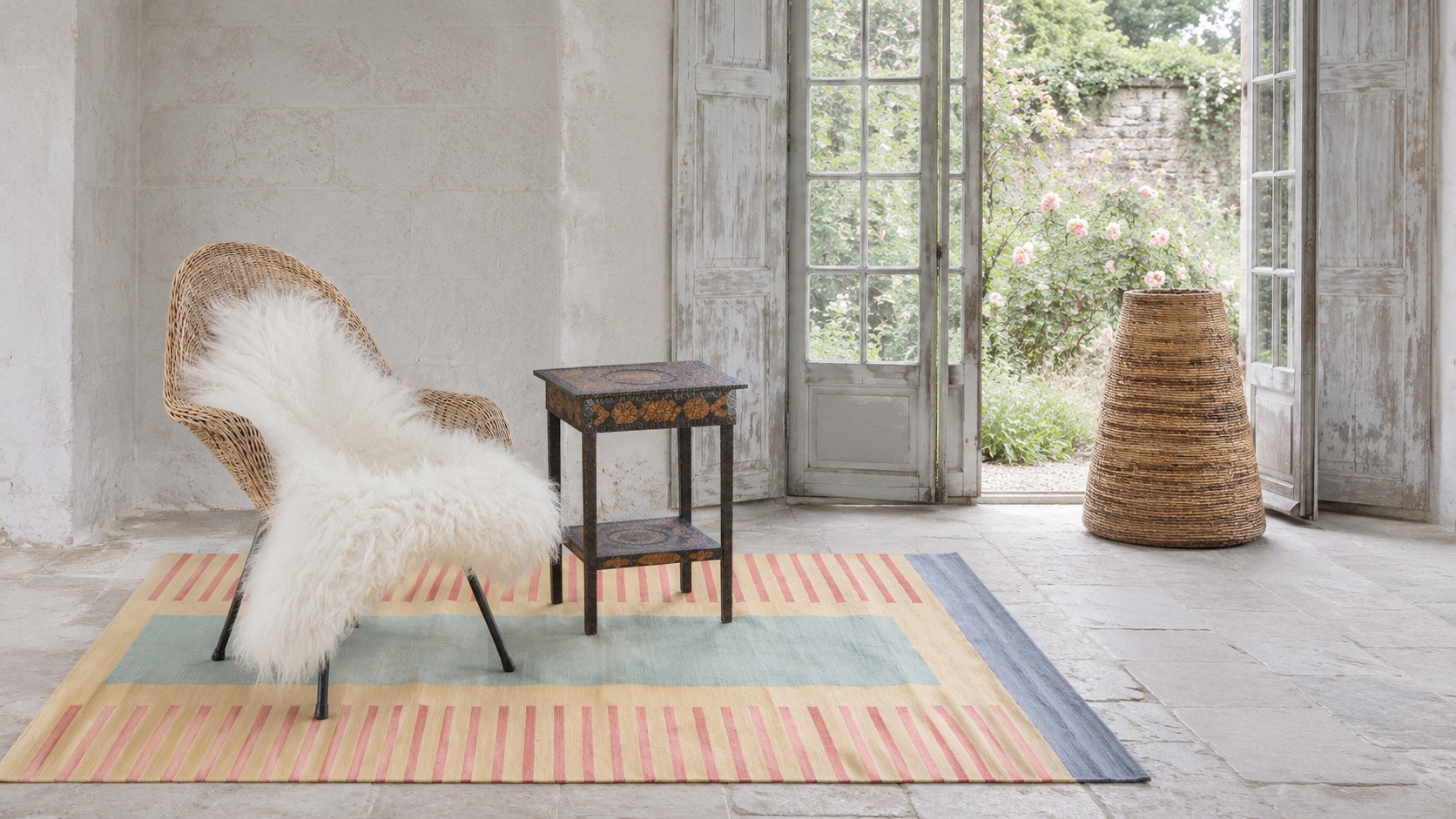
In this photo: 1960s Dutch Wicker Bucket / Basket Chair with Icelandic Sheepskin – 2 (€ 445) · Vintage hand-woven wool kilim / flatweave rug, 1970s–80s (€ 375) · Decorated antique side table with elephant (€ 245) · Large banana leaf floor basket – conical shape, 81 cm, recent (€ 95)
Bohemian at home: free, warm and full of stories
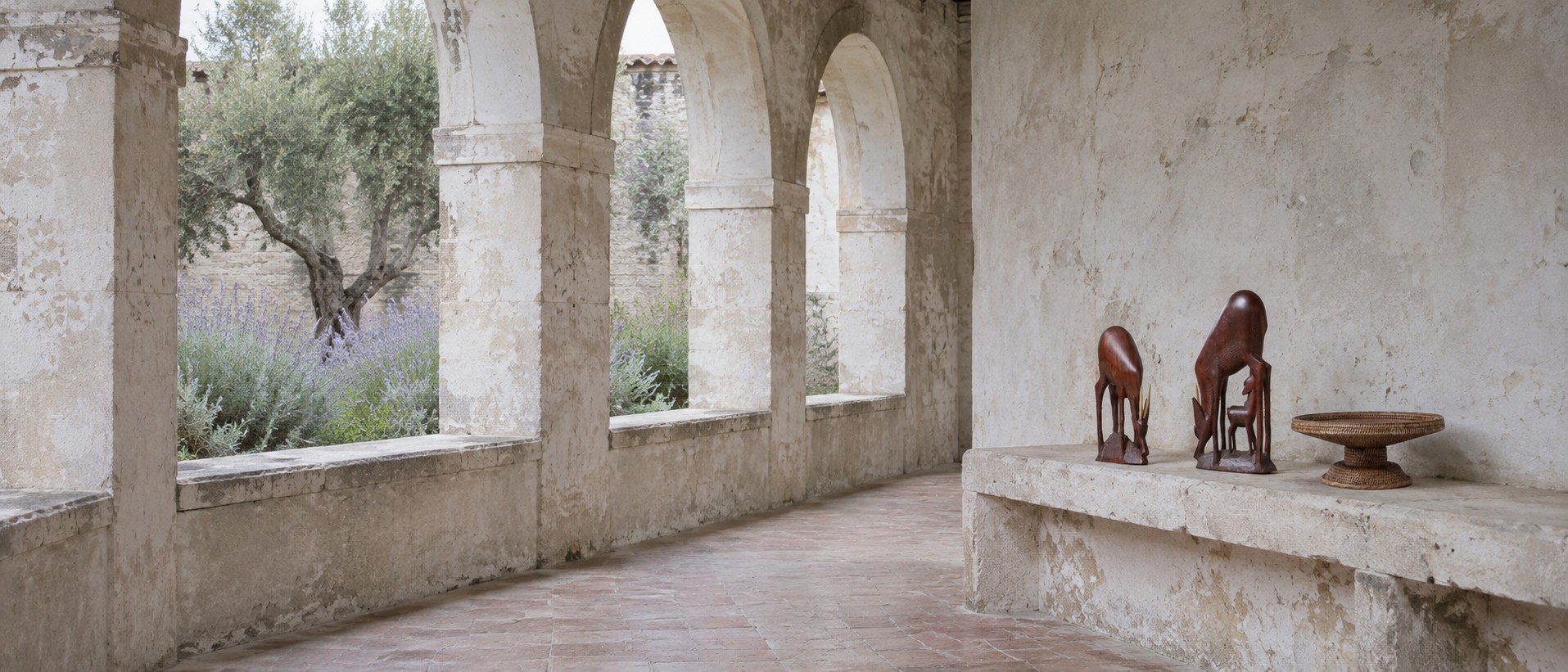
Wicker, kilims and wood carving: an interior that looks as if it came together over the course of a lifetime.
In this photo: Pair of wooden antelopes with calf – East African wood carving with bone horns, mid-20th century (€ 125 (samen)) · Wicker fruit bowl on foot – hand-woven rattan, vintage (€ 65)
Bohemian: living without rules, but with feeling
A bohemian interior follows no plan. It grows. A chair from a market, a rug from a journey, a small figure someone gave you: everything is welcome as long as it means something to you. The result is warm, personal and never finished.
That freedom is exactly what makes it difficult. Without direction it becomes an attic full of clutter. With a calm base and a few good pieces it becomes a home where you want to sit down at once.
In this article you can read where the style comes from, which materials define it and how to keep it light. The images show pieces from our own collection; click on a piece to view it.
What is bohemian?
The word comes from nineteenth-century Paris. Artists, writers and musicians who lived outside bourgeois rules were called bohémiens. Henri Murger described their life in 1851 in Scènes de la vie de bohème. Their rooms were filled with what they found, were given and made themselves.
In the 1960s and 1970s the style was given a second life. Those who travelled brought home rugs, baskets and carvings; rattan and wicker entered the living room. The image we now call ‘boho’ dates from that time.
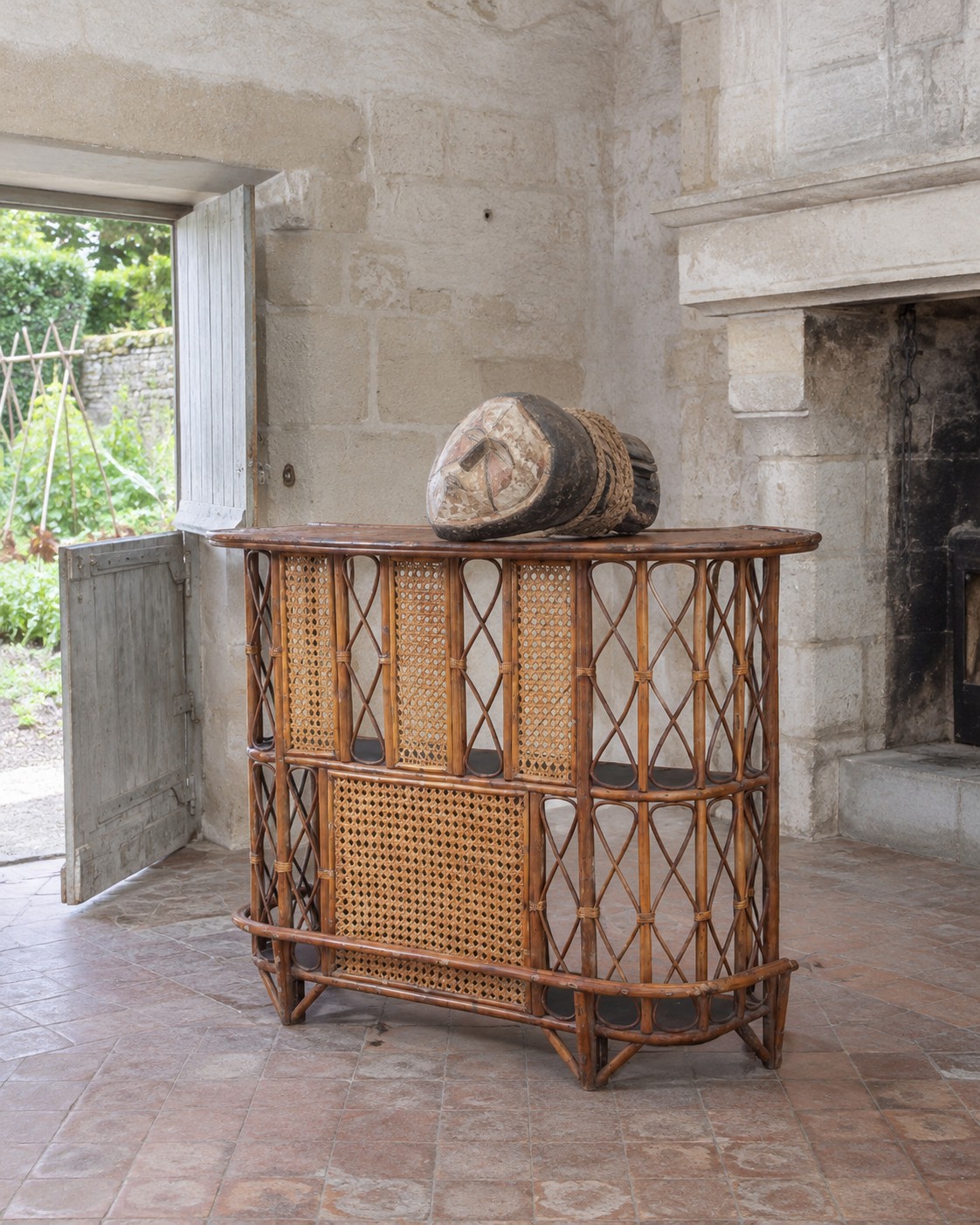
The freestanding French bar in rattan and bamboo in the photo is a fine example: 1970s, woven panels, 142 centimetres wide. On top lies an old elephant mask of the Ibo-Izzi from Nigeria, a wooden dance crest that was worn horizontally on the head.
In this photo: French freestanding rattan bar from the 1970s (€ 1.095) · Ibo-Izzi, Nigeria, Old ‘Ogbodo Enyi’ Elephant Mask (€ 1.795)
Why is bohemian so loved?
Because it forgives. In a bohemian interior nothing has to match and everything may be used. A stain, a repair or a faded colour only makes a piece more its own.
It is also a style of natural materials. Wicker, rattan, wool, wood and earthenware feel good and improve with age. That fits the wish to buy less new and keep things longer.
And it is personal. No two bohemian rooms are alike, because they are built from what someone has collected. That makes the style attractive to anyone who is tired of interiors that all look the same.
The strength of bohemian: texture and handwork
Bohemian is about what you can feel. Woven rush, woven wool, carved wood: the eye reads the hand of the maker. Colour comes from textiles, not from paint on the wall.
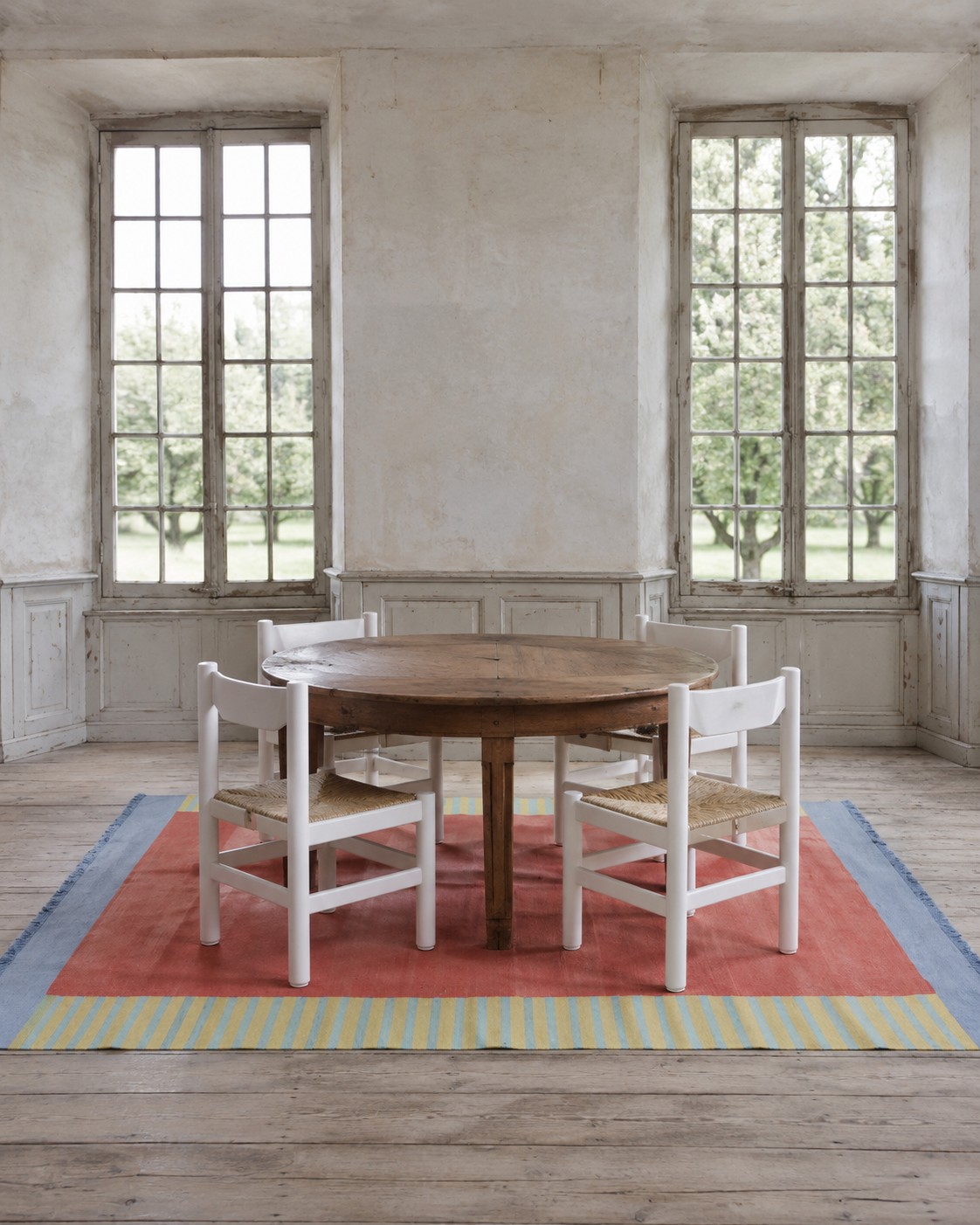
A rug is therefore often the start. The handwoven rug in the photo, about 240 by 180 centimetres, has a wide coral red centre with soft blue bands and striped borders. It is flat-woven, so a table stands well on it.
Around it stand four white lacquered Italian chairs with rush seats from the 1970s. White wood and rush keep things light; the rug does the rest. A dining room needs no more colour than that.
In this photo: Set of 4 white rush dining chairs – Vico Magistretti / Charlotte Perriand style, 1970s (€ 995) · Vintage hand-woven geometric rug, 1970s–80s (€ 375)
How do you combine bohemian without it becoming cluttered?
The trick is space. Do not put out everything you own, but choose two or three pieces per corner and leave the wall around them empty. Bohemian can be full of character without being full.
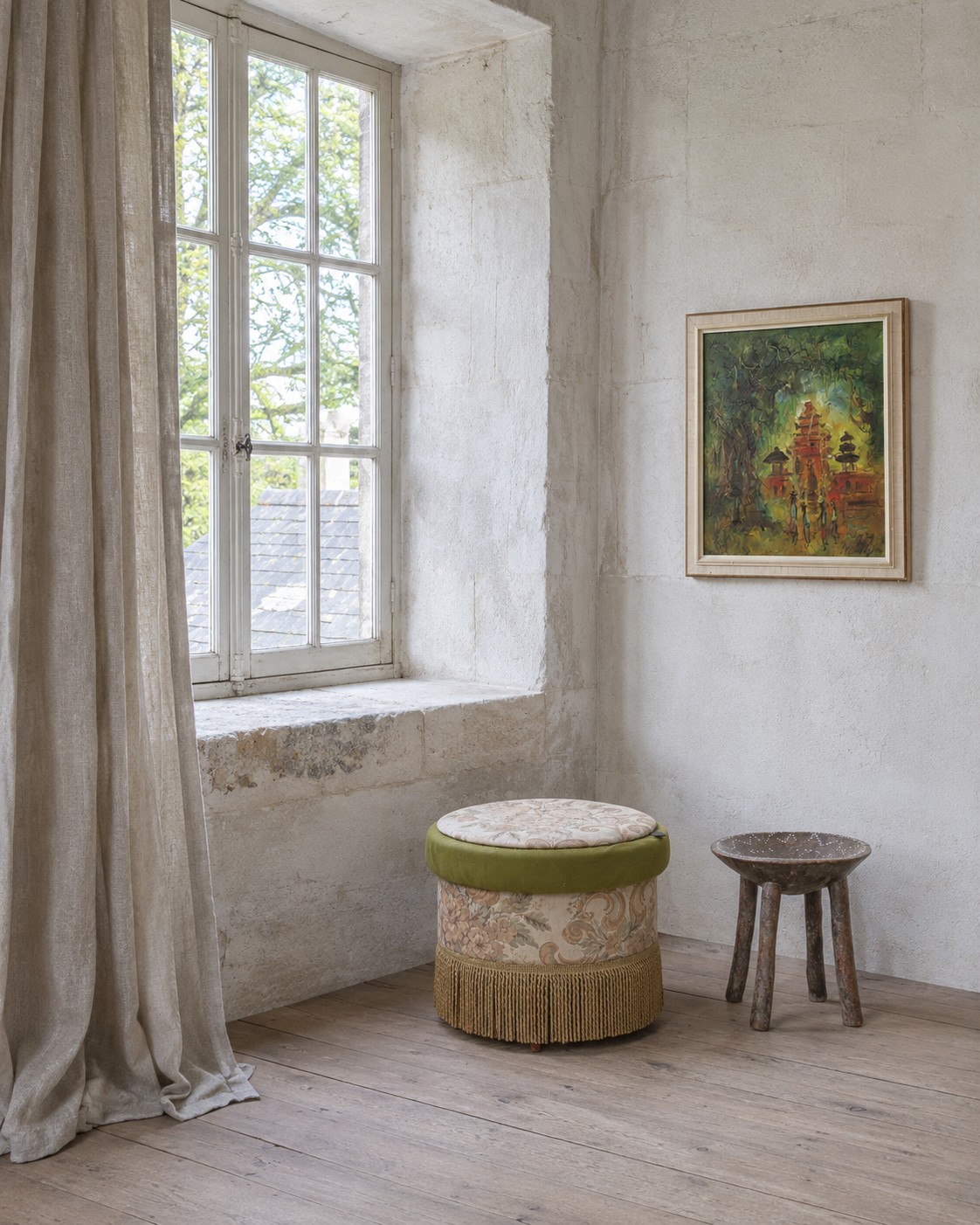
Work with differences in height. By the window in the photo stand a round sewing pouf from the 1960s or 1970s, covered in tapestry fabric with roses and trimmed with green velvet and fringe, and an old stool from the Maasai region in Kenya. The stool is carved from a single piece of wood and inlaid with tiny beads.
On the wall hangs one painting: an Indonesian temple, painted in 1979 by Maria Tjui. Three pieces from three continents, and yet it is calm, because the background is white and there is space around them.
In this photo: Vintage sewing pouffe with storage – tapestry and fringe, 1960s–70s (€ 95) · Old African stool inlaid with beads (€ 250) · Indonesian Temple – Maria Tjui (Indonesian, 1934–2017) (€ 450)
What to look for when buying bohemian pieces
With wickerwork, look for breaks. Wicker and rattan dry out and can snap at the bends. A few loose ends are normal; a broken frame is not. Check that a chair stands firmly before you sit down.
With rugs, look at the edges and the colour. Lay a rug flat and look at the back as well. Handwoven work is never perfectly straight, and slight colour variations are part of it.
With ethnographic objects, provenance matters. Ask where a piece comes from and how old it is. The heavy copper anklet in the photo comes from the Mongo in DR Congo, dates from the nineteenth century and served as currency; it weighs more than four kilos.
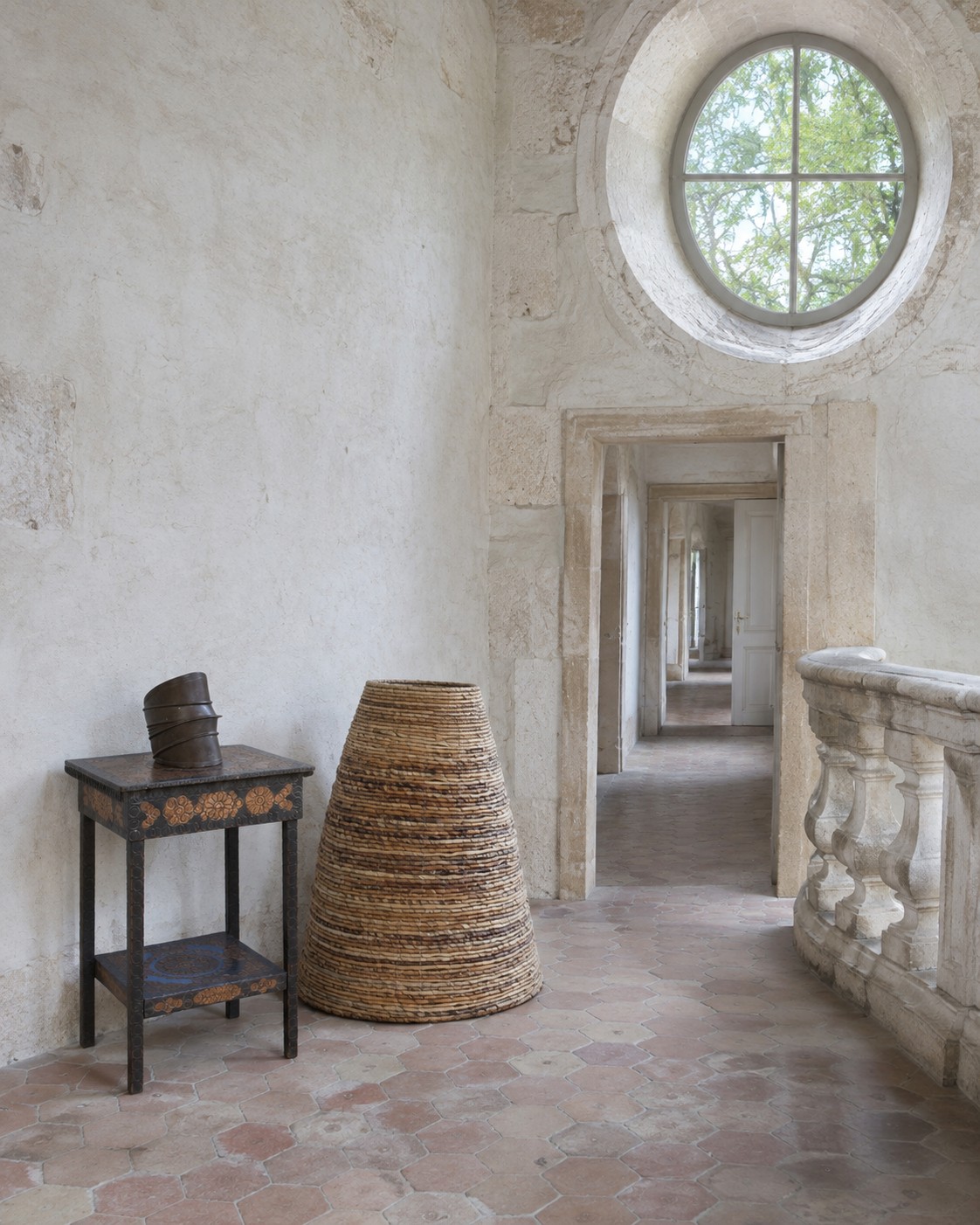
Mind the difference between old and recent. The side table with burnt-in patterns and an elephant on the top is from the first half of the twentieth century. The large conical banana leaf floor basket next to it was made recently. Both are beautiful, but an honest seller tells you which is which.
And measure, even small things. The basket is 81 centimetres high and 64 centimetres wide at the base: an accessory in a photo, a piece of furniture in real life.
In this photo: Decorated antique side table with elephant (€ 245) · Heavy Copper Ekonda Anklet Currency, Mongo, 19th Century (€ 245) · Large banana leaf floor basket – conical shape, 81 cm, recent (€ 95)
Bohemian in a light, calm interior
Bohemian is often shown dark and full, with many plants and cushions. It can be done differently. Against limewash and stone, wicker and wool take on an almost summery character, and you see each piece separately.
Keep the base quiet: a light wall, a bare floor, no pattern on pattern. Let one rug set the colour and choose the rest in natural tones: wicker, wood, white.
Place pieces in small groups and leave empty floor between them. A chair with a pouf on a rug, a bar on the other side of the room: that keeps it free without turning it into a junk shop.
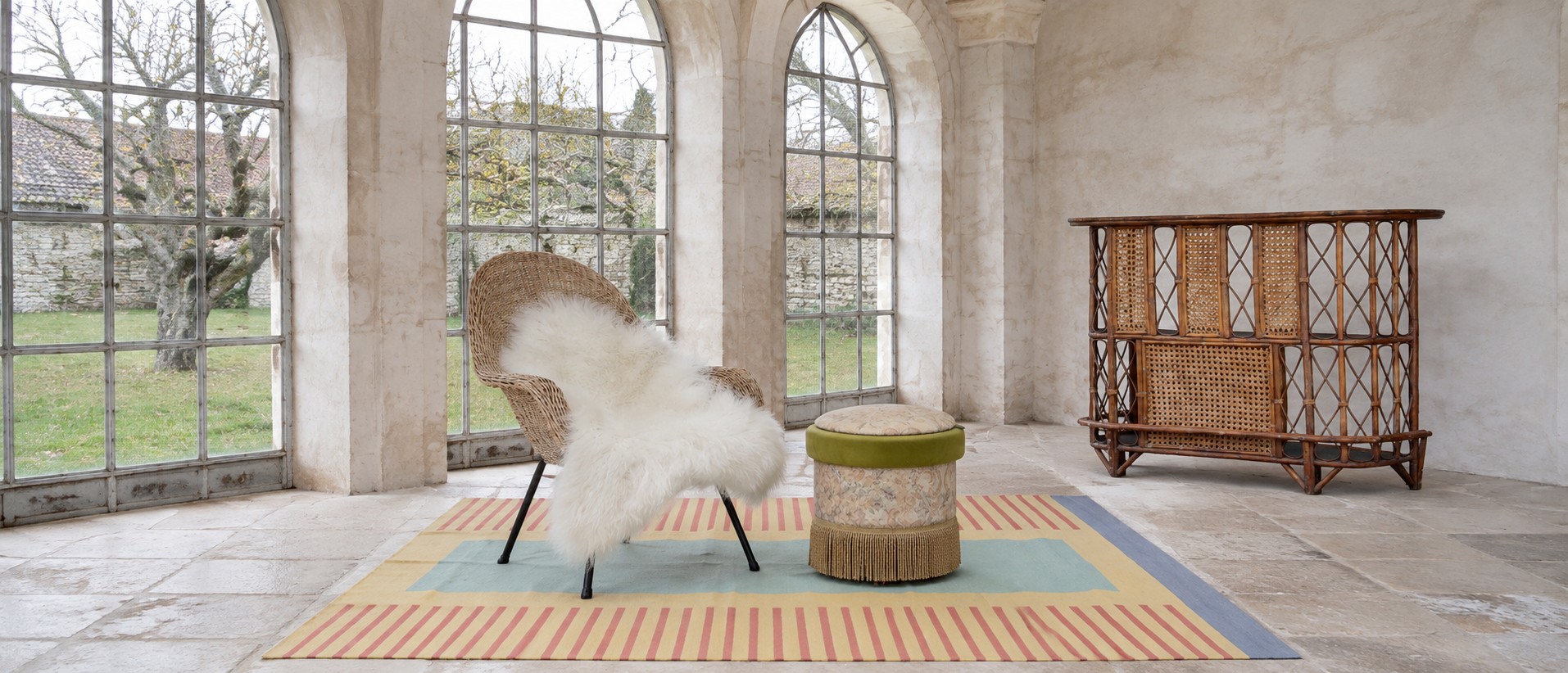
In this photo: 1960s Dutch Wicker Bucket / Basket Chair with Icelandic Sheepskin – 2 (€ 445) · Vintage hand-woven wool kilim / flatweave rug, 1970s–80s (€ 375) · Vintage sewing pouffe with storage – tapestry and fringe, 1960s–70s (€ 95) · French freestanding rattan bar from the 1970s (€ 1.095)
How would De Huiszwaluw use bohemian?
We would start with a rug and a chair. The Dutch wicker bucket chair from the 1960s, with a long-haired white Icelandic sheepskin, stands on a handwoven kilim in soft yellow, greyed blue, light turquoise and coral red. That is almost a room already.
Next to it a small table and a basket: something to put a cup on and something to fill the corner. The table with the elephant and the banana leaf floor basket do that without asking for much space.
On a bench or windowsill we put carving and wickerwork together, such as the pair of wooden antelopes with bone horns and the wicker fruit bowl on a foot. Feel free to leave the bowl empty; the form is enough.
Below you can see the bohemian pieces currently in our collection. Stock changes; pieces that have been sold can be found under ‘Previously in our collection’.
Now in our collection: bohemian
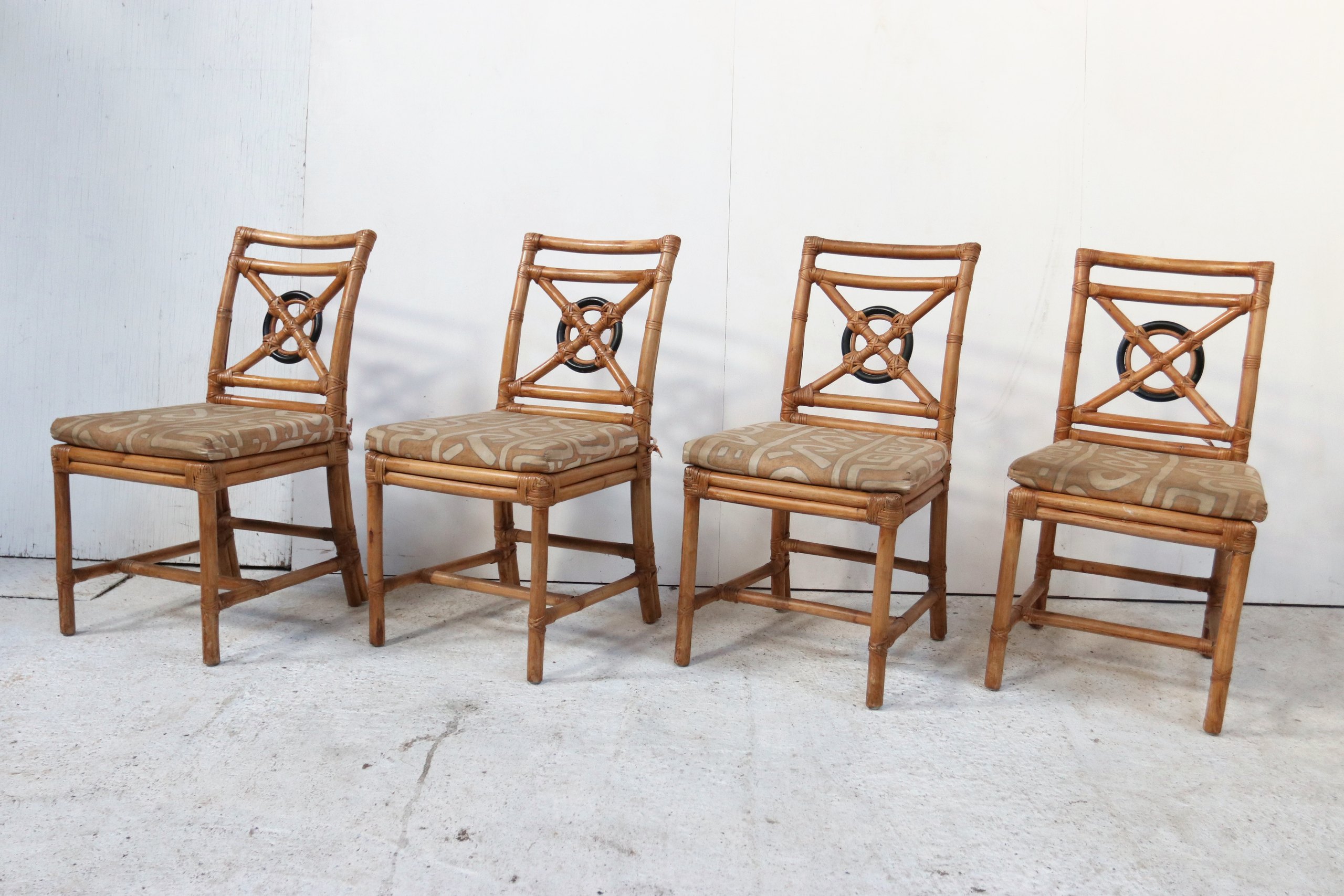 Set of 4 rattan dining chairs with Target back – McGuire style€ 345 voor de set van 4
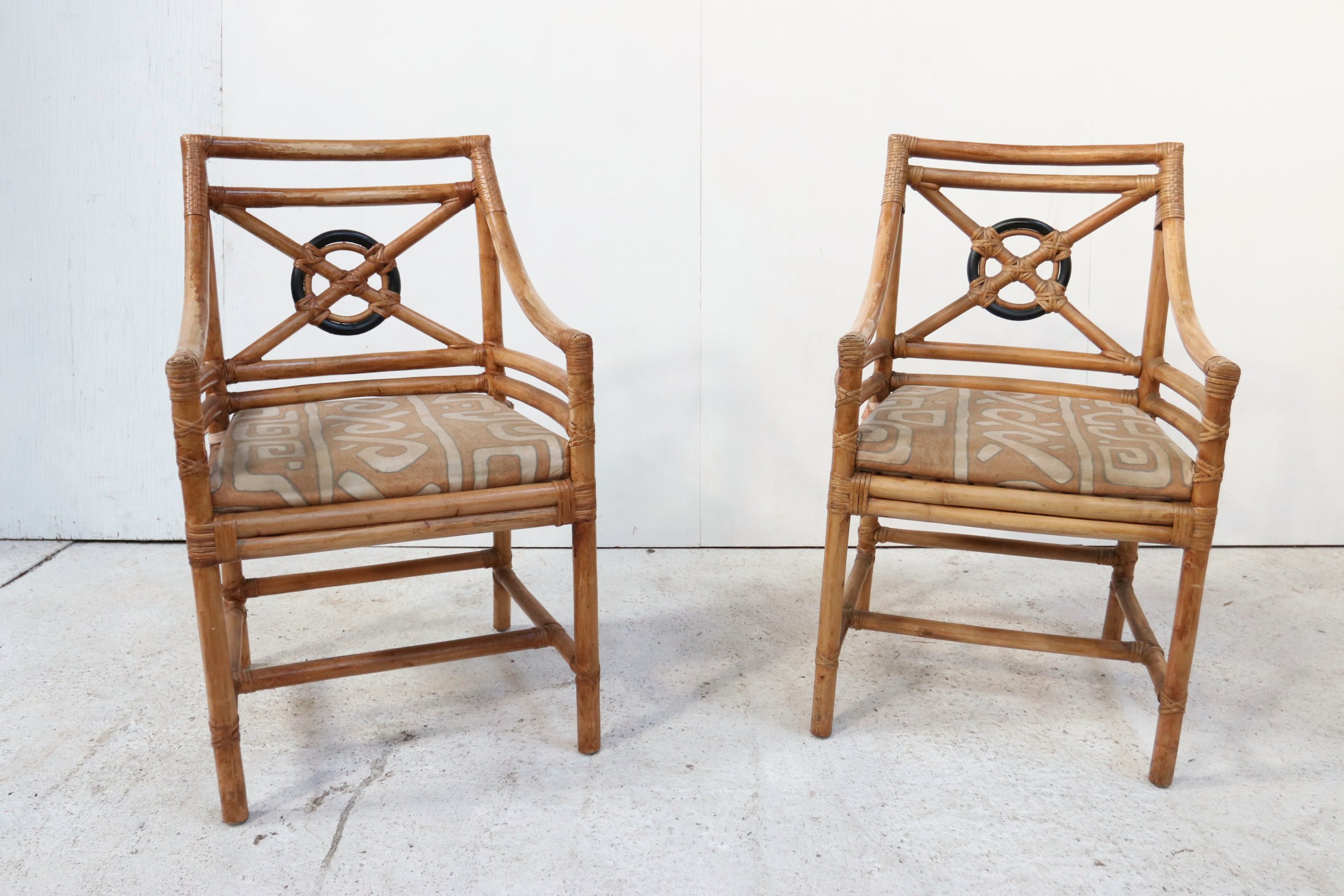 Pair of rattan armchairs with Target back – McGuire style€ 395 per pair
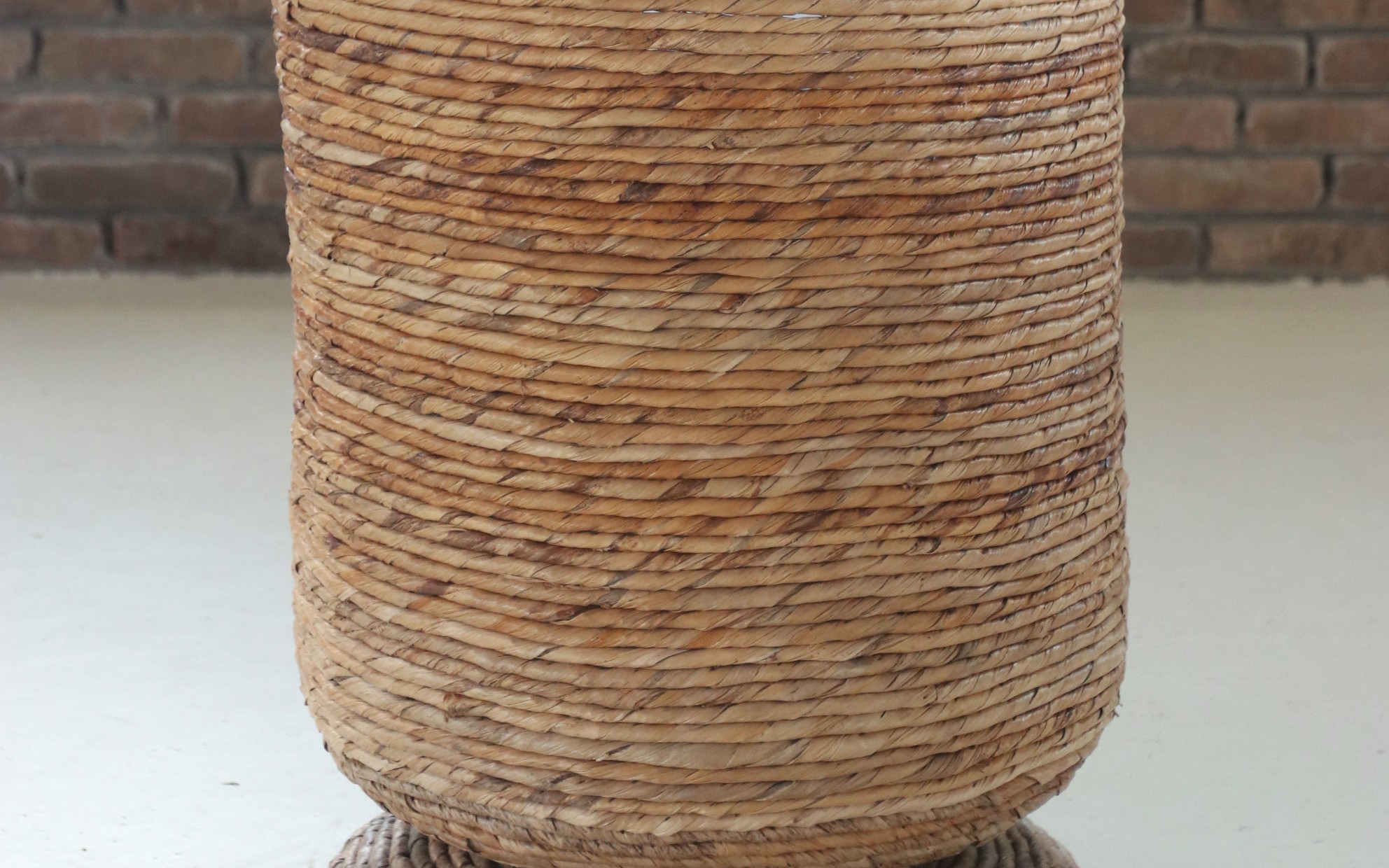 Banana leaf planter on foot – woven vase, contemporary€ 75
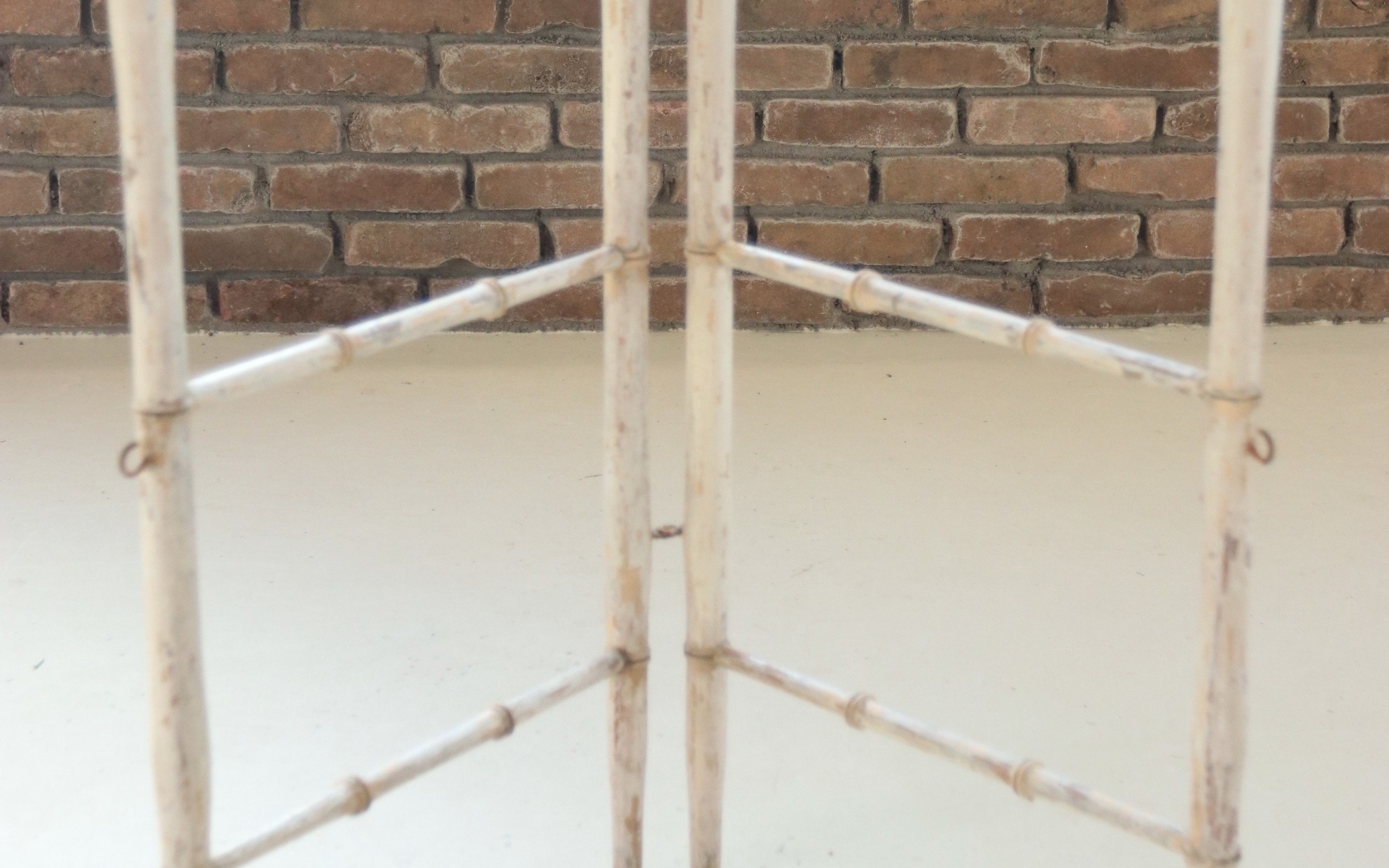 Faux bamboo towel rail – white painted wood, c. 1900–1930€ 95
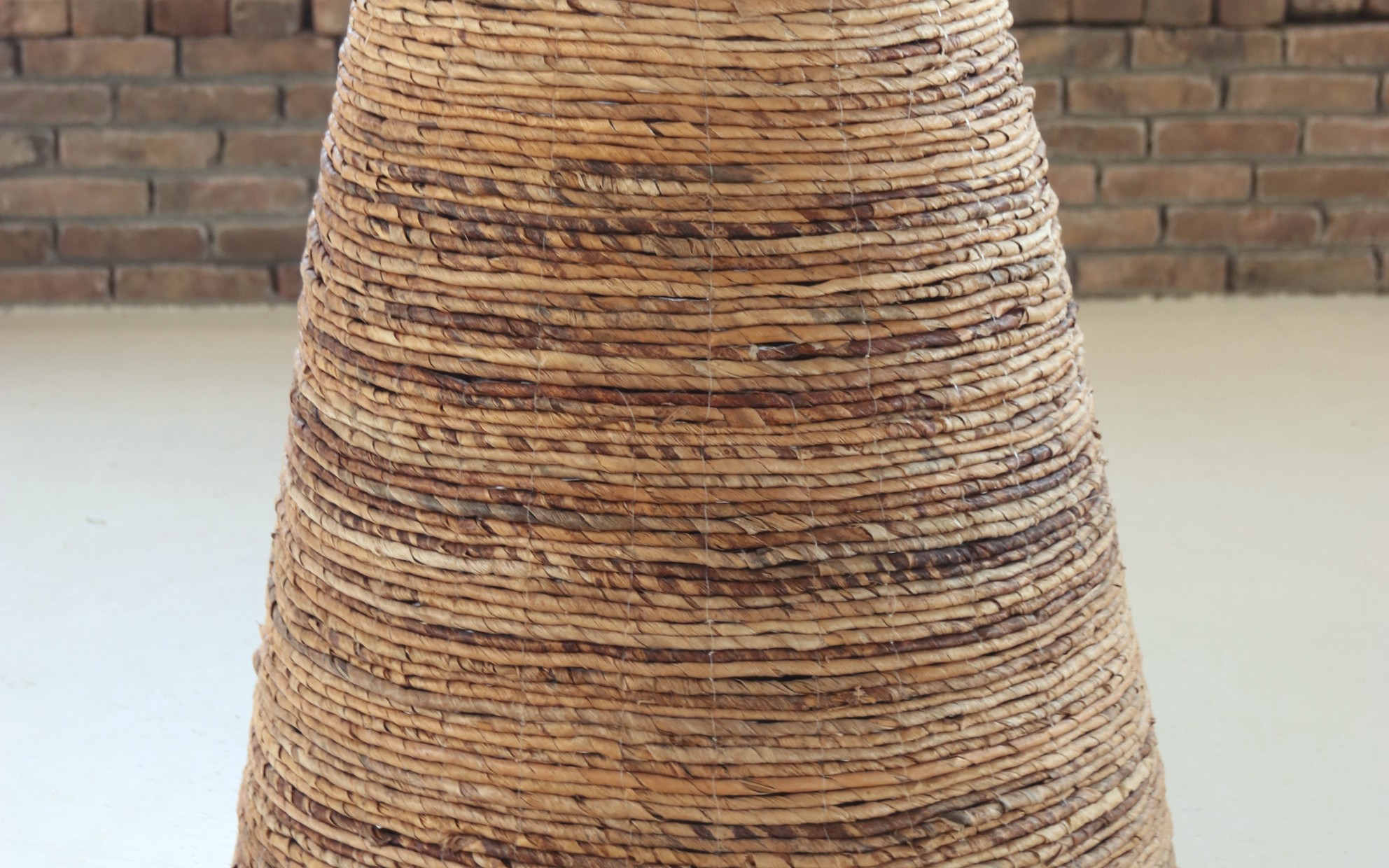 Large banana leaf floor basket – conical shape, 81 cm, recent€ 95
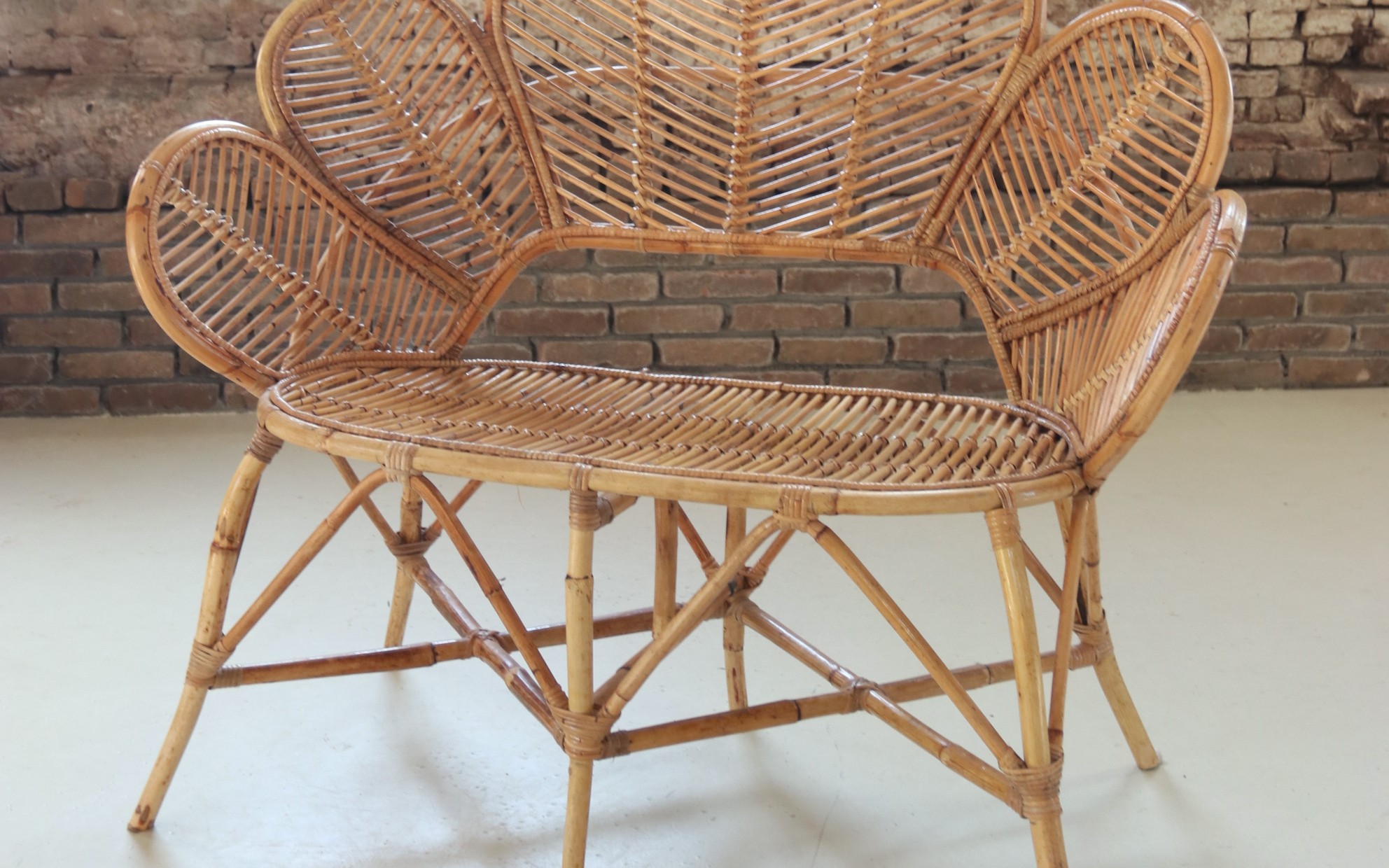 Rattan bench with petal-shaped back – two-seater, recent, in vintage style€ 100
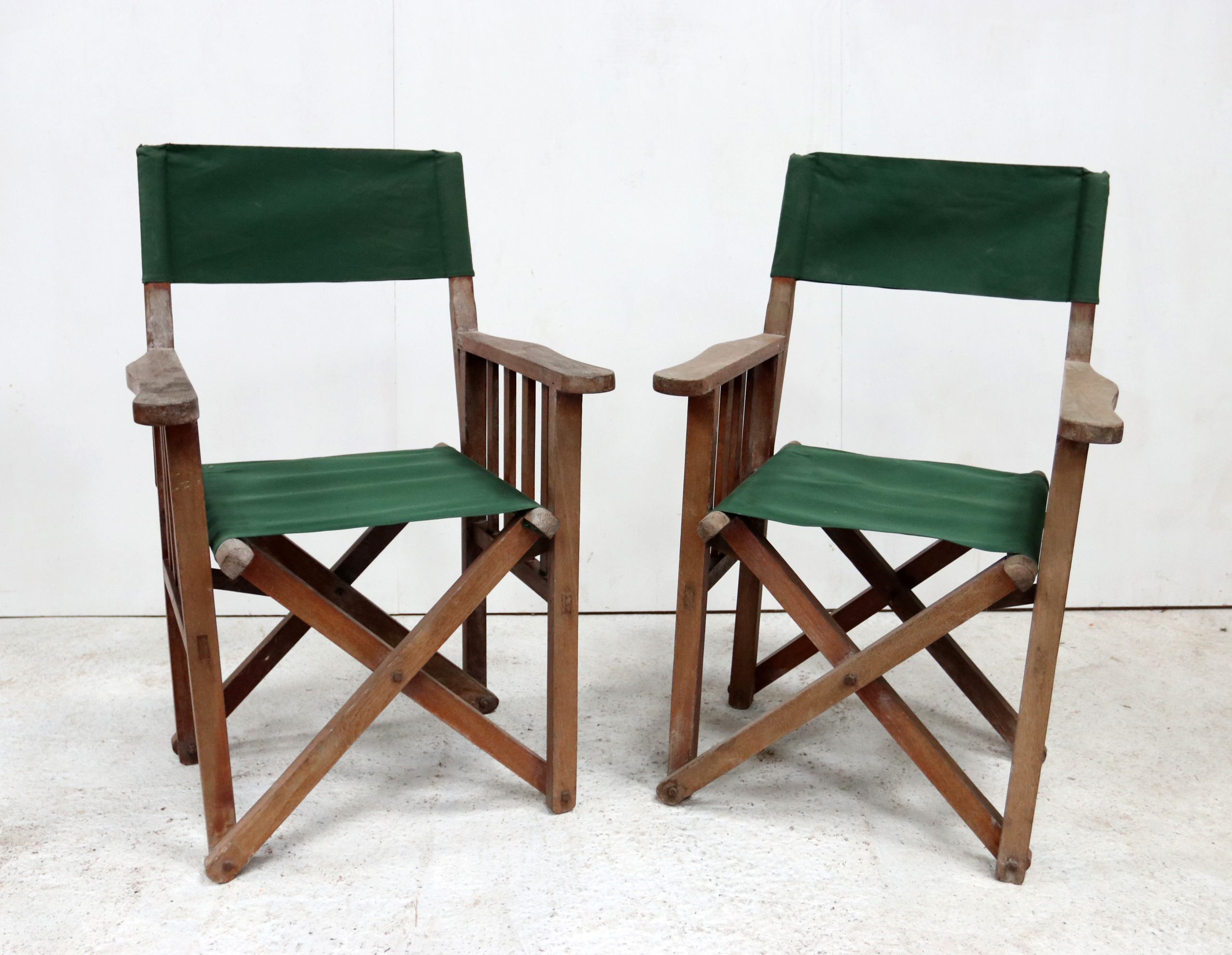 Set of 2 wooden director’s chairs – green canvas, folding, vintage€ 295 voor de set van 2
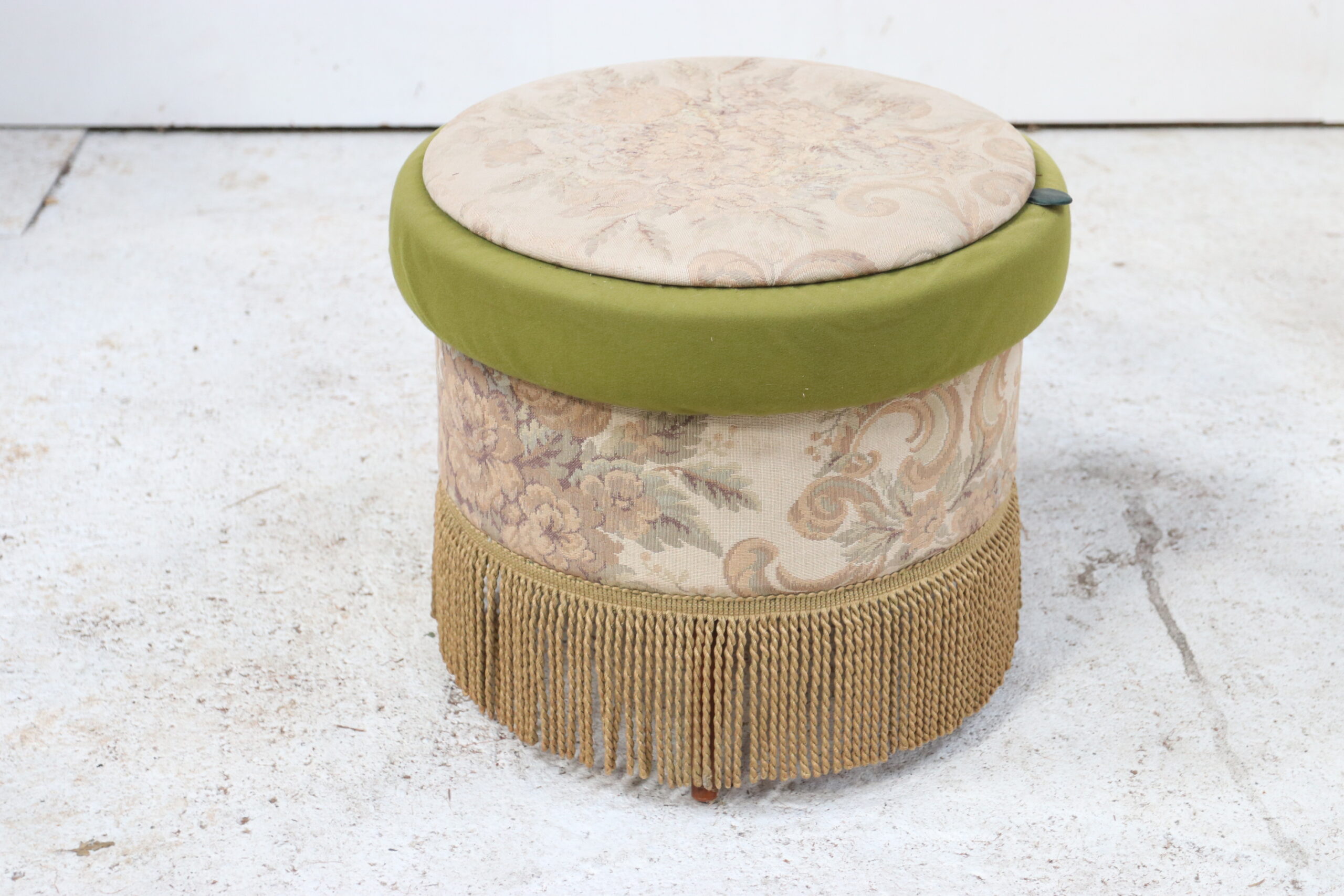 Vintage sewing pouffe with storage – tapestry and fringe, 1960s–70s€ 95
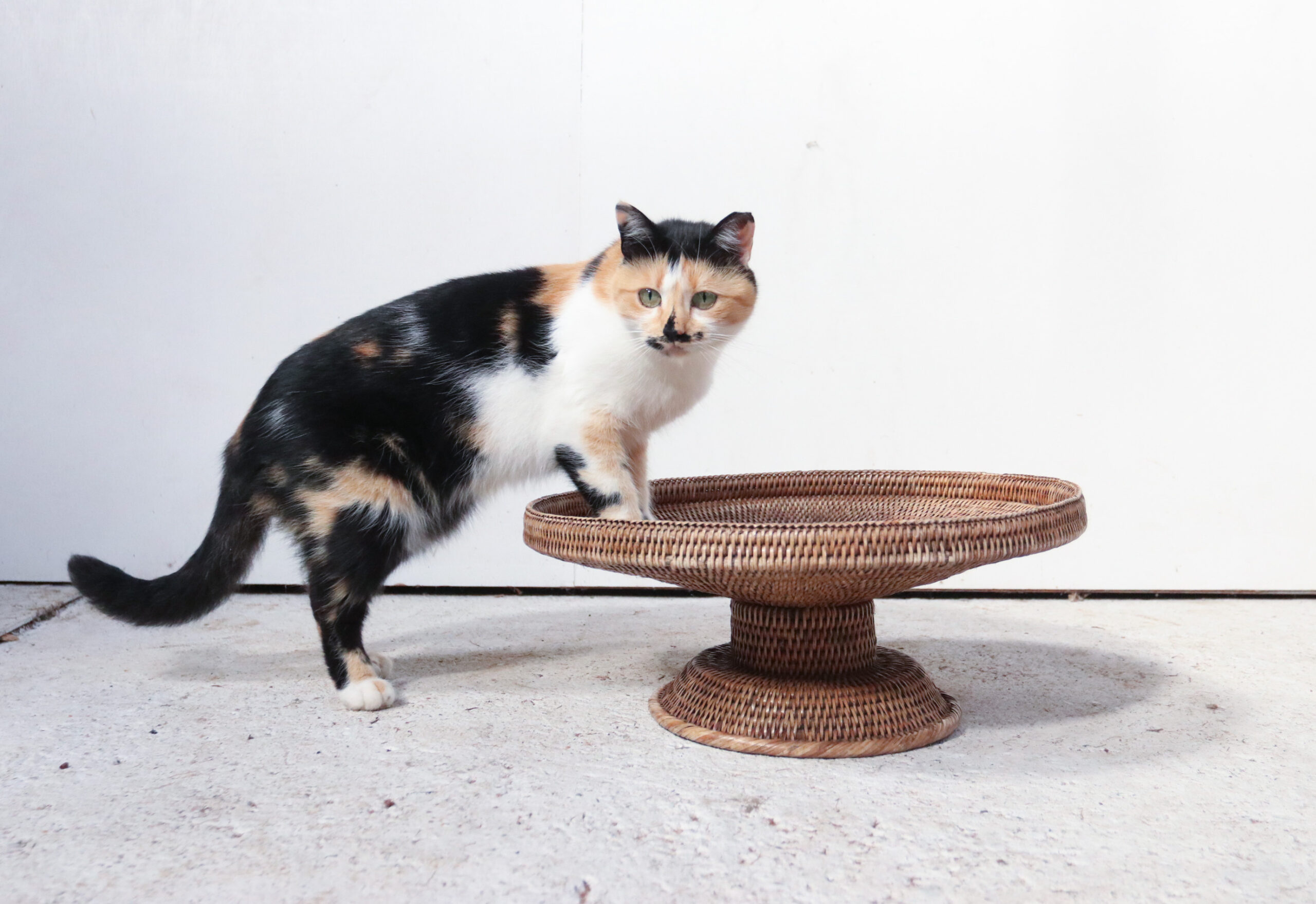 Wicker fruit bowl on foot – hand-woven rattan, vintage€ 65
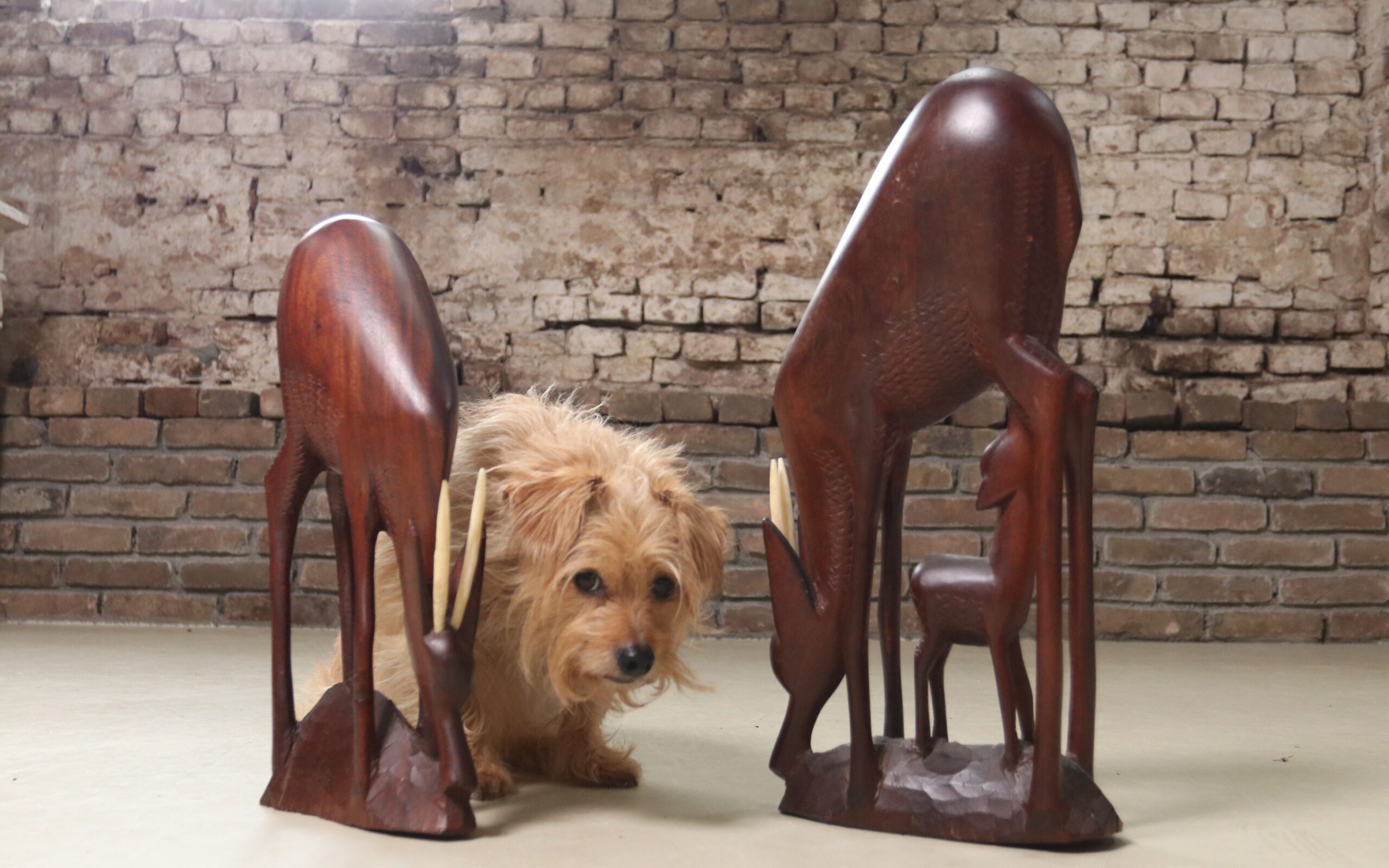 Pair of wooden antelopes with calf – East African wood carving with bone horns, mid-20th century€ 125 (samen)
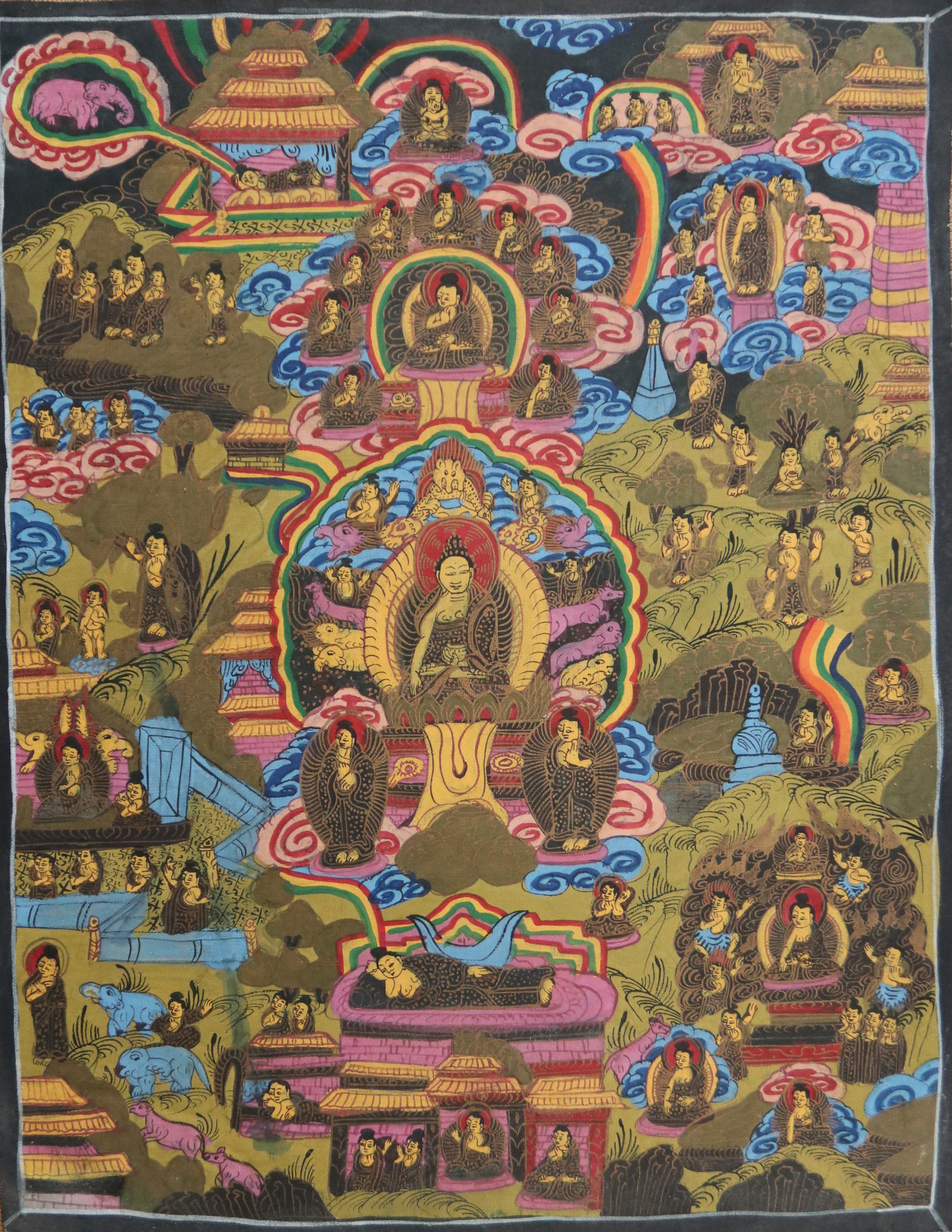 Thangka ‘The Life of Buddha’ – hand-painted, Nepal, second half 20th century€ 75
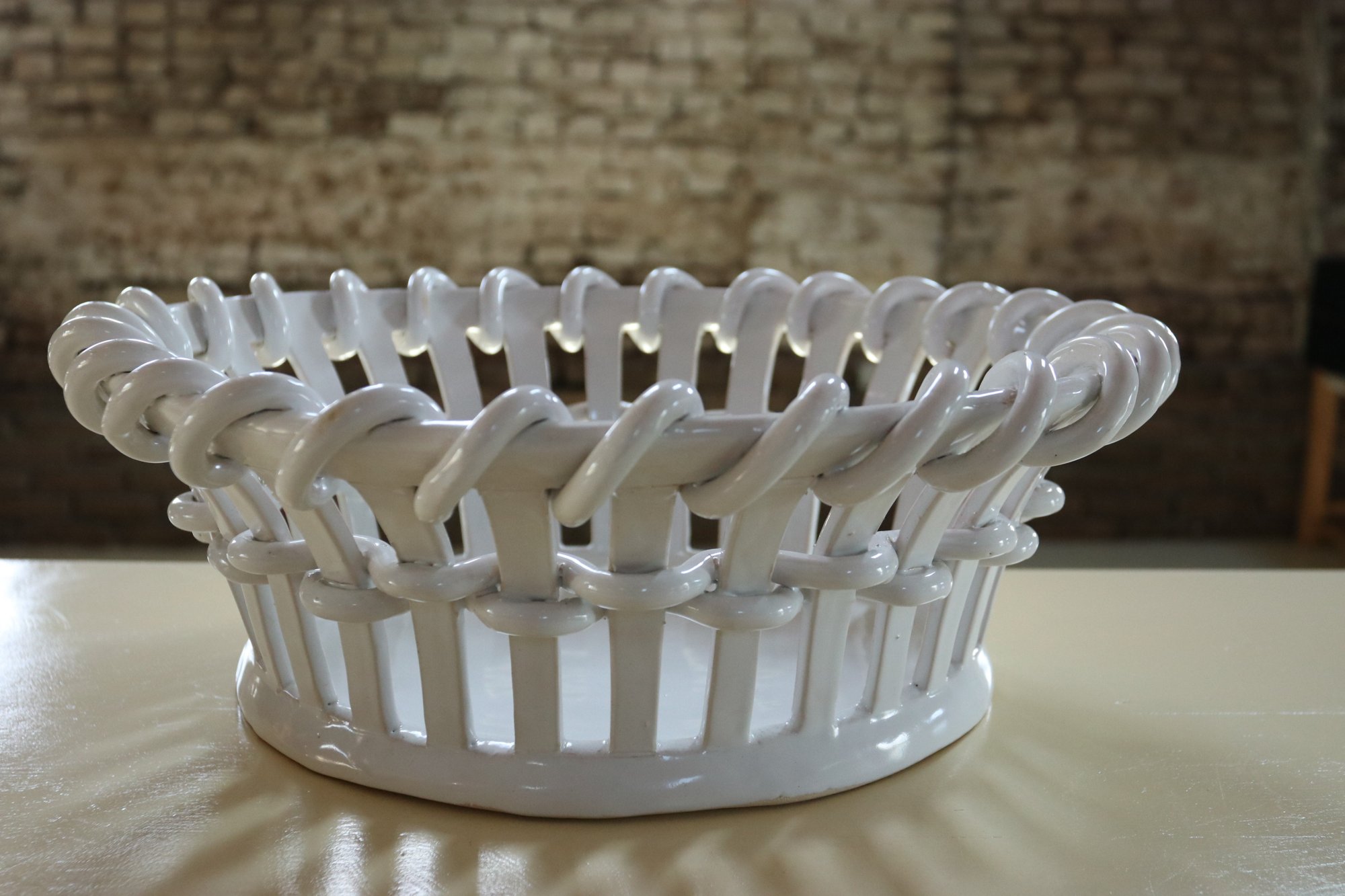 Woven basket in white earthenware – attributed to Émile Tessier, Malicorne€ 175
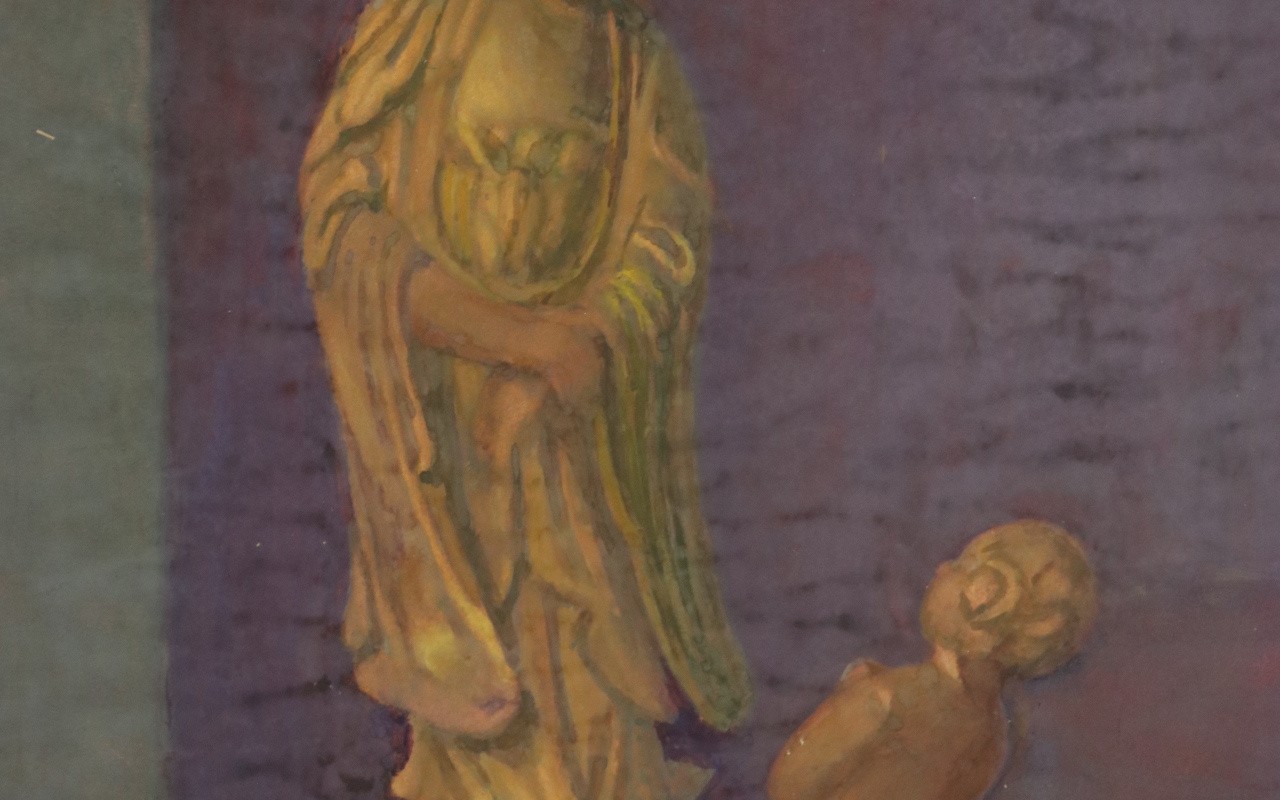 Gouache with gilt Guanyin figures in a niche – monogram VK, 20th century€ 125
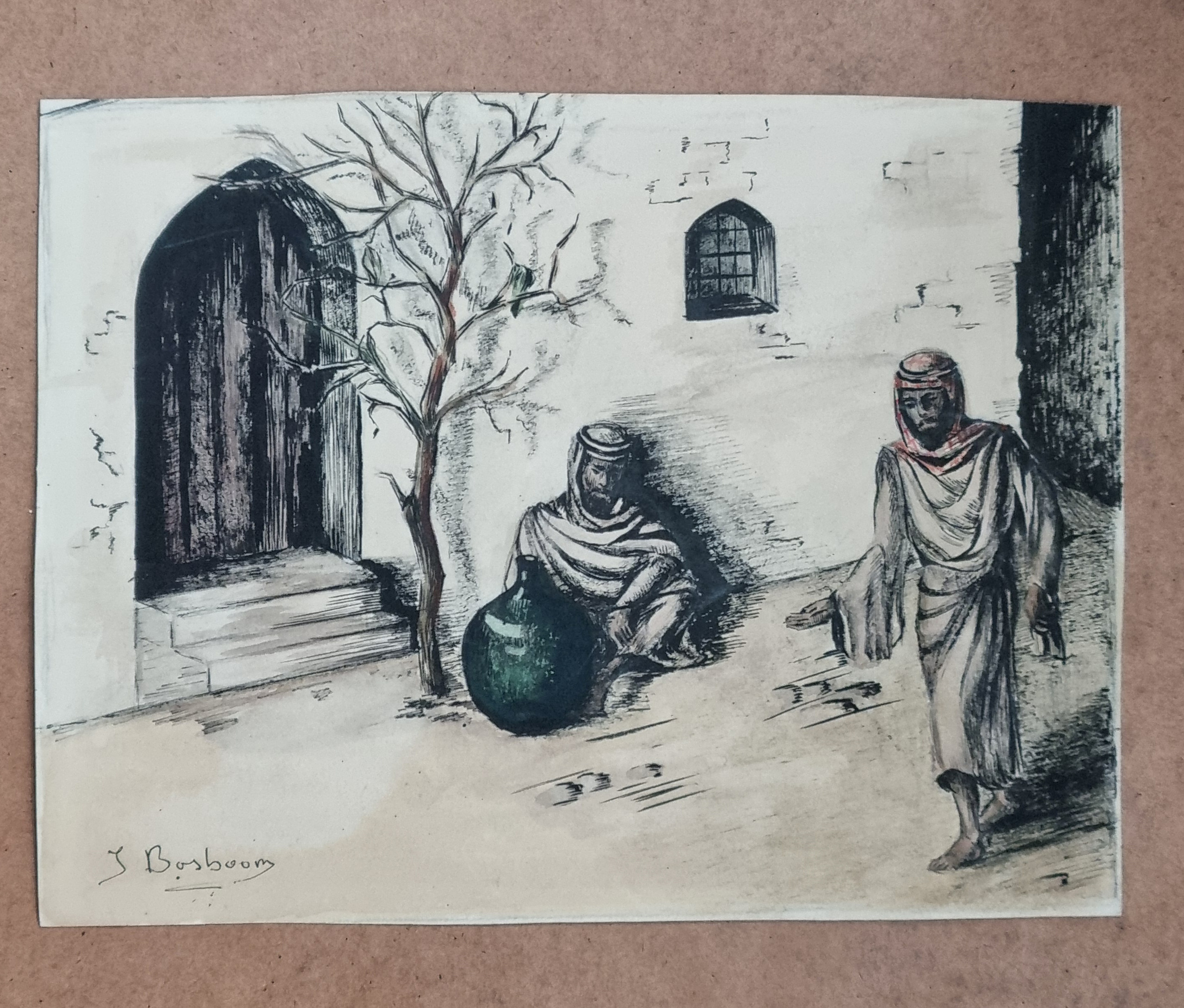 Pen and ink drawing of an oriental street scene – signed J. Bosboom, 20th century€ 75
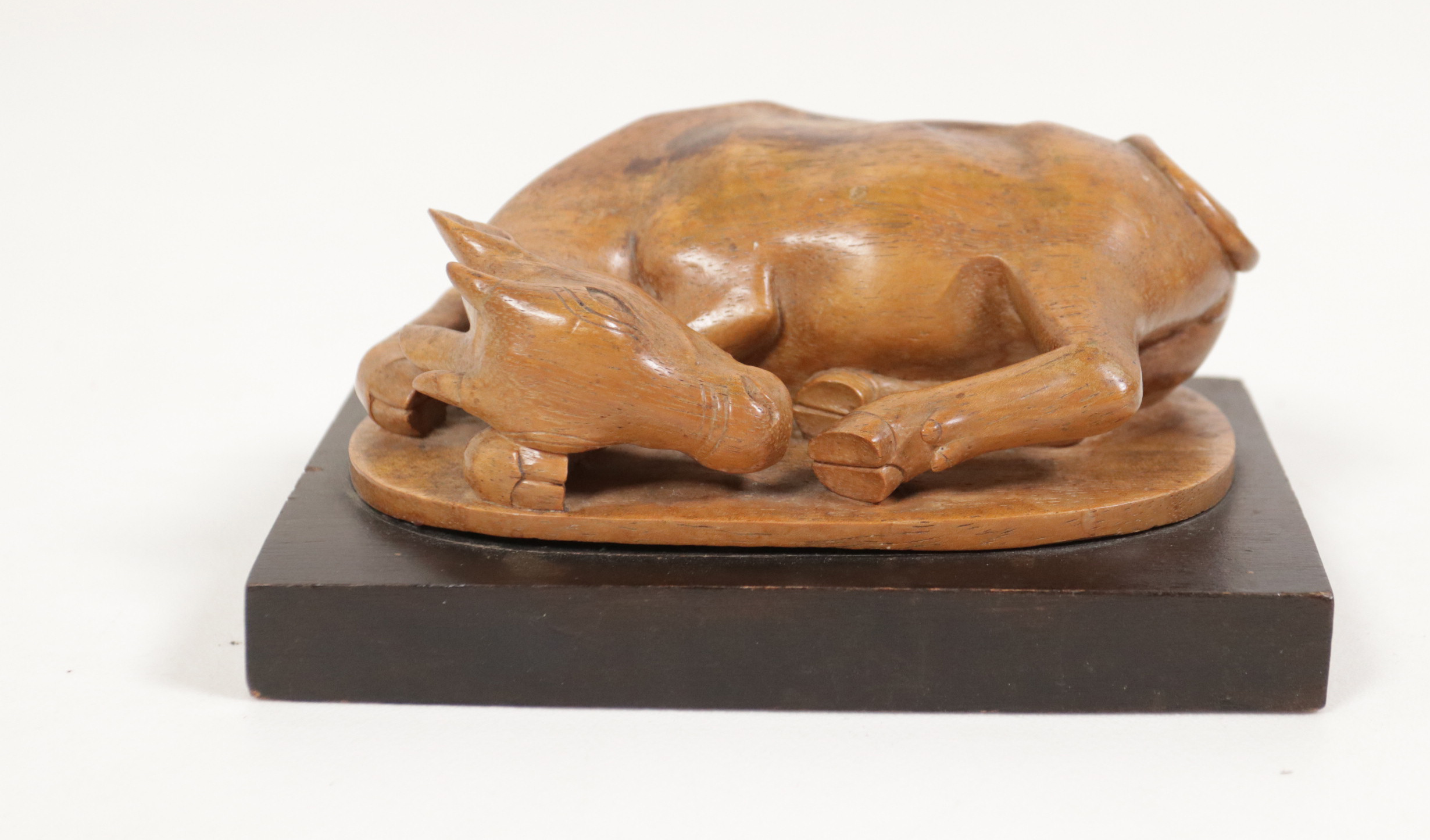 Balinese Art Deco wood carving of a sleeping fawn with original sales label – Pita Maha period, 1930s
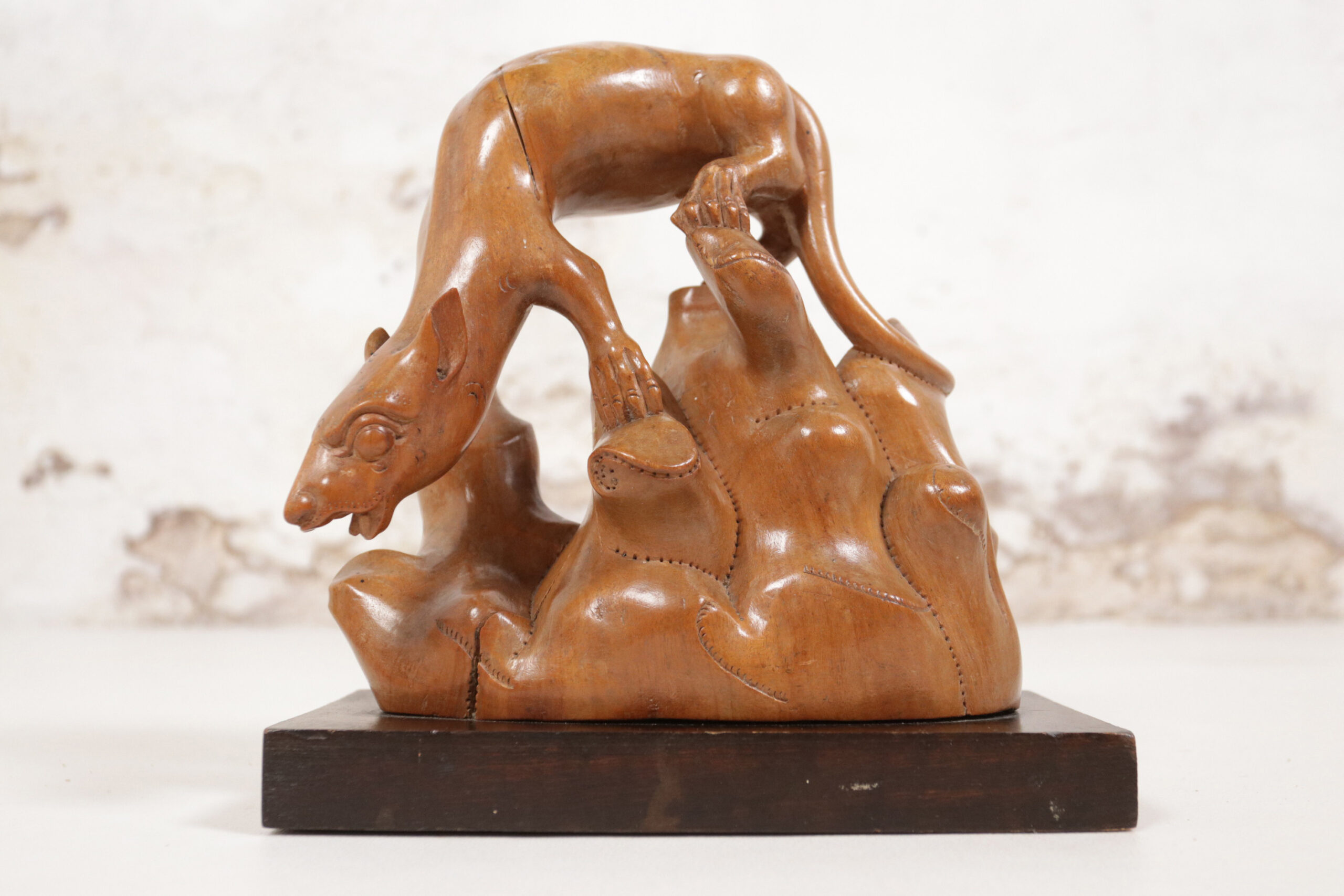 Balinese Art Deco wood carving of a luwak (palm civet) with original sales label – Pita Maha period, 1930s
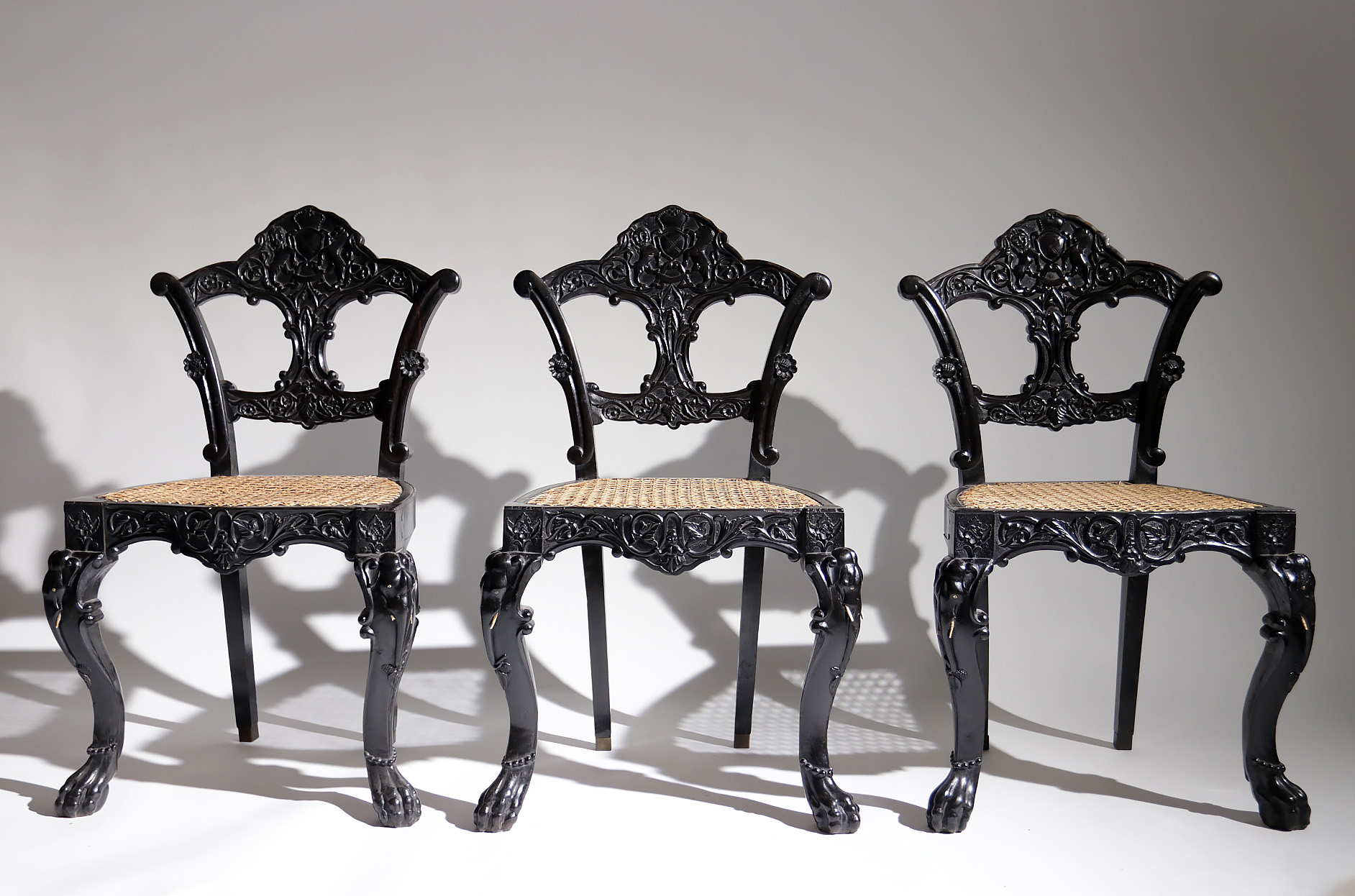 Set of 4 solid ebony Anglo-Indian chairs – Rococo Revival, Ceylon, 19th century€ 4.795
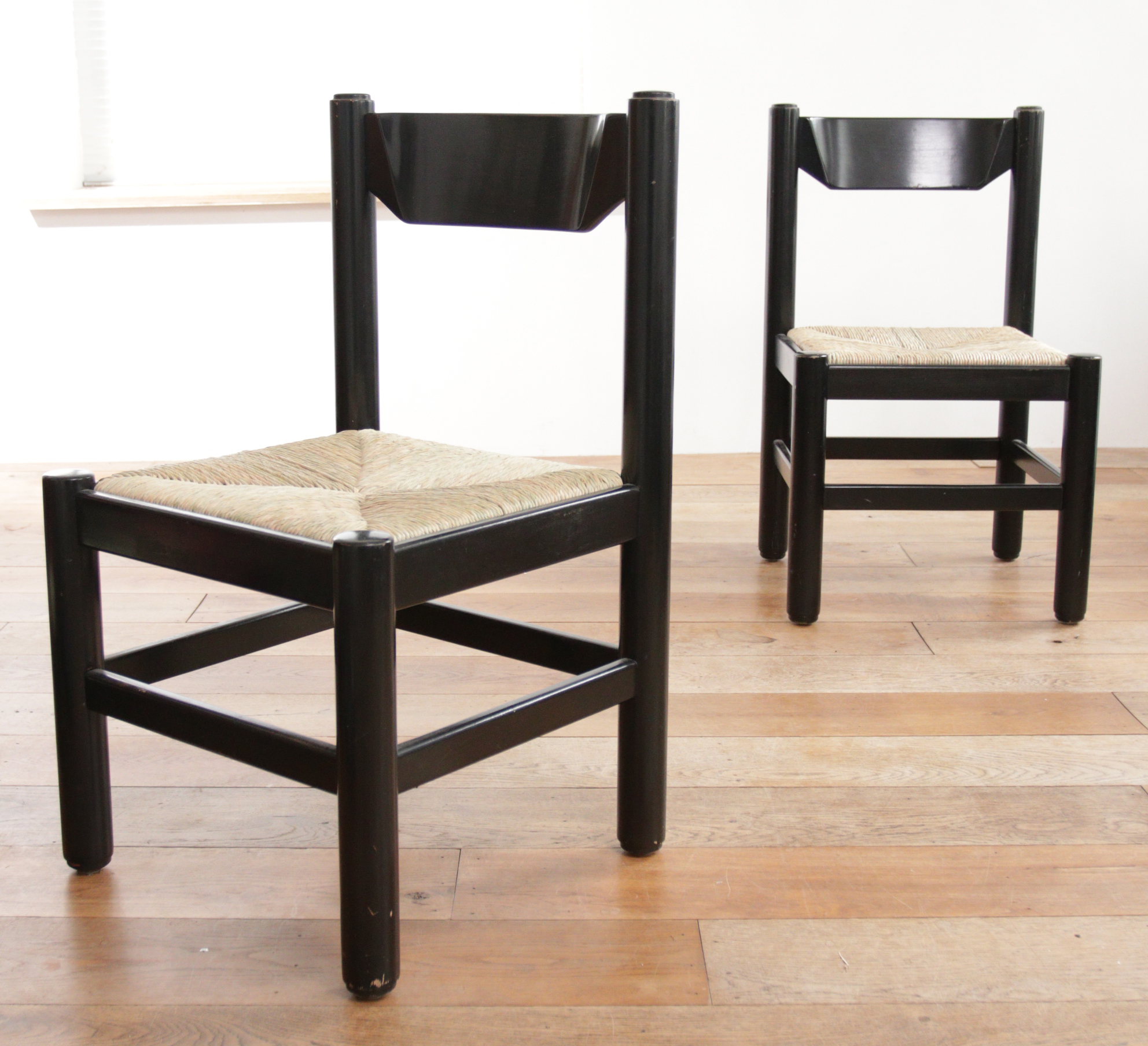 Set of 2 black rush dining chairs – Vico Magistretti / Charlotte Perriand style, 1970s€ 595
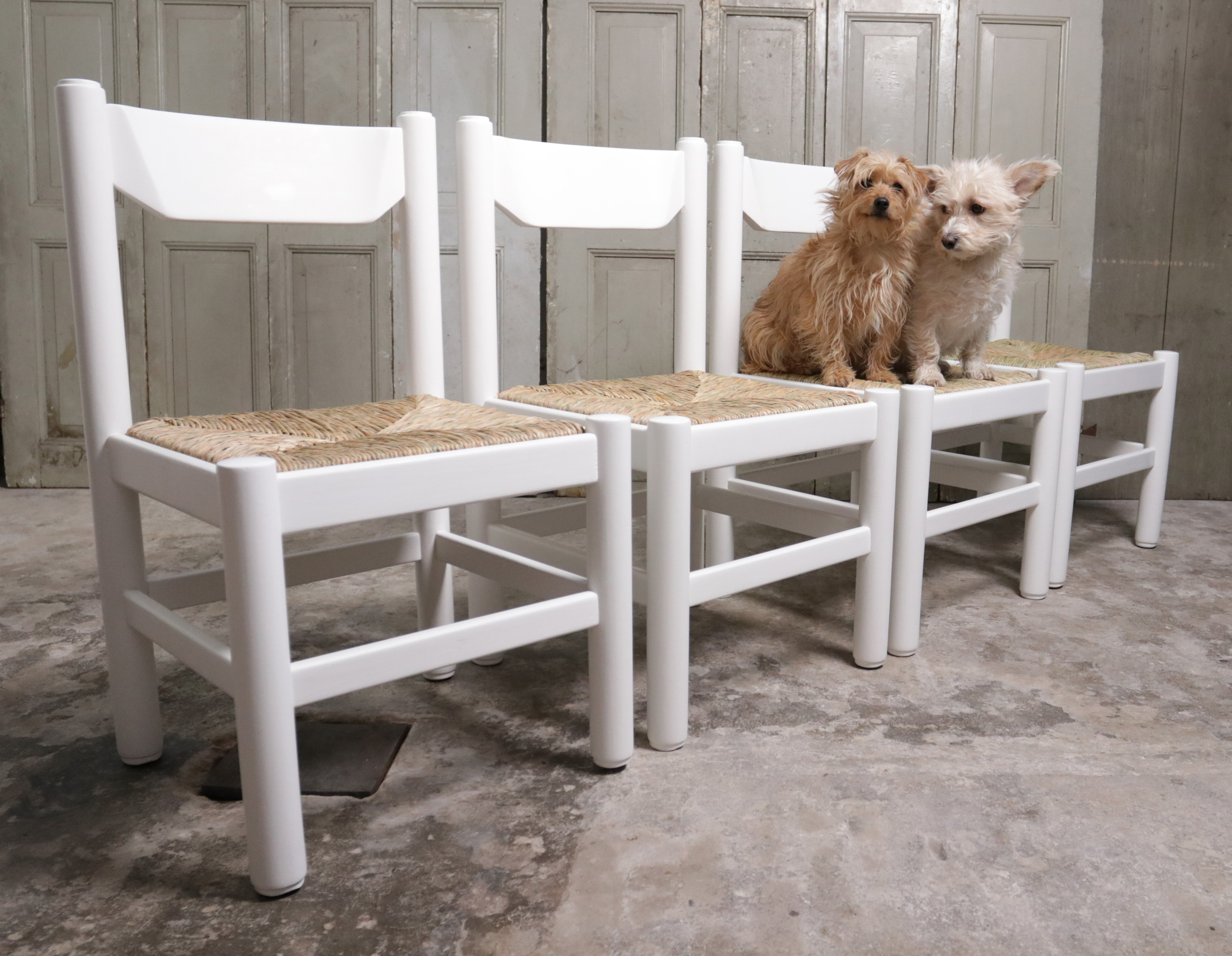 Set of 4 white rush dining chairs – Vico Magistretti / Charlotte Perriand style, 1970s€ 995
 Decorated antique side table with elephant€ 245
 Vintage hand-woven geometric rug, 1970s–80s€ 375
 Vintage hand-woven wool kilim / flatweave rug, 1970s–80s€ 375
 Large sculptural burr wood coffee table – circa 1970€ 945
 French freestanding rattan bar from the 1970s€ 1.095
 Set of 4 white bistro chairs with bouclé seats – warm & timeless€ 200 per set van 4
 Boho-chic heated seat cushion with high seating comfort: holiday feeling indoors and outdoors€ 89
 Ibo-Izzi, Nigeria, Old ‘Ogbodo Enyi’ Elephant Mask€ 1.795
 Old African stool inlaid with beads€ 250
 Indonesian Temple – Maria Tjui (Indonesian, 1934–2017)€ 450
 Heavy Copper Ekonda Anklet Currency, Mongo, 19th Century€ 245
 Barsony Duron Era Table Lamp, Ethnic African Couple in Canoe, 1950s€ 195
 1960s Dutch Wicker Bucket / Basket Chair with Icelandic Sheepskin – 2€ 445
 Boho-style folding tables, bistro tables, terrace tables – green top, black frame€ 95 excl. VAT
 Vintage Boho Chic, Hollywood Regency, Double Lying Rams Coffee Table, 1980s€ 595
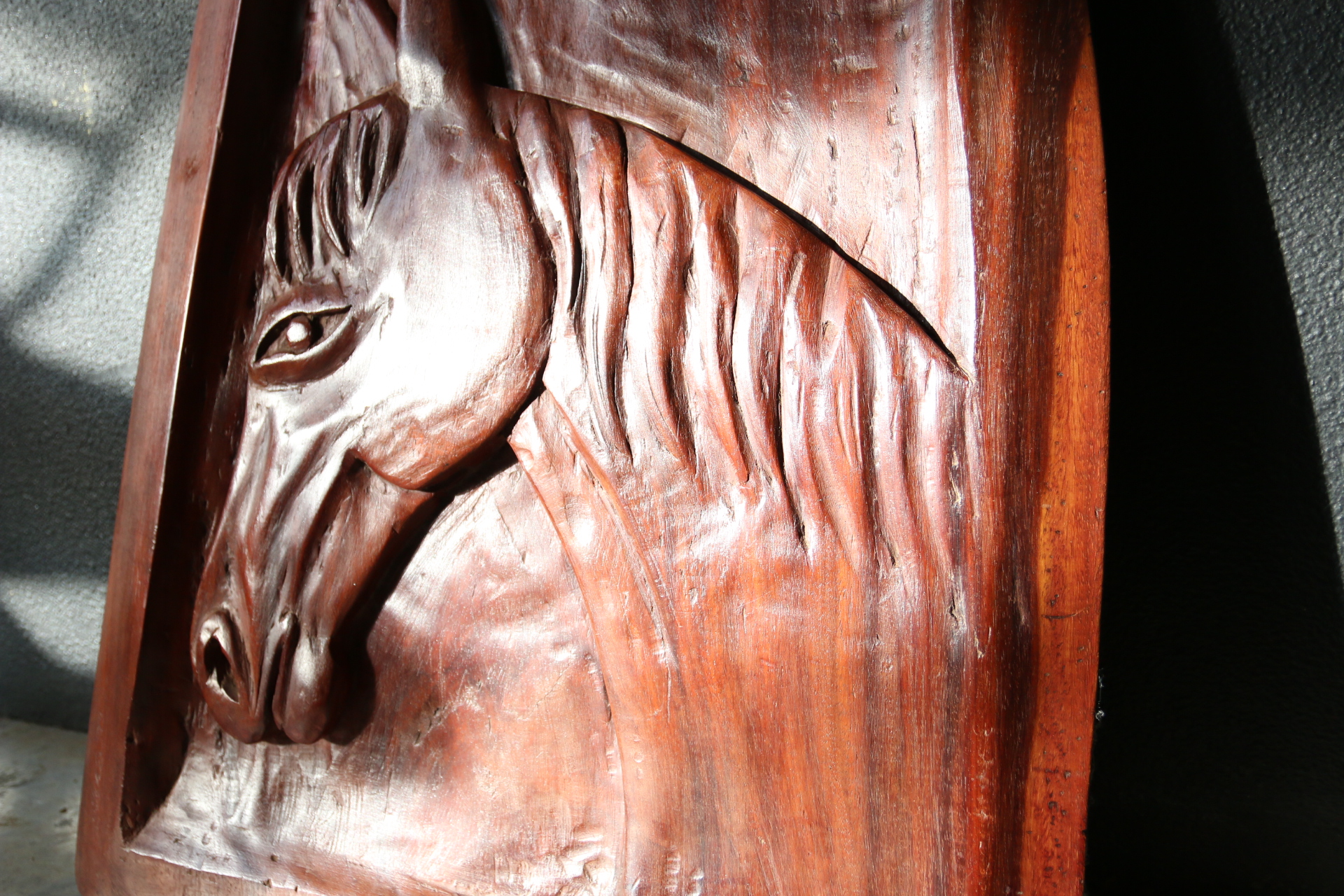 Vintage thick sculpture / wood carving, naive horse portrait€ 165
Read on about other styles
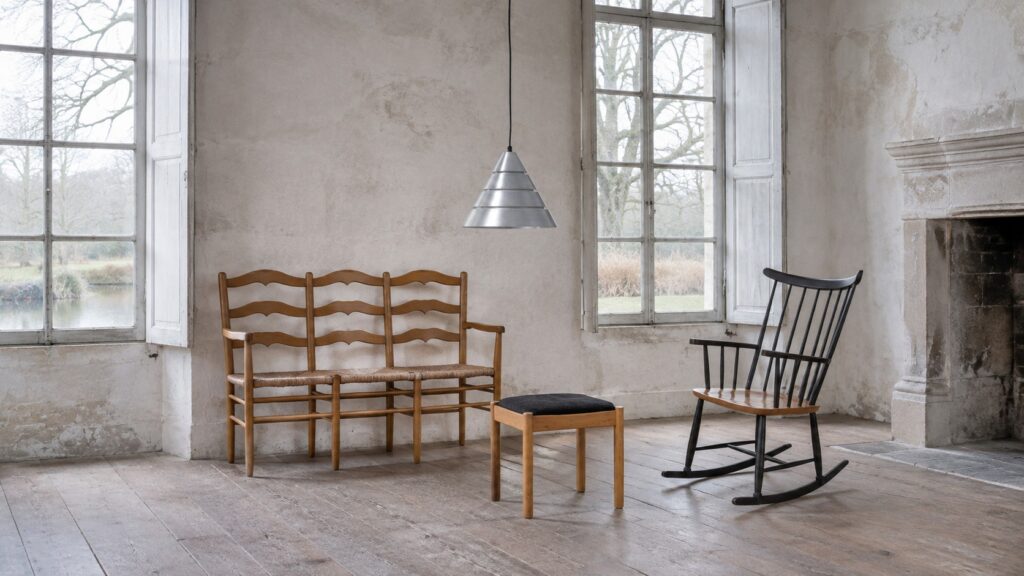 Scandinavian designScandinavian design at home: light wood, calm and simplicity
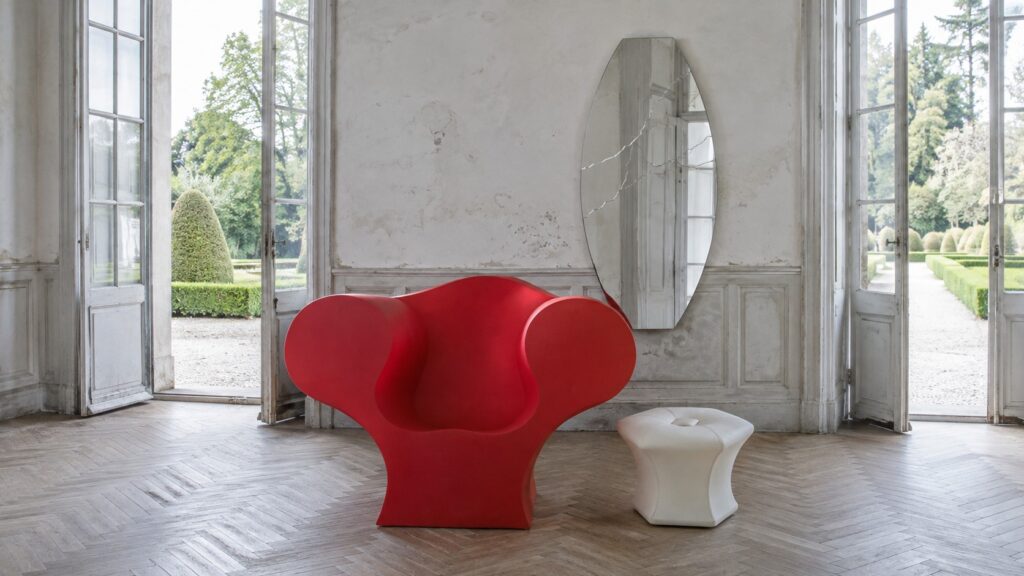 Postmodern & MemphisPostmodern & Memphis at home: colour, form and a wink
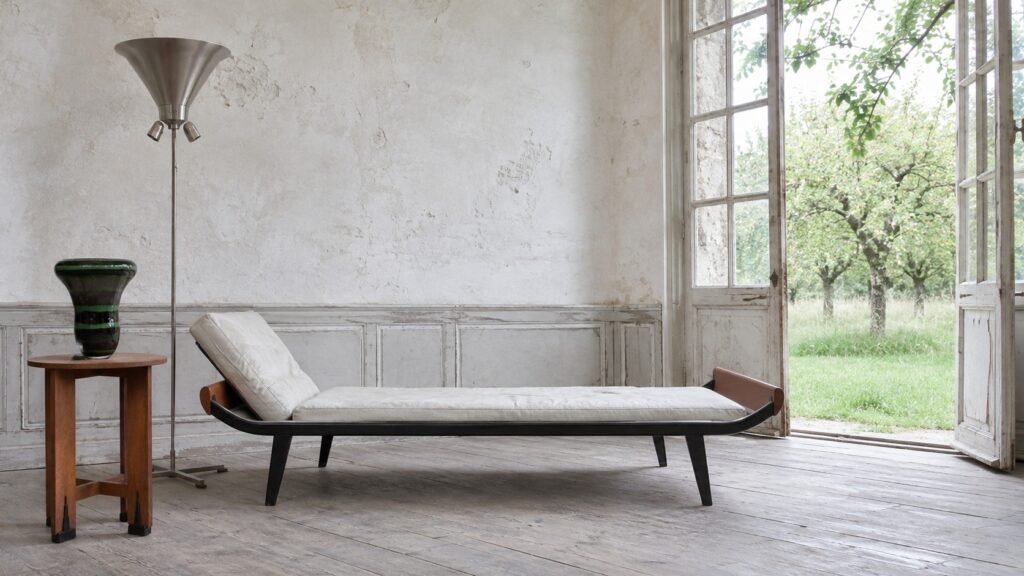 Dutch designDutch design at home: sober, clever and surprisingly warm
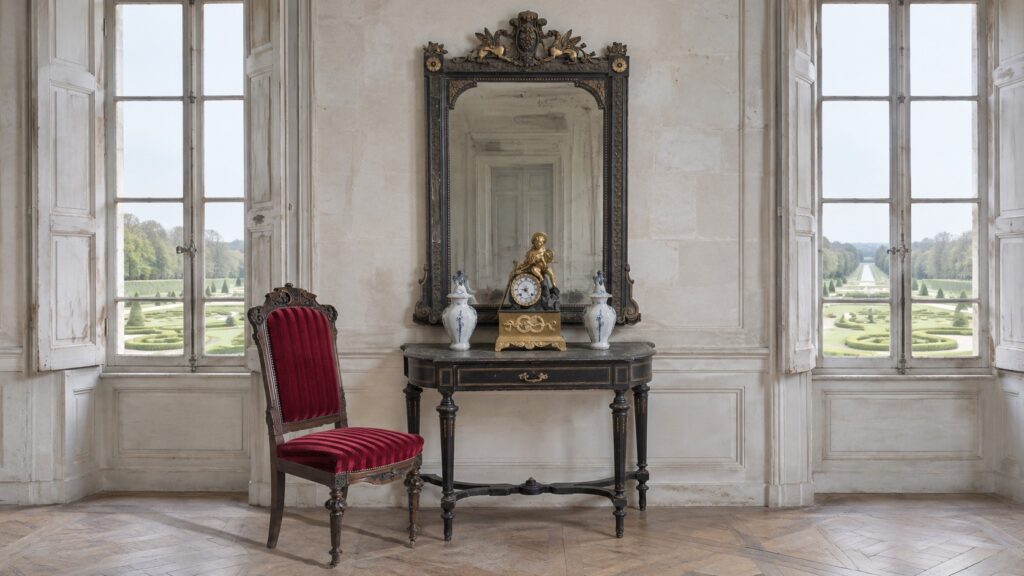 Classic antiquesClassic antiques at home: centuries old, and made to last
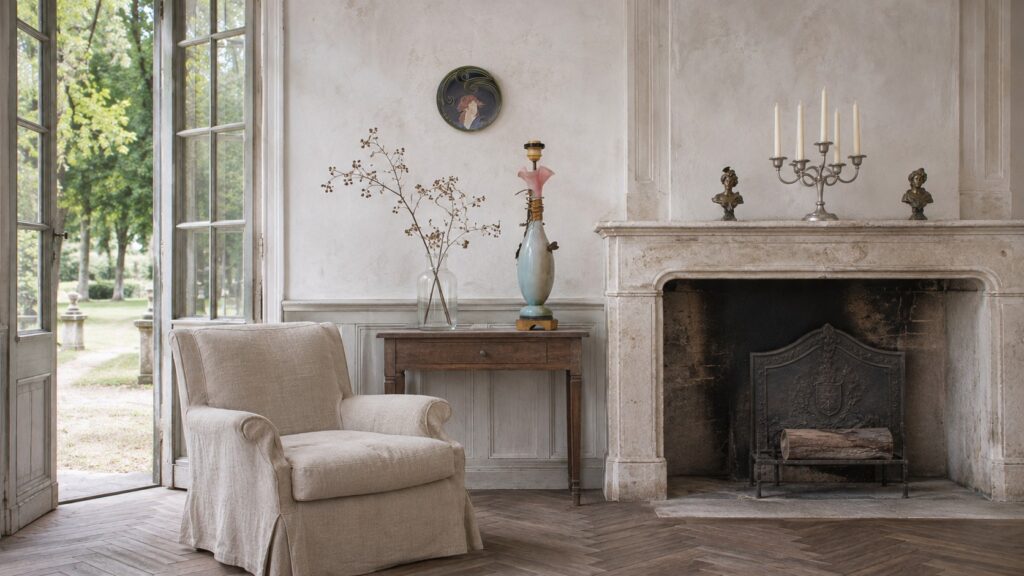 Art nouveauArt nouveau interior: lines that grow like plants
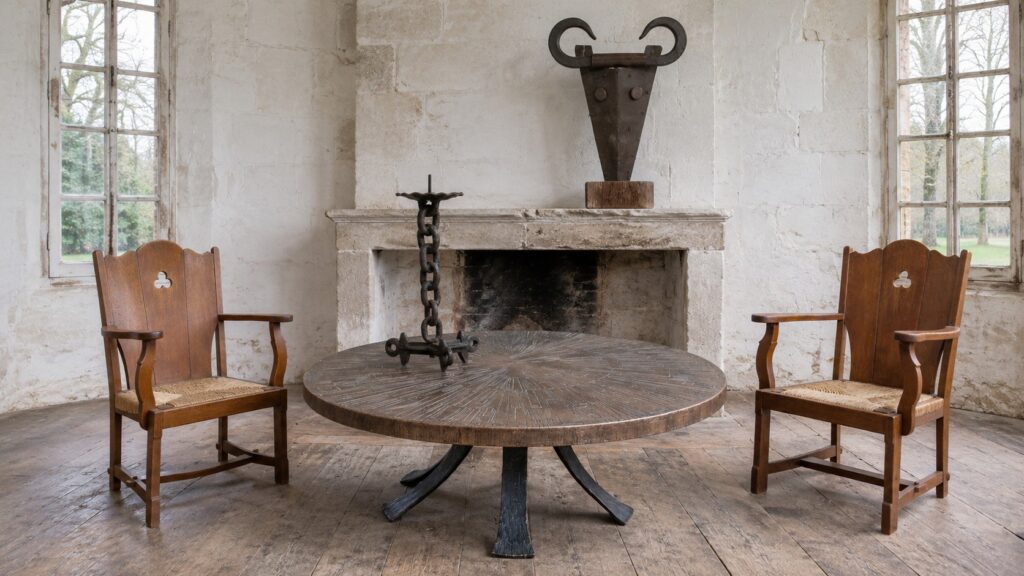 BrutalismBrutalism at home: heavy wood, raw iron and shapes with weight
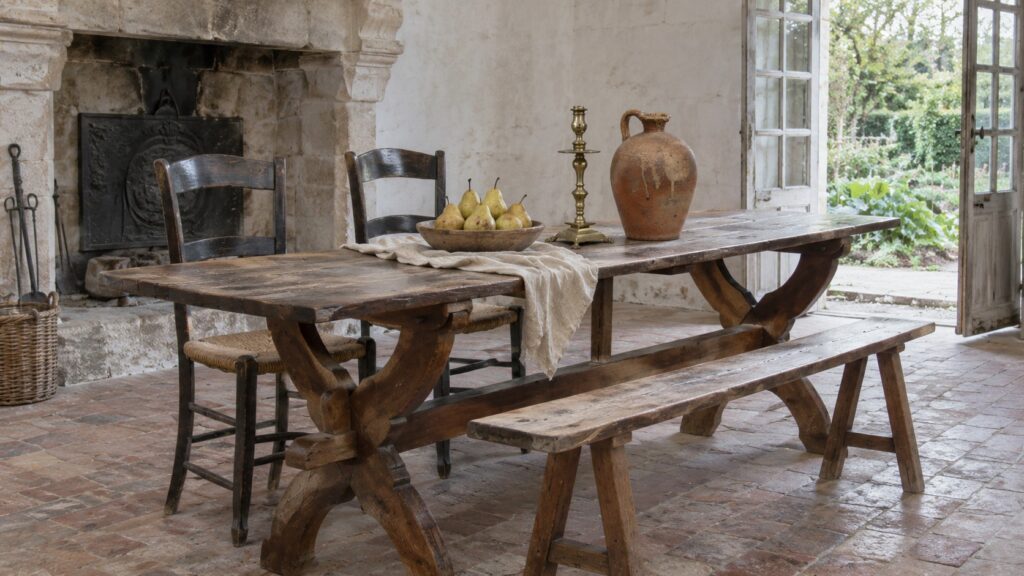 French countryFrench country living: wood, stone and the calm of country life
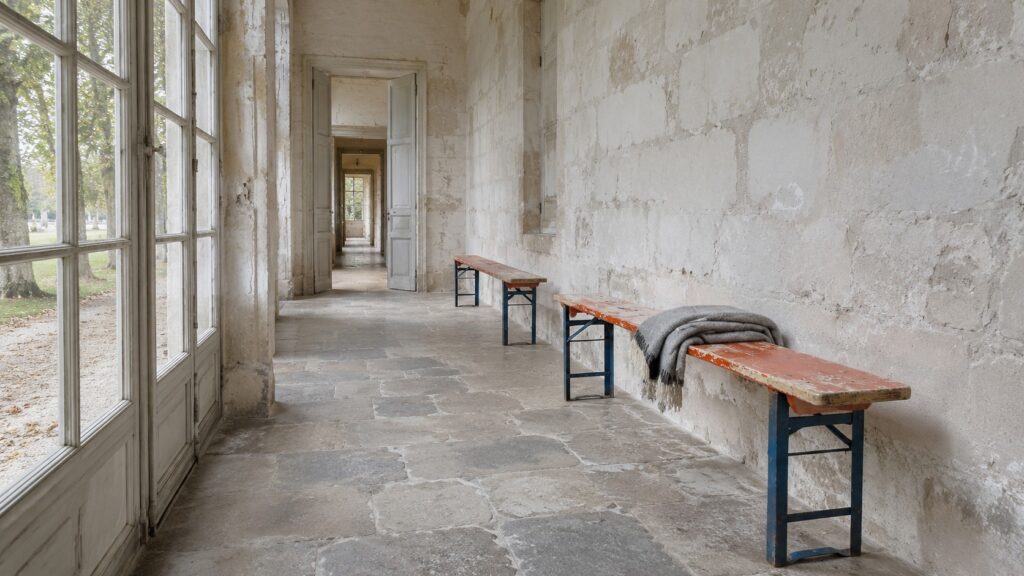 IndustrialIndustrial living: honest materials, clever shapes and a rough edge
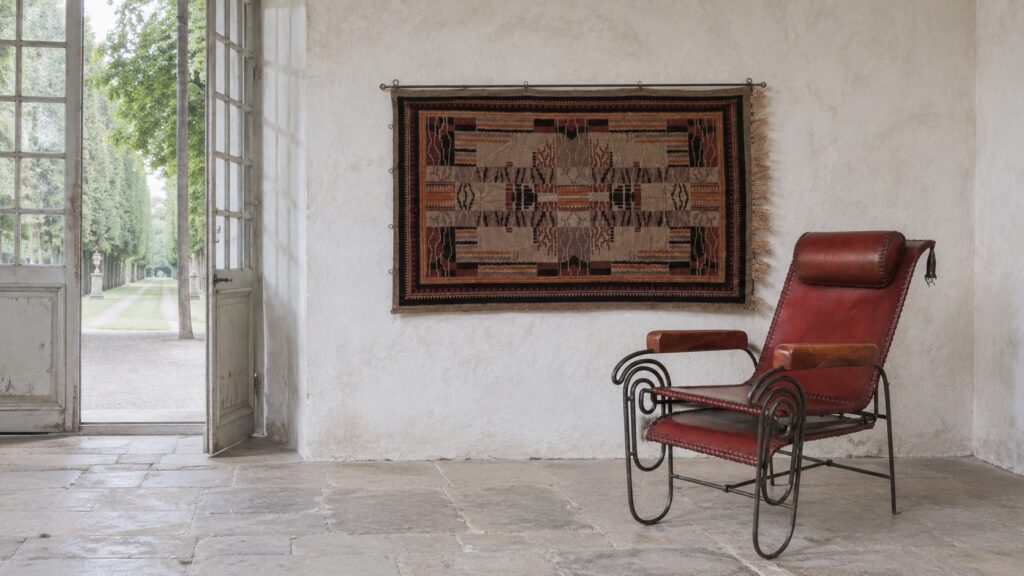 Art decoArt deco: clean lines, warm materials and a touch of daring
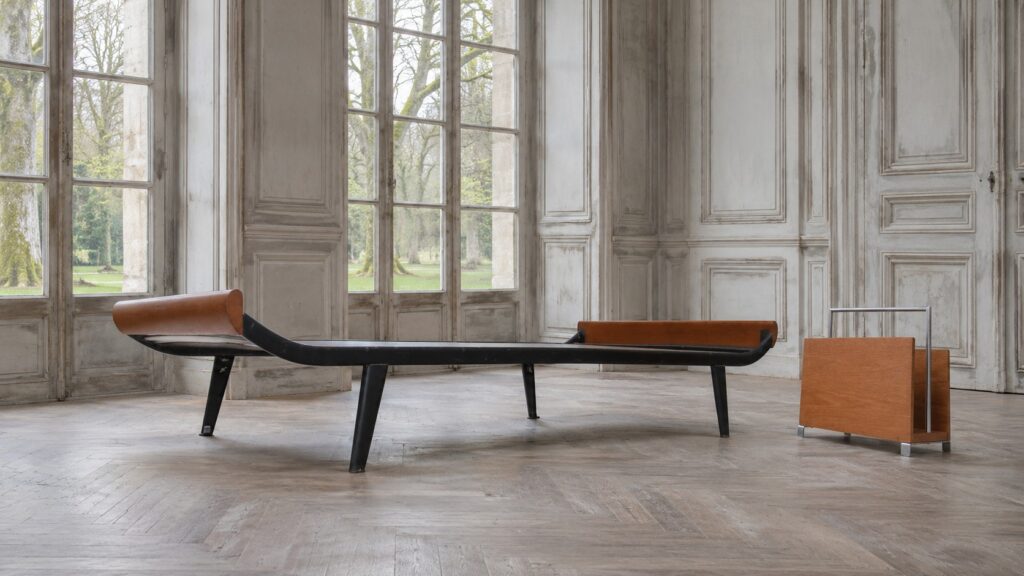 Mid-centuryMid-century design: timeless, warm and still modern
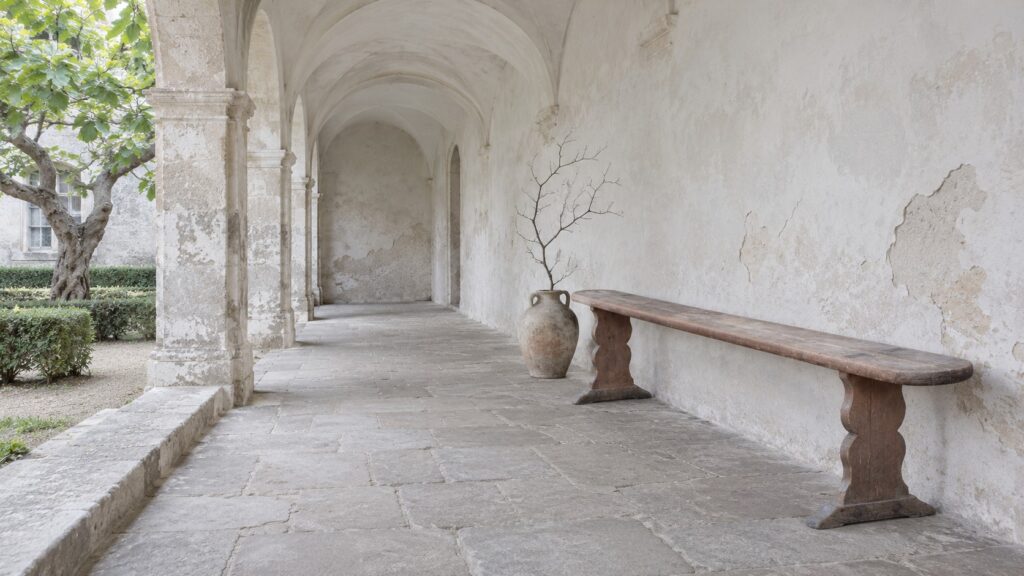 Wabi-sabiWhat is wabi-sabi living, and why does imperfection make an interior more beautiful?